
PRACTICAL TRAINING OF FUTURE LIGHT INDUSTRY SPECIALISTS
As part of training future specialists in the G15/182 “Light Industry Technologies” field, practical training plays an important role, as it provides professional experience and helps consolidate the knowledge acquired during theoretical studies.
From February 9 to March 7, 2026, students of the Department of Fashion and Style enrolled in the first (bachelor’s) and second (master’s) levels of the educational programs “Modeling, Design, and Artistic Decoration of Light Industry Products” and “Design and Technologies of Garment Products” completed their educational, industrial, and research internships.
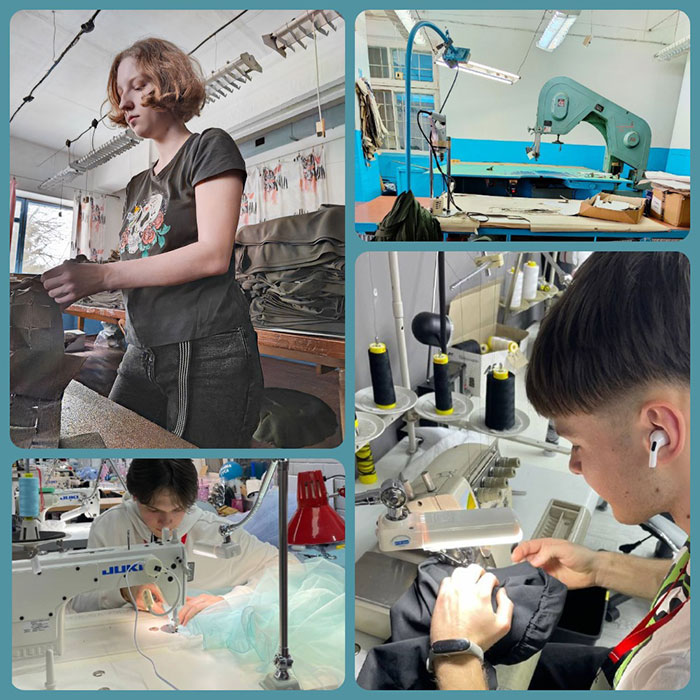
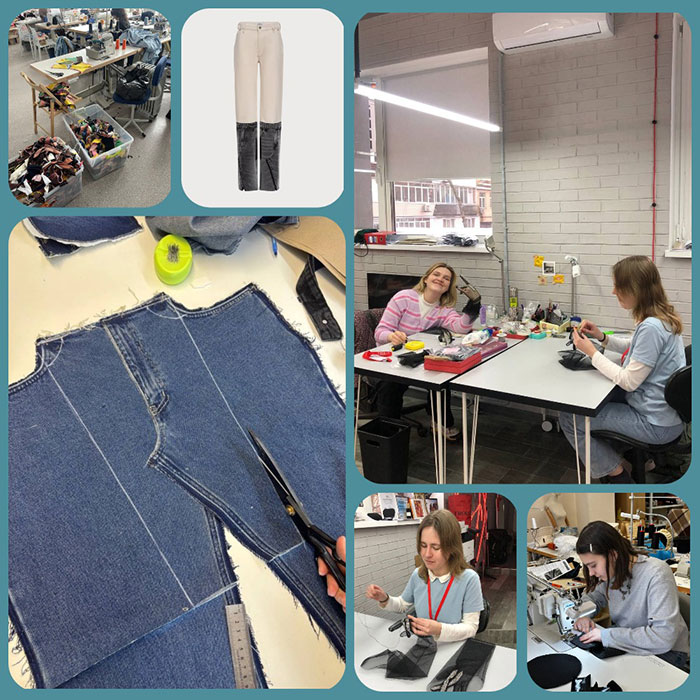
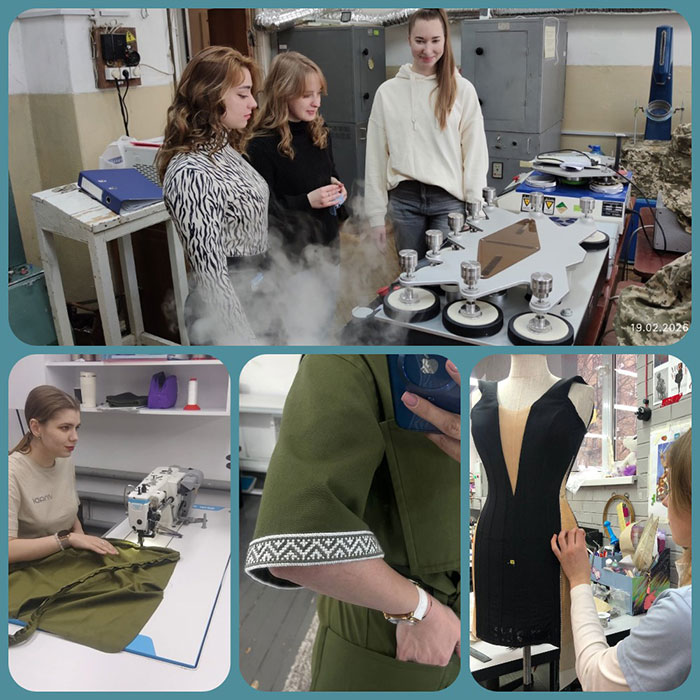
First-year students of the first (bachelor’s) level completed their practical training at the university, where they became familiar with the basics of garment manufacturing. Under the guidance of instructors and experienced laboratory assistants, the students practiced machine stitching and mastered the structural and technological components of garments that form the basis of shaping and functional integrity of any sewn product. Special attention was given to developing professional competencies in working with sewing equipment, mastering technological methods for processing garment parts, as well as maintaining quality and precision in performing operations.
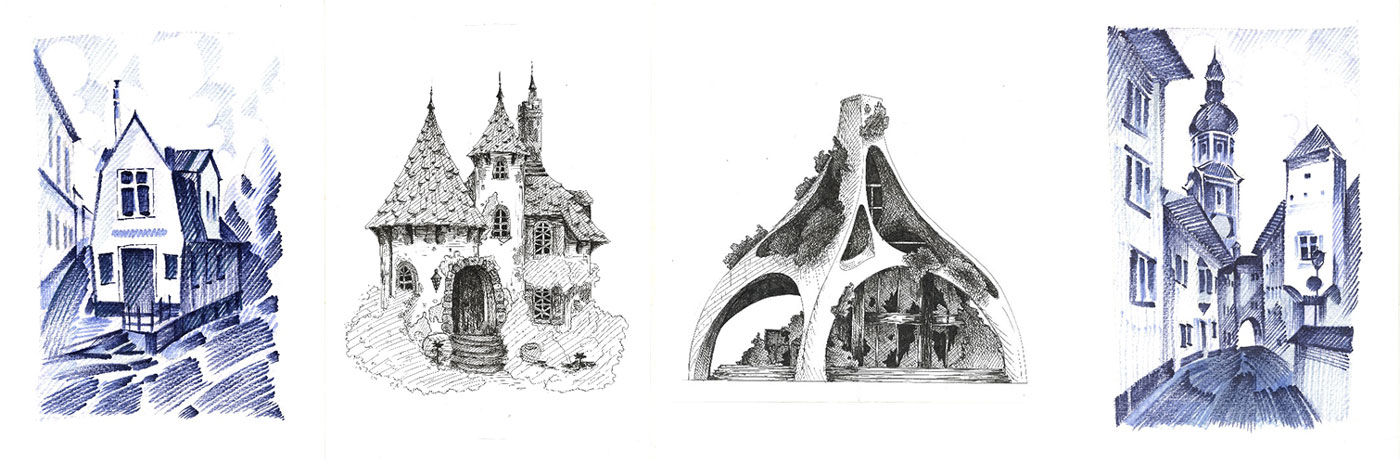
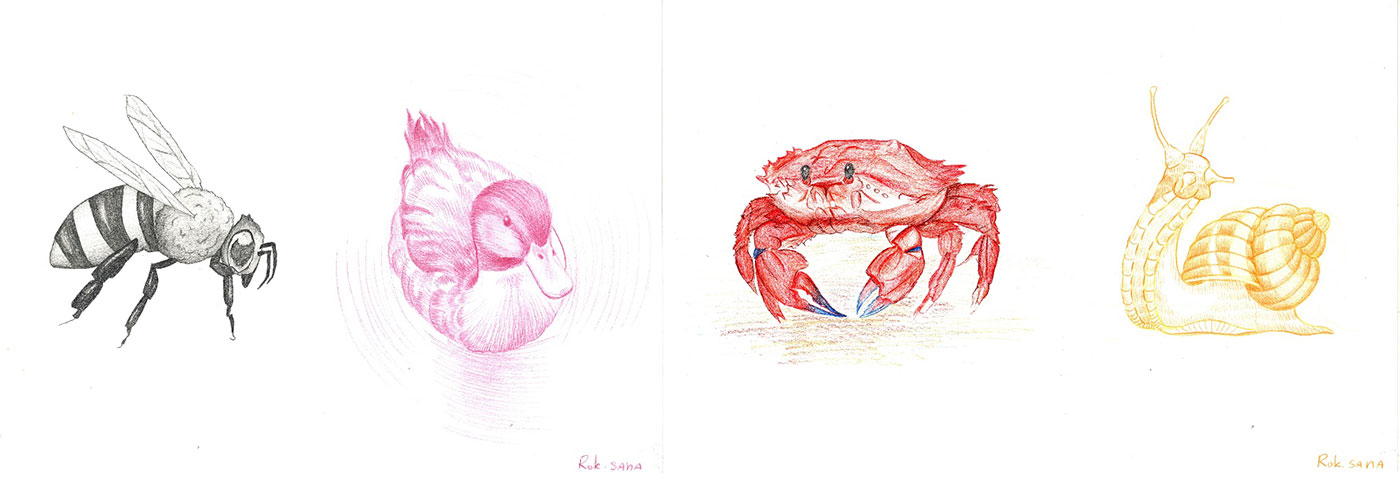
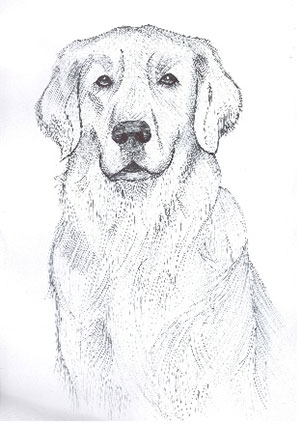
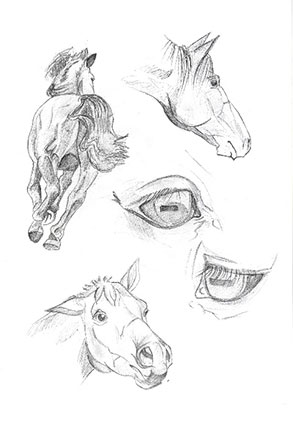
Alongside the technological component of practical training, the students completed graphic assignments aimed at developing artistic and design competencies. The work involved creating drawings using various artistic techniques. The results obtained contribute to the development of creative thinking and provide a foundation for further artistic and design activities in the field of clothing development.



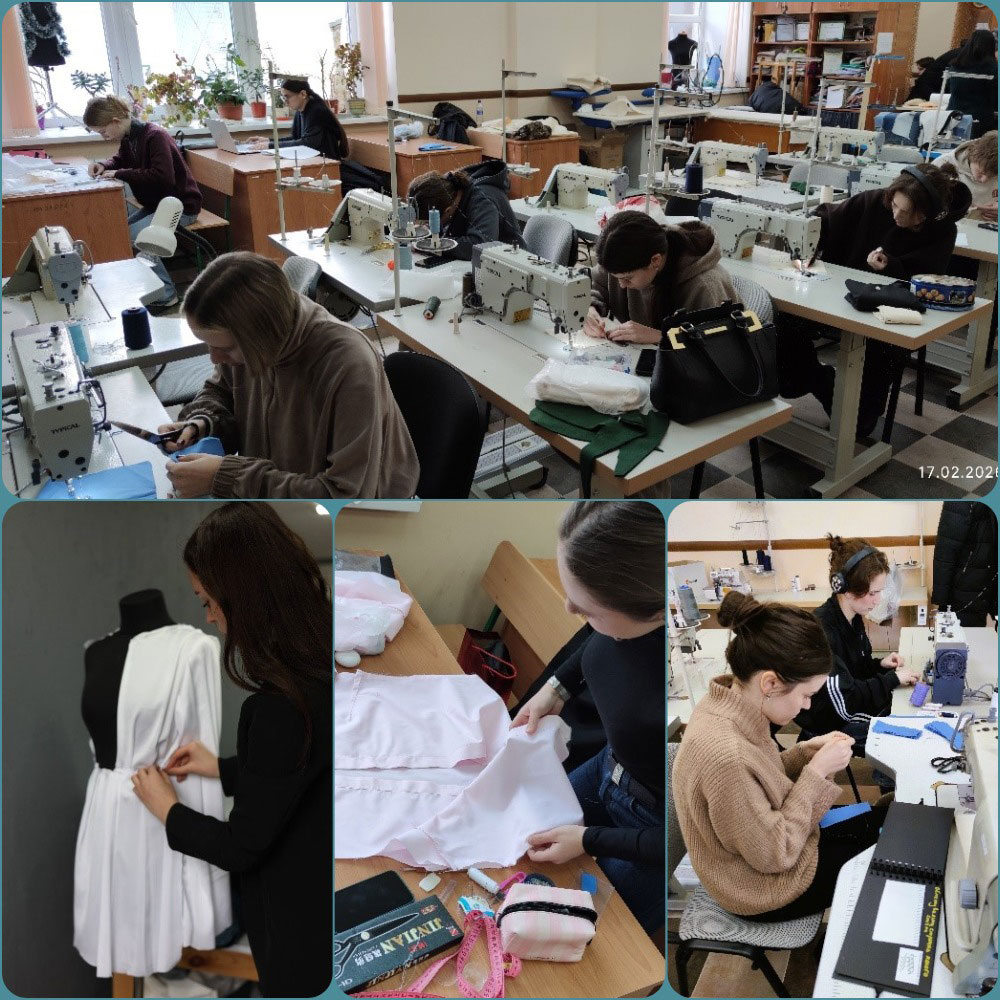
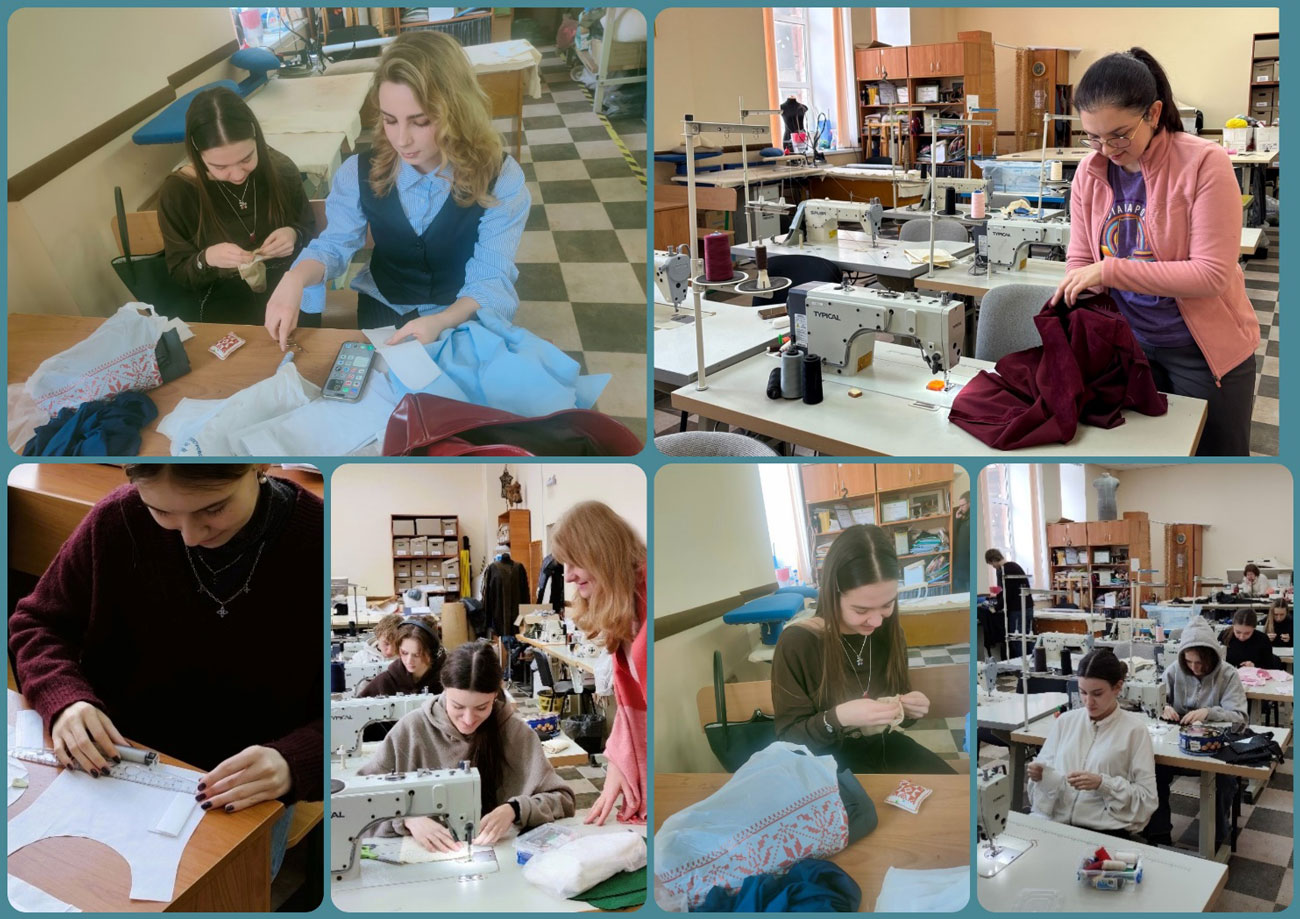
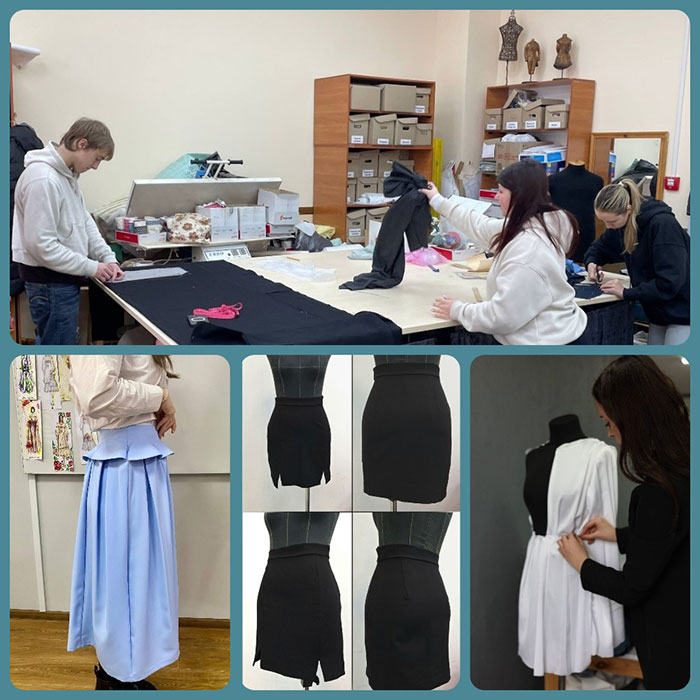
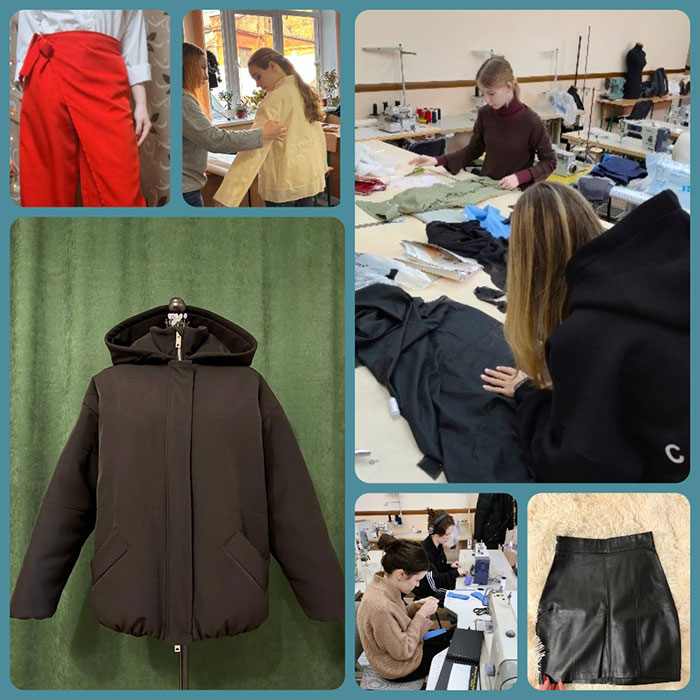
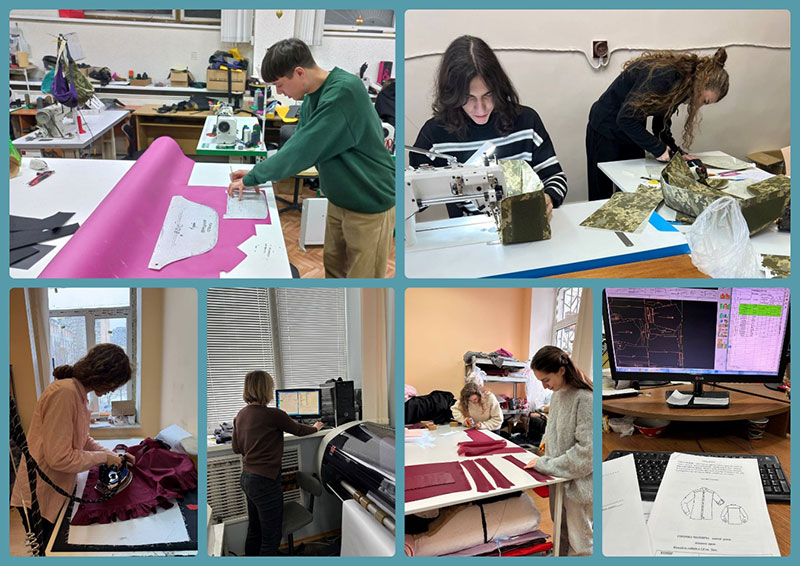
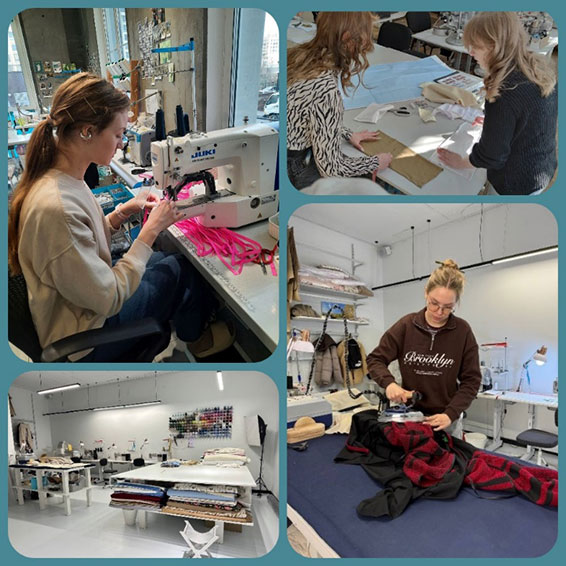
The practical training of second- and third-year students was carried out in the laboratories of the Department of Fashion and Style and at manufacturing enterprises, which contributed to the improvement of professional competencies acquired during theoretical studies. As part of the training, students produced waist and shoulder garments, completing the full cycle of technological operations: material preparation, cutting of components, garment sewing, processing of structural and technological elements, and decorative finishing of the completed products. Practical experience with various types of fabrics ensured the consolidation of skills in working with sewing equipment, as well as the development of abilities to carry out quality control of technological operations. This format of training encouraged students to experiment with form, texture, and decoration, fostering their ability to realize their own creative ideas.
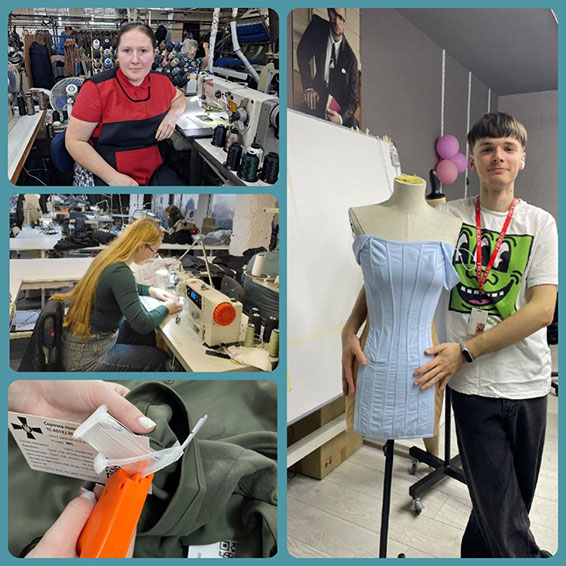
Fourth-year students completed their industrial training at sewing enterprises of various sizes and ownership types, specializing in the production of a wide range of garment products. During the training, the students were involved in different stages of the production process, which allowed them to become familiar with the structure of the enterprises, the principles of production management, the organization of workstations, the equipment used, the specifics of technological process organization, and opportunities for its improvement.
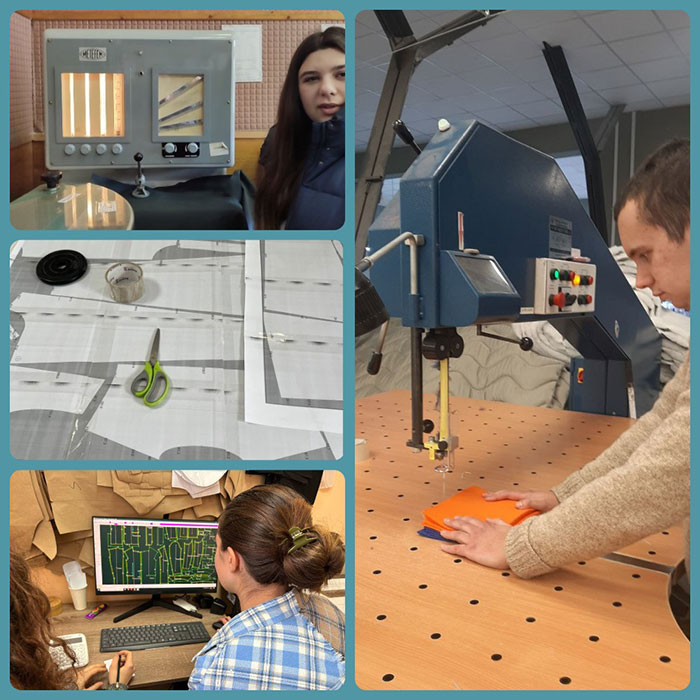
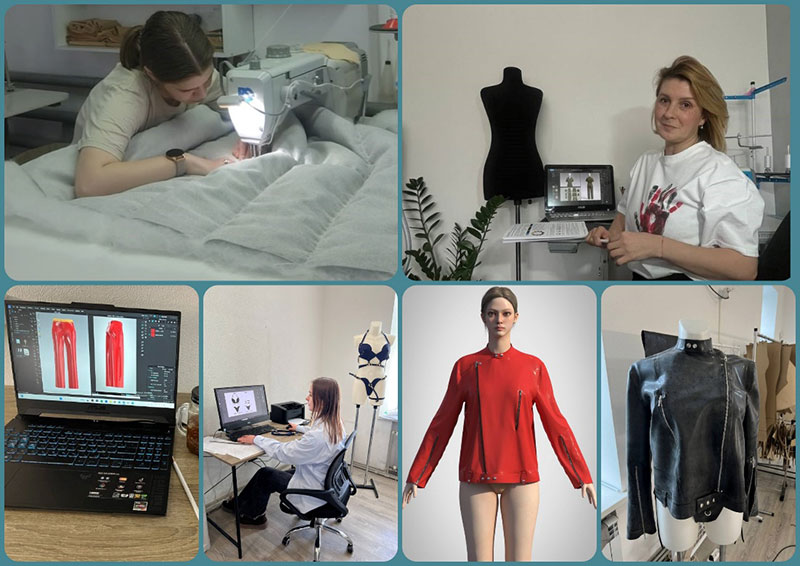
The trainees participated in various technological processes of garment production: from developing design sketches and constructing clothing to taking part in fittings of the first product samples and working in technical control departments. They were involved in tasks related to garment construction and the preparation of production documentation, developed new product models, created patterns, and prepared them for manufacturing launch.
The students worked with modern computer-aided design (CAD) software, in particular creating technical drawings in Corel Draw and Xara, as well as performing garment pattern design, grading, and layout using the Julivi CAD system.
During the practice, the students also completed individual projects that involved developing garment constructions, creating patterns, selecting materials, and producing items for various purposes. In particular, they created experimental models of specialized garments, knitwear, accessories, and other types of light industry products.
Students of the second (master’s) level of higher education undertook research internships, during which they studied technological processes at sewing enterprises, analyzed production organization, and collected materials for their qualification papers. The practice contributed to deepening professional knowledge and developing research competencies in the field of light industry technologies. Future master’s students investigated adaptive clothing constructions, experimented with upcycling and innovative methods of joining garment components, created virtual collections, and adapted traditional patterns for contemporary designs. Some trainees improved technological processes and conducted laboratory testing of materials to ensure high product quality. The results demonstrated the students’ ability to combine scientific research with practical implementation, creating innovative and sustainable solutions for the modern fashion industry.
The students of higher education demonstrated a high level of training, diligence, and perseverance, which was recognized by the management of the training bases and confirmed by offers for their future employment. At the same time, the students positively evaluated the organization of practical training, highlighting the opportunity to gain valuable professional experience and apply the knowledge acquired in real-world conditions. The vast majority of students regard the practice as an important, meaningful, and motivating stage in their professional development.
We sincerely thank the management of the enterprises LLC “TK-Domashniy Tekstil,” LLC “FROLOV HART,” LLC “Surikat UEI,” LLC “TK-PROFITEX,” LLC “Schneider Enterprise,” LLC “Created in Ukraine,” LLC “Ukrtextile,” and LLC “COR Apparel” for their support, the opportunities provided for practical training, and for familiarizing students with modern technologies in the garment industry.
Collaboration with employers is an important prerequisite for training successful and competitive professionals.
09.04.2026