
FACULTY MEMBERS AND STUDENTS FROM THE DEPARTMENT OF PSYCHOLOGY AND CONTINUING PROFESSIONAL EDUCATION PARTICIPATED IN A WORKSHOP ENTITLED “WHEN YOU DON’T HAVE THE STRENGTH FOR OPTIMISM: HOW TO DEAL WITH YOURSELF AND OTHERS”
On October 10, 2026, on World Mental Health Day, an open workshop titled “When You Don’t Have the Strength for Optimism: How to Be with Yourself and with Others” was held, focusing on current issues of psychological exhaustion, emotional self-regulation, and the search for inner resources amid prolonged stress and uncertainty.
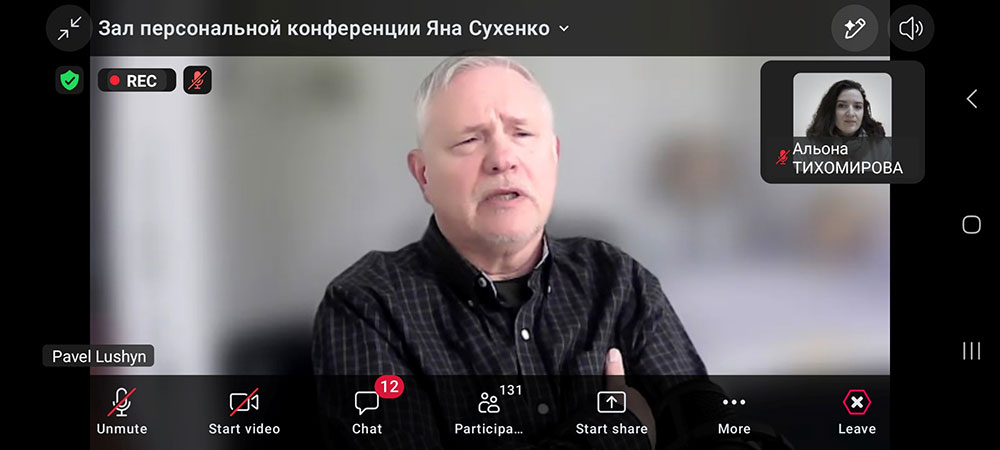
The workshop was led by Pavlo Lushin, Ph.D. in Psychology, professor in the Department of Educational Foundations at Montclair State University (U.S.), author of the Ukrainian modality of psychological assistance “Ecological Psychological Facilitation” (ECPF), and Yana Sukhenko, Candidate of Psychological Sciences, professor in the Department of Psychology and Personal Development at the State Higher Educational Institution “University of Educational Management,” psychologist, lecturer, and ECPF supervisor.
The content of the master class was based on the principles of ecological psychological facilitation, which involve paying close attention to a person’s individual experience, accepting their current state, and creating conditions for the gradual restoration of internal resources. The focus was on the psychological characteristics of experiencing emotional exhaustion, a decline in vitality, and a loss of inner resilience. Particular emphasis was placed on understanding that, in difficult life circumstances, a person does not always have the strength to remain optimistic, remain active, or quickly find solutions. The need for silence, rest, solitude, and a temporary reduction in activity can be a natural reaction to prolonged psychological stress.
An important topic was the recognition of the role of bodily sensations in the process of psychological self-regulation. Attention was focused on the importance of pauses, breathing, body awareness, and the ability to notice even subtle changes in one’s emotional state. This approach allows us to view psychological recovery not as a constant struggle against oneself, but as a gradual process that requires time, acceptance, and a caring attitude toward one’s own capabilities.
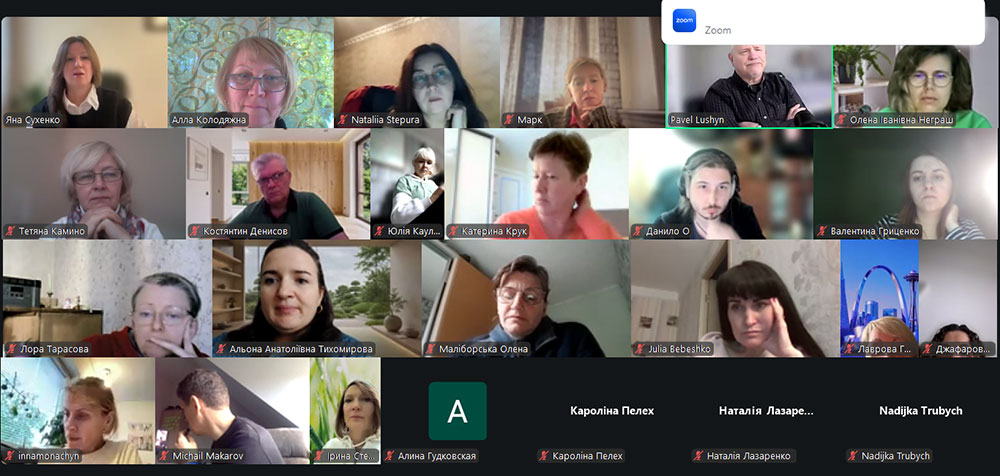
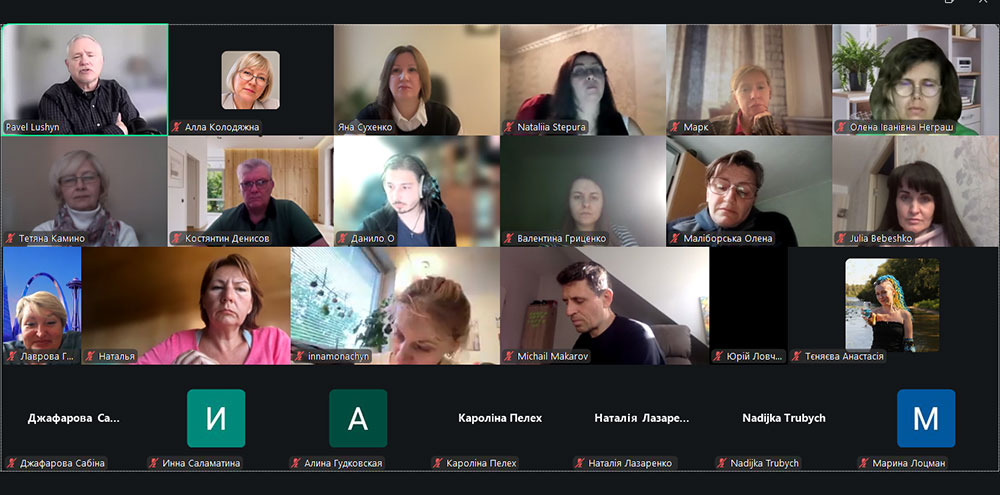
The event was attended by faculty and staff from the Department of Psychology and Continuing Professional Education at Kyiv National University of Technologies and Design: Nataliia Dobrovolska – Department Chair, Doctor of Psychological Sciences, Associate Professor; Alla Kolodyazhna – Candidate of Psychological Sciences, Associate Professor; Inna Kosyak – Candidate of Pedagogical Sciences, Associate Professor; Alona Tykhomirova – Candidate of Psychological Sciences, Senior Lecturer; as well as students majoring in “Psychology.”
What made this meeting unique was the decision to forego traditional motivational appeals in favor of an atmosphere of psychological acceptance, calm, and support. The key idea was the understanding that even in the absence of tangible positive changes, a person can gradually restore their inner balance, and that small steps and barely noticeable signs of progress are of great importance.
For future psychologists, participating in the workshop provided a valuable opportunity to deepen their professional knowledge regarding psychological support for individuals experiencing emotional exhaustion, to familiarize themselves with approaches to ecological psychological facilitation, and to reflect on the importance of nonjudgmental acceptance, empathy, and respect for each individual’s pace of psychological change. For faculty and researchers, the event served as an opportunity to learn about current approaches to psychological support and to expand the possibilities for applying them in the educational process while training students in the “Psychology” degree program.
The staff of the Department of Psychology and Continuing Professional Education at KNUTD extends its sincere gratitude to Pavlo Lushin and Yana Sukhenko for the informative meeting, their professional expertise, and the opportunity to gain a fresh perspective on the issue of psychological support for individuals in the face of contemporary challenges.
14.10.2026