
Digital Technologies in the Garment Industry: Experience of Participating in the FashionTEX Grant Project
On November 30, a seminar entitled “Digital Technologies in the Garment Industry: Experience of Participating in the FashionTEX Grant Project” was held at the Department of Fashion and Style, Faculty of Fashion and Technologies, Kyiv National University of Technologies and Design (KNUTD). The event was organised as part of the activities of the student research group “Clothing Design Using Digital Technologies”.
The seminar provided a platform for sharing practical experience, exploring modern digital tools for clothing design, and discussing opportunities for international cooperation in the fashion industry.
Students enrolled in the educational programme “Styling, design and artistic finishing of fashion industry products” shared their experiences and professional achievements as participants in the European Union-funded educational grant project “FashionTEX European Academy for Young Designers to Learn Innovative Technologies in Digital Fashion Design,” supported by the Creative Europe programme.
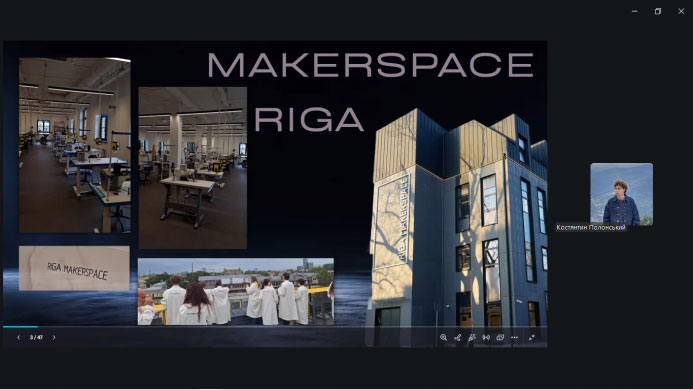
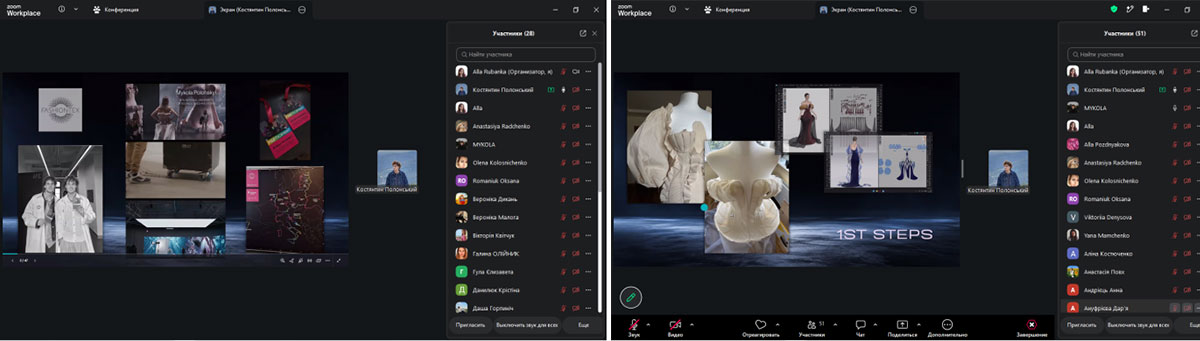
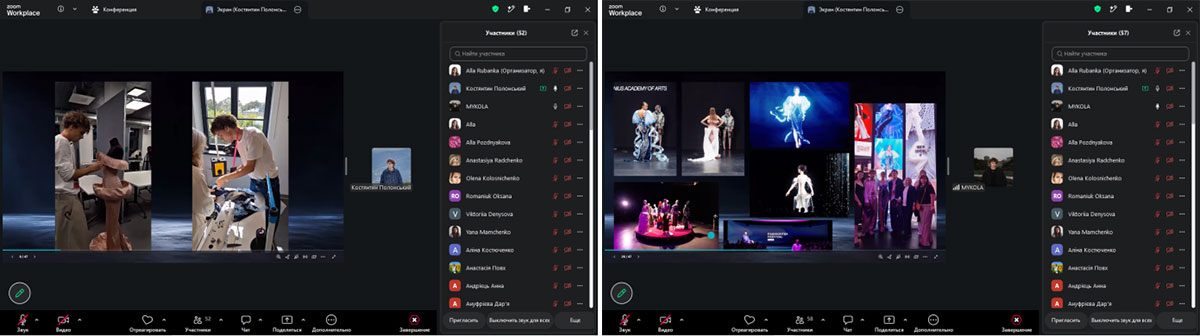
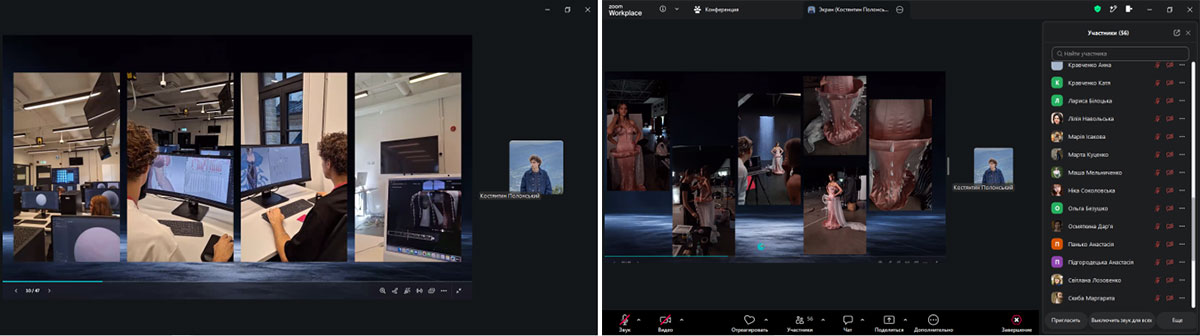
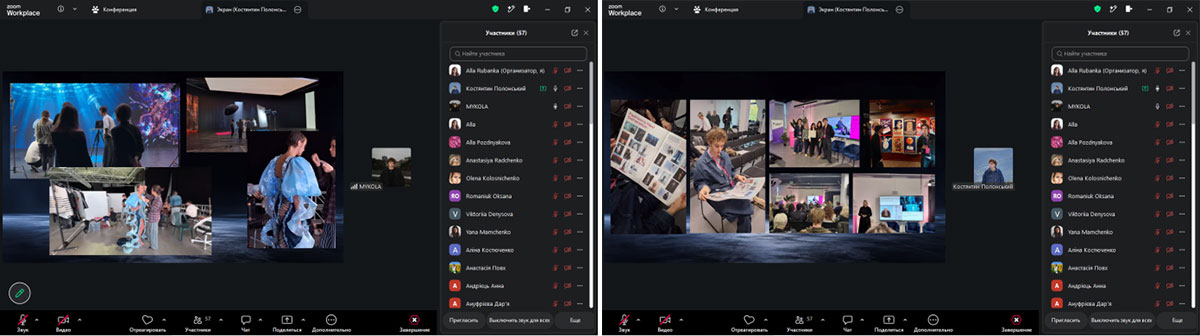
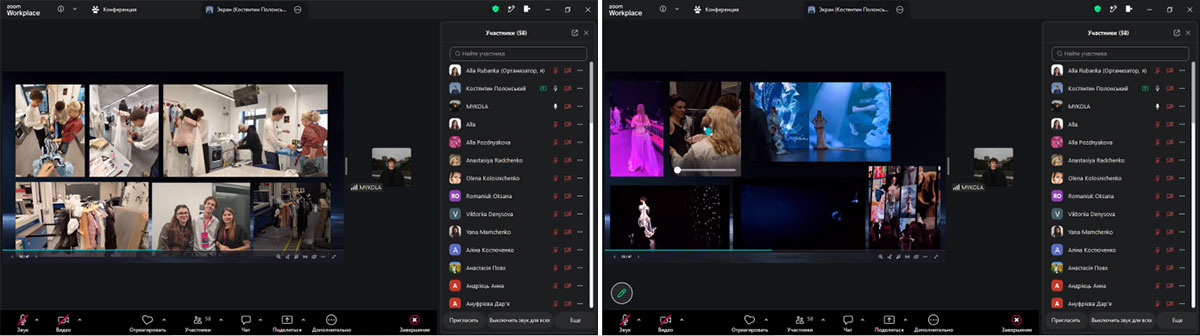
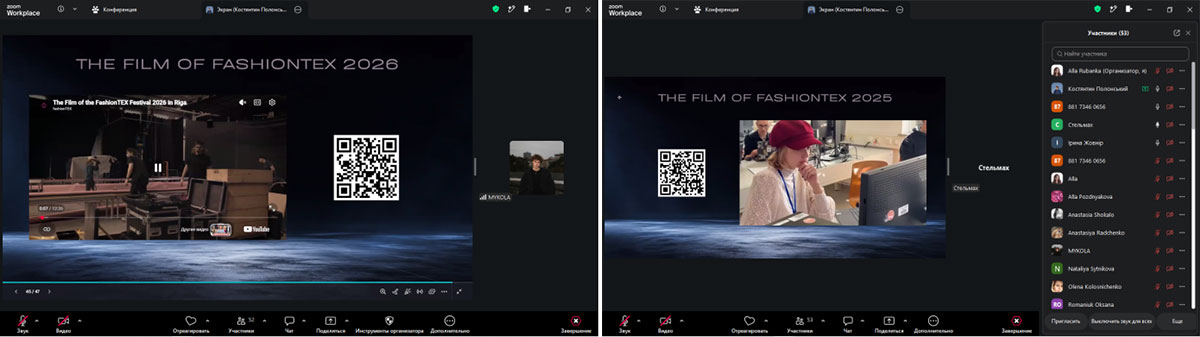
The seminar opened with presentations by Kostiantyn and Mykola Polonskyi, participants in the international Riga MakerSpace 2026 programme. In May 2026, they were selected to represent KNUTD in Riga, Latvia, where a two-week intensive course took place from August 31 to September 12 at the Latvian Academy of Arts, a project partner.
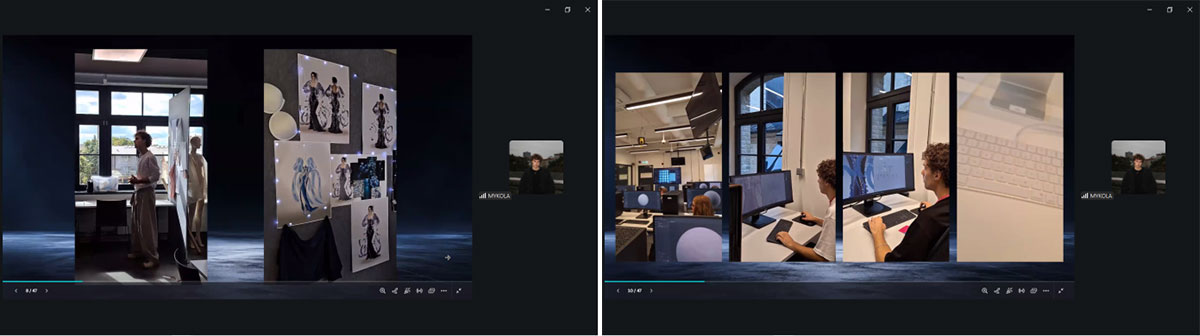
The students spoke about their preparation for the programme, which included weekly online lectures and training in specialised software for digital clothing design, particularly CLO3D, as well as the creation of digital presentations of their designs.
Particular attention was given to their practical experience of working in international teams. The participants shared their impressions of collaborating with students from 11 European countries, as well as lecturers and experts from Latvia, the Netherlands, Germany, and other countries participating in the project.
The main task of the intensive course was to develop a cohesive fashion look combining a physical garment and its digital representation. The participants presented the results of their work at a fashion show held in Riga on October 1, 2026, as part of the FashionTEX Festival. This experience allowed the students to explore how digital technologies expand the possibilities of traditional clothing design, visualisation, and presentation.
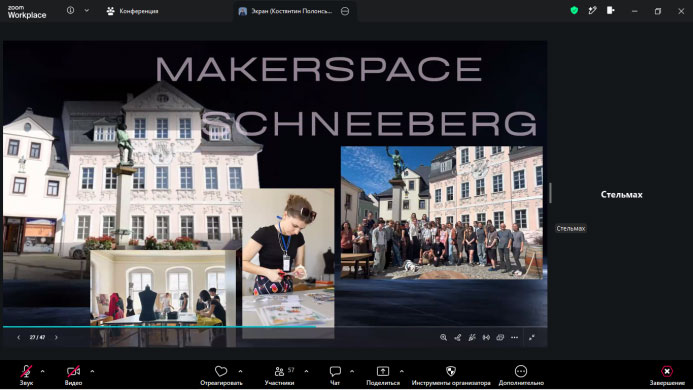
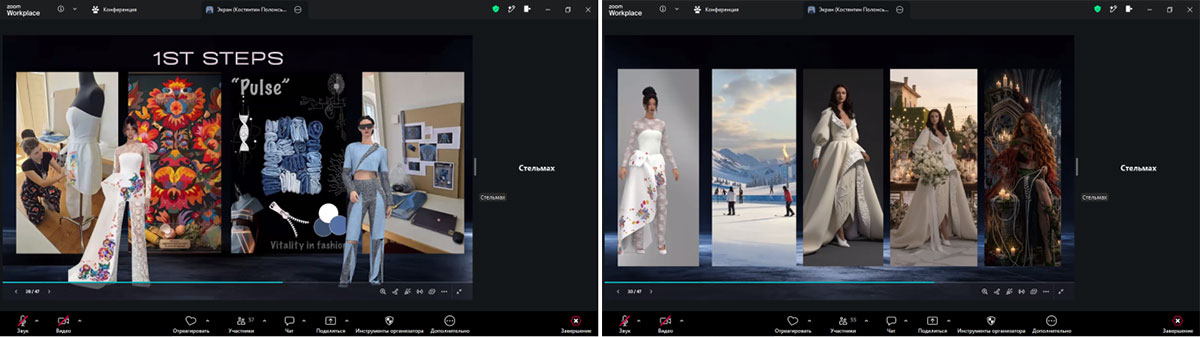
Anastasiia Stelmakh, a participant in the 2025 MakerSpace programme held in Schneeberg, Germany, also joined the discussion. She shared her experience of working on the project, presented the concept behind her design, and described the key stages of its development and implementation.
Anastasiia explained that the presentation of the participants’ designs took place in two stages: the physical fashion show was held in Chemnitz, Germany, as part of the FashionTEX Festival, while the virtual showcase took place in Amsterdam, the Netherlands, as part of the Future Front Row fashion show.
Comparing the programmes in 2025 and 2026, Anastasiia highlighted the more thorough preparation undertaken by both students and organisers ahead of the intensive course. Her presentation demonstrated the importance of continuously developing professional skills, exchanging experience between participants from different years, and refining approaches to the use of digital technologies in fashion design.
The students’ experiences demonstrated that contemporary education for fashion industry professionals requires a combination of creative thinking, knowledge of garment construction and patternmaking, proficiency in digital tools, and the ability to collaborate effectively in an international environment.
More than 60 participants attended the seminar. The event provided an engaging setting for professional dialogue, knowledge sharing, and creative exchange. Participants had the opportunity to explore the practical outcomes of an international educational project, learn about the preparation required for intensive training programmes, and discover the potential applications of digital technologies in professional practice. Particular attention should be given to the high quality and engaging nature of the presentations, which significantly enhanced the audience’s understanding of the material and demonstrated both the high standard of training provided within the grant project and the quality of the students’ completed fashion looks.
The experiences of Kostiantyn, Mykola, and Anastasiia illustrated how participation in international projects contributes to the professional development of emerging designers, the advancement of digital competencies, and the expansion of creative horizons.

Events of this kind are an important component of KNUTD’s educational and research activities, supporting the integration of innovative technologies into the training of future light industry professionals and strengthening links between university education and the international professional community. The FashionTEX grant project provides KNUTD students with opportunities for professional development, the realisation of creative ideas, and exposure to leading practices in digital fashion design, laying the groundwork for innovative solutions in the fashion industry.
Such events inspire KNUTD students to go beyond the classroom, engage in international initiatives, competitions, and creative experimentation, and discover new opportunities for professional growth and career development.
02.11.2026