
WORK OF THE DEPARTMENT OF PHILOLOGY AND TRANSLATION’S STUDENT ACADEMIC CLUBS “THE PROMPT AS A NEW GENRE OF DIGITAL COMMUNICATION: THE LANGUAGE OF HUMAN–AI INTERACTION”
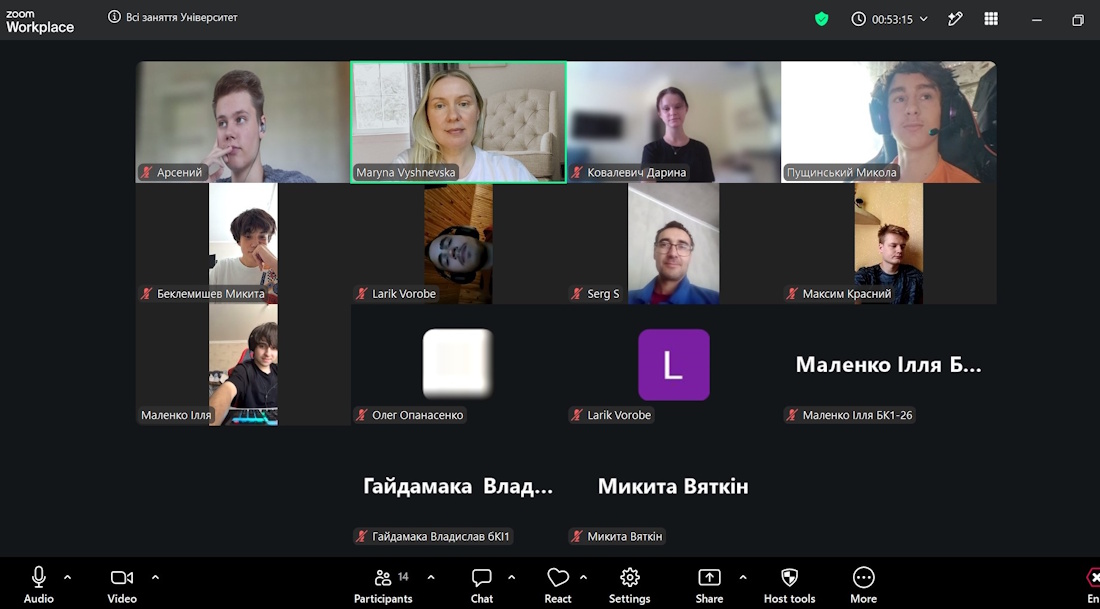
On September 18, 2026, the Department of Philology and Translation held a meeting of the “School of Young Linguists” student academic club. The meeting was dedicated to the topic: “The Prompt as a New Genre of Digital Communication: The Language of Human-AI Interaction.”
The meeting was opened by the club’s supervisor, Associate Professor Maryna Vyshnevska, who emphasised that the rapid spread of generative artificial intelligence has led to the emergence of new forms of digital interaction. One of these is the prompt—a textual request through which users define the purpose, content, structure, and expected outcome of their communication with artificial intelligence.
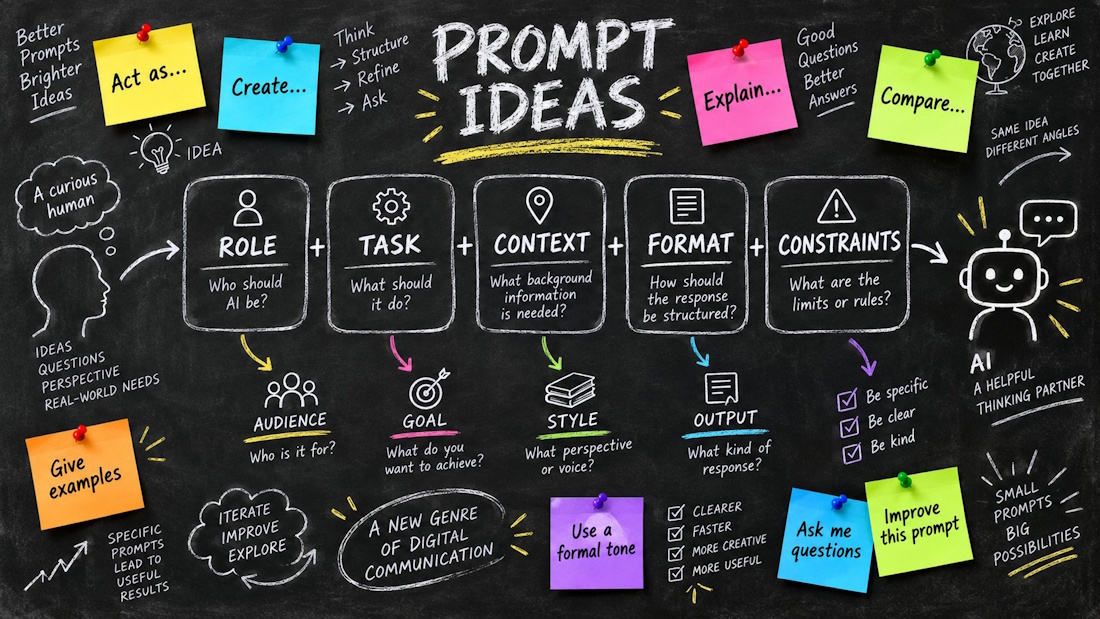
The participants considered the prompt not merely as a technical instruction but as a new genre of digital communication with its own linguistic, structural, and pragmatic features. Particular attention was paid to the following aspects:
- the structure and principal components of an effective prompt;
- the role of context, specificity, and logical consistency in formulating a request;
- linguistic means of defining the purpose, role, audience, format, and style of a response;
- the influence of prompt wording on the accuracy and quality of AI-generated texts;
- communication errors, ambiguity, and methods of refining a request;
- the need to critically evaluate generated results and adhere to the principles of academic integrity.
During the practical part of the meeting, the participants analysed different types of prompts, compared general and detailed requests, and observed how changes in particular linguistic elements affected the content, structure, and stylistic features of AI-generated responses. They also improved poorly formulated requests by adding context, clear instructions, criteria, and constraints.
The participants concluded that an effective prompt is the result of deliberate linguistic construction and requires precision, logical thinking, language competence, and the ability to anticipate the outcome of a communicative interaction. The quality of an AI-generated response largely depends on how clearly the task is formulated, the context is defined, and the criteria for the expected outcome are established.
The meeting took place in an atmosphere of active discussion and contributed to a deeper understanding of new forms of human-AI interaction. The participants noted that the ability to create effective prompts is gradually becoming an essential component of the digital and communicative competence of contemporary philologists and translators.
18.09.2026