On 28 October 2025, in accordance with the Grant Agreement within the framework of the Jean Monnet Erasmus+ module ‘Promoting European Skills and Approaches to a Sustainable Bioeconomy in the Context of Contemporary Challenges in Ukraine’ (PESAB) the Department of Economics of the Kyiv National University of Technologies and Design held a short-term course for students of the Professional College of Arts and Design of KNUTD and students of the Department of Economics, specialising in 051 Economics / C1 Economics and International Economic Relations, on the topic of ‘Green Transformation and Sustainable Bioeconomy’ in a blended format.

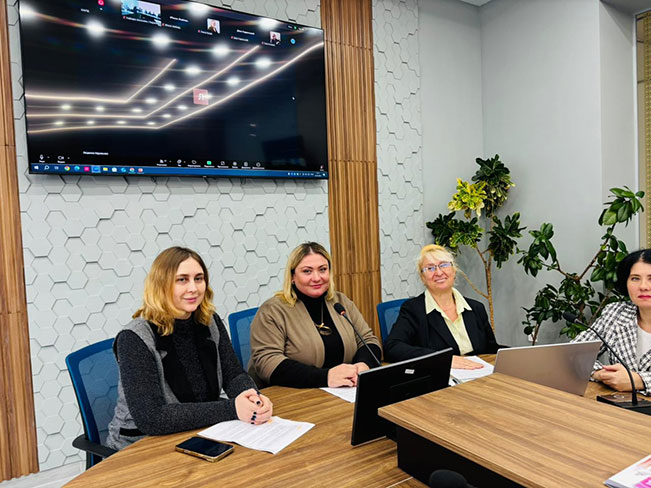
Speaker Svitlana BEBKO, Doctor of Economics, Professor, Professor of Marketing, gave a presentation on «Overview and Prospects of the Ukrainian Renewable Energy Market» and spoke about renewable energy sources as a factor in Ukraine's energy independence. She emphasised the further development of renewable energy sources, which can contribute to the flexibility and sustainability of Ukraine's energy security and significant socio-economic and environmental benefits for the country's post-war reconstruction and European integration.

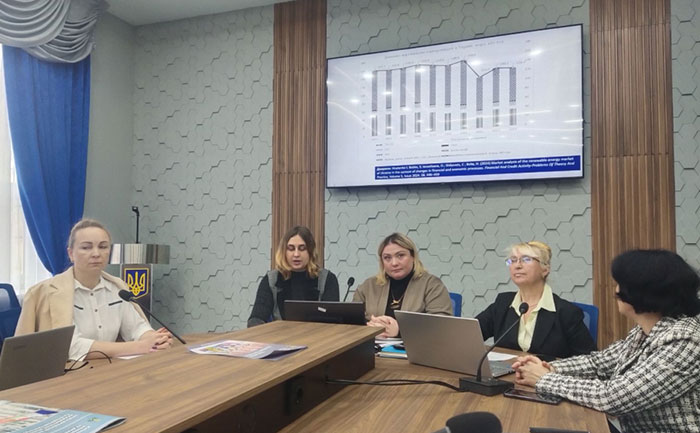
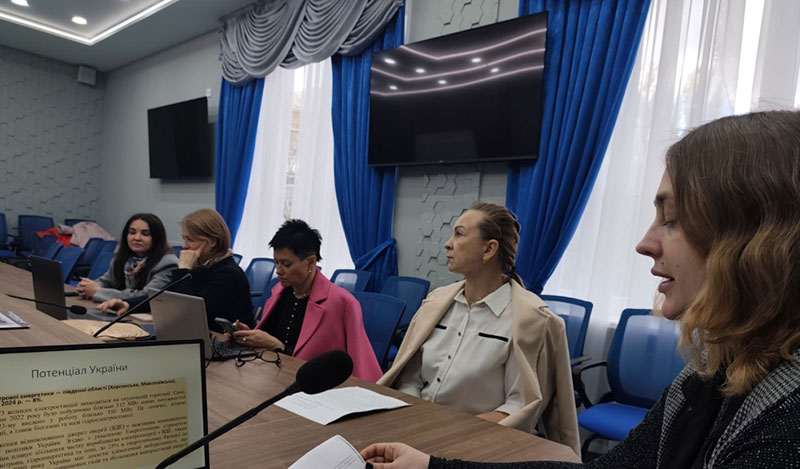
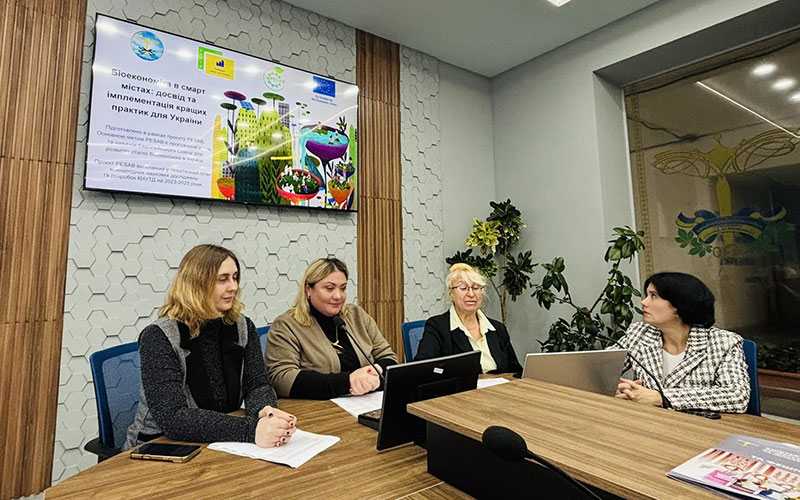
Olena BUDYAKOVA, PhD in Economics, Associate Professor, Associate Professor of the Department of Economics, told the students about bioeconomics in smart cities, namely about the experience and implementation of best practices for Ukraine.

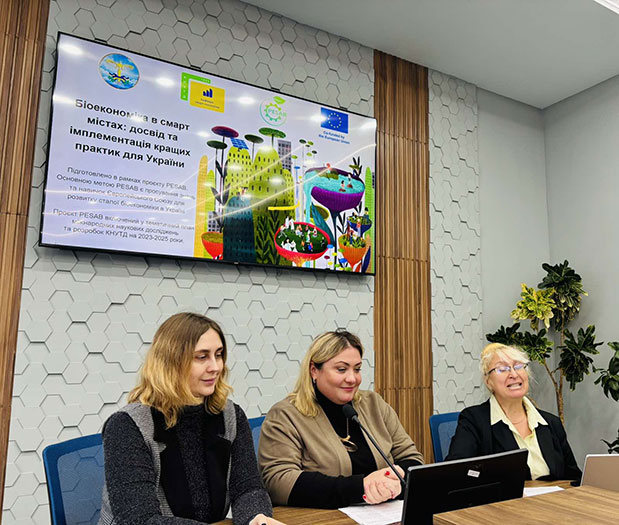
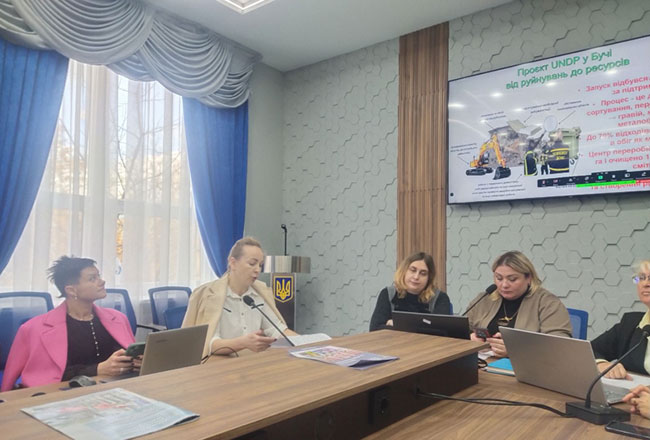
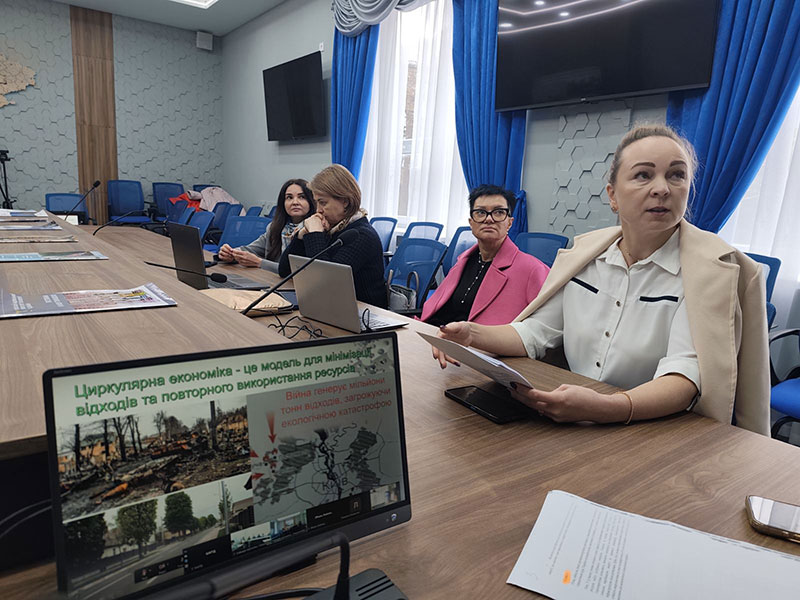
Lyudmila MELNYK, Doctor of Philosophy in Economics, Associate Professor of the Department of Economics, presented a report on «Circular Economy for Waste Management in Wartime» using the example of the Bucha district.

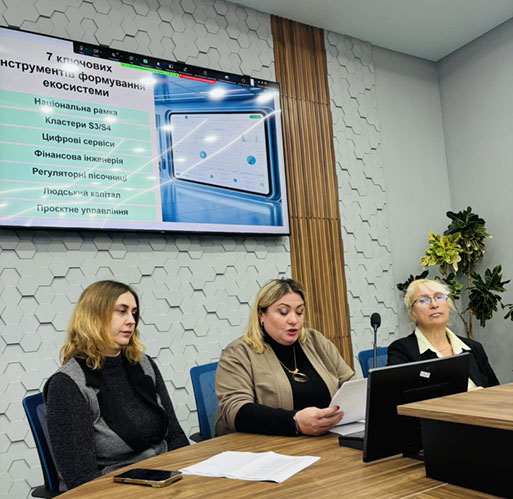
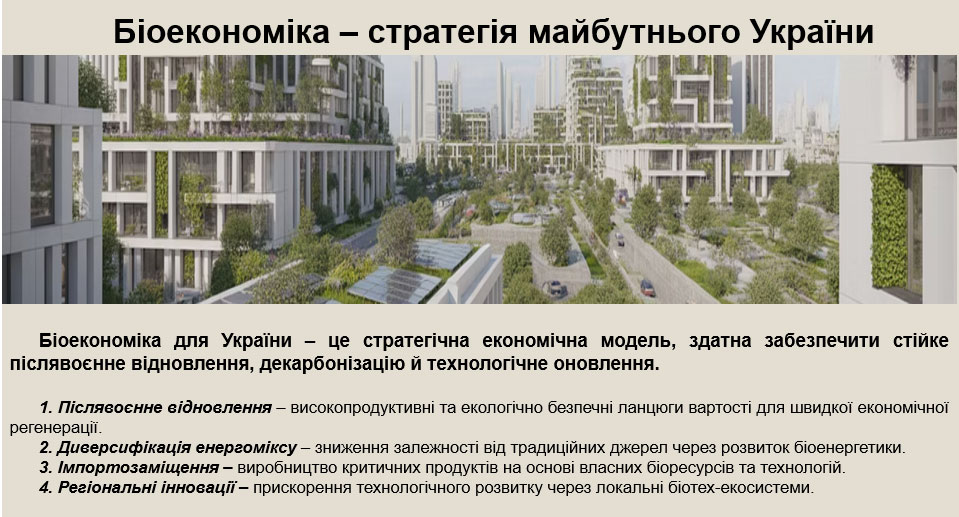
Project coordinator Polina PUZYROVA, Doctor of Economics, Professor, Head of the Department of Economics, presented a report on «Prospects for the formation of Ukraine's economic ecosystem based on bioeconomics», in which she outlined a strategic path to sustainable development through innovation, renewable resources, and technological modernisation. She emphasised that the bioeconomy for Ukraine is a strategic economic model capable of ensuring sustainable post-war recovery, decarbonisation and technological renewal.

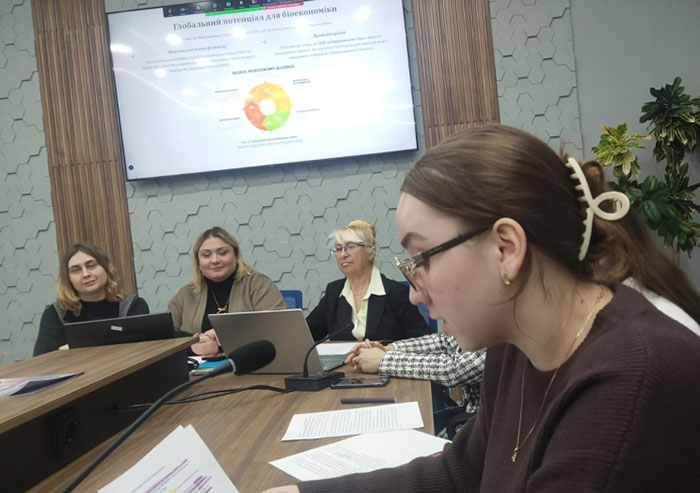
Besides, the short-term course for college and university students was attended by second-level higher education seekers Diana PRYGARSKA, who told everyone about the prospects of introducing bioeconomics in the pharmaceutical industry, and Alina DMITRENKO, who presented a report on «Environmental education and biomonitoring in Ukraine's post-war economy».

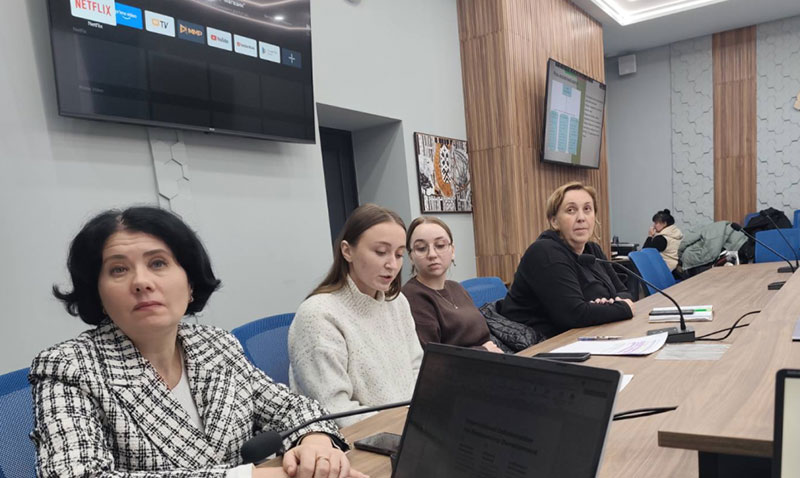
We would like to thank Tetiana VLASІUK, Dean of the Faculty of Economics and Management, Candidate of Economic Sciences, Associate Professor, for her support of our event. She helped organise the short-term course and attracted a wide range of applicants from partner higher education institutions, including our friendly partner, KROK University.
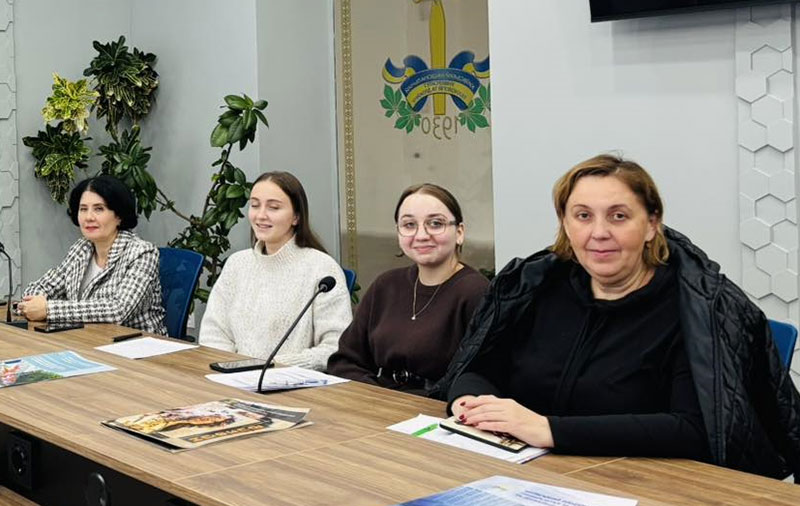
We would like to express our special gratitude to Lyubov Khmelevskaya, Director of the Professional College of Arts and Design at KNUTD, Candidate of Economic Sciences, Professor, for her assistance and support in attracting online students to the college.
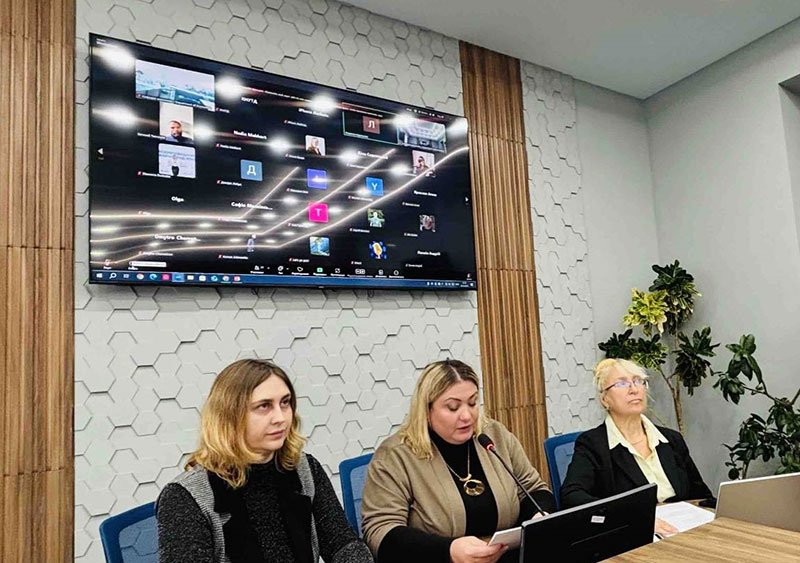
We would like to thank everyone present – Viktoria MARGASOVA, Director of the Office of International and Project Activities at KNUTD, Doctor of Economics, Professor, Honoured Economist of Ukraine; Natalia FASTOVETS, Director of the KNUTD Labour and Career Centre, Candidate of Sciences in Public Administration, Associate Professor; Yevheniia HAUSTOVA, Doctor of Economics, Professor, Professor of the Department of Economics, Mark LEBEDEV, Doctor of Philosophy in Economics, Senior Lecturer at the Department of Economics, and all those present via the ZOOM platform for their active support and implementation of a short-term course for college and university students on «Green Transformation and Sustainable Bioeconomy».

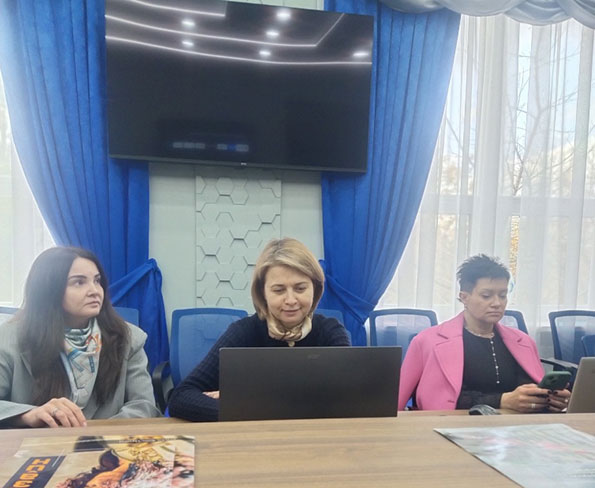
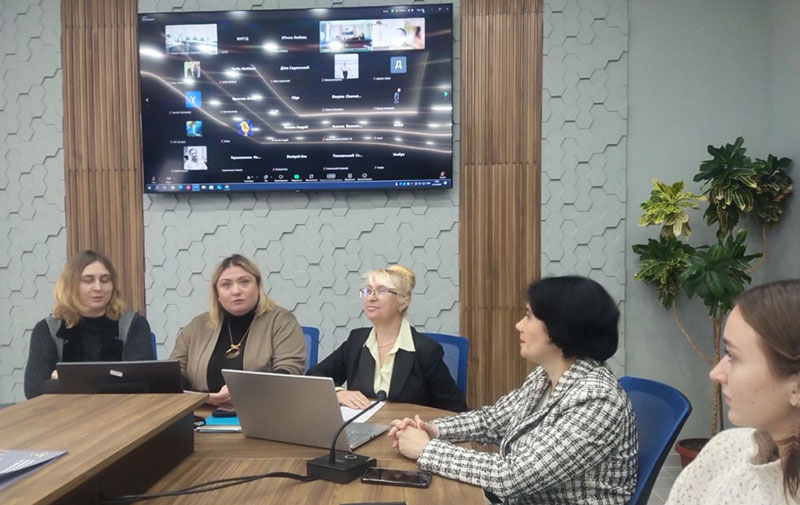
At the end of the event, project coordinator Polina PUZYROVA thanked everyone for a productive day and reiterated the importance and main goal of ERASMUS-JMO-2023-MODULE «Promoting European skills and approaches to a sustainable bioeconomy in the context of contemporary challenges in Ukraine» (PESAB), namely: promoting European Union knowledge for the development of a sustainable bioeconomy in Ukraine and providing students with additional skills in sustainable bioeconomy.
03.11.2025