On October 16, KNUTD held a round table with stakeholders on “Ways to improve educational programs for higher education students majoring in G15 (182) Light Industry Technologies and A5 (015) Professional Education under modern conditions”.
The event was moderated by Natalia Ostapenko, Dean of the Faculty of Arts and Fashion, Doctor of Technical Sciences, Professor. In her opening remarks, Natalia Valentynivna emphasized the need for systematic improvement and modernization of educational programs in order to improve the quality of training specialists and ensure the growth in the number of applicants. She noted that educational programs are relevant and competitive in the educational services market, and graduates are in demand by employers.
Guarantors of educational programs of the first (bachelor’s) level – Victoria Kernesh, PhD, Associate Professor of the Department of Fashion Technology, Larisa Bilotska, PhD, Associate Professor of the Department of Fashion and Style; second (master’s) level – Alla Rubanka, PhD, Associate Professor of the Department of Fashion and Style; Natalia Pervaya, Doctor of Technical Sciences, Professor of the Department of Fashion Technology; Arseniy Arabuli, PhD, Associate Professor of the Department of Fashion and Style; Inna Kosyak, PhD, Associate Professor of the Department of Professional Education in Technology and Design; and third (educational and scientific) levels of higher education – Liudmyla Halavska, Doctor of Technical Sciences, Professor of the Department of Fashion Technology, presented the results of improving the content of educational programs, emphasizing their uniqueness, compliance with modern labor market requirements, and recommendations from stakeholders and accreditation experts. In particular, in most bachelor’s and master’s programs, the number of credits for courses aimed at mastering graphic editors and computer-aided design (CAD) systems has been increased; the list of electives has been expanded, which contributes to the formation of an individual educational trajectory; the proportion of professional disciplines aimed at deepening the professional competencies of students has been increased. The University was also represented at the event by Olha Haranina, Head of the Department of Fashion Technology at KNUTD, Doctor of Technical Sciences, Professor; Alla Semenova, Head of the Department of Professional Education in Technology and Design at KNUTD, Doctor of Pedagogical Sciences, Professor; Tetiana Struminska, Head of the Department of Fashion and Style at KNUTD, PhD, Associate Professor; Maryna Kolosnichenko, Professor at the Department of Fashion and Style at KNUTD; Halyna Oliinyk, Associate Professor at the Department of Fashion and Style at KNUTD.
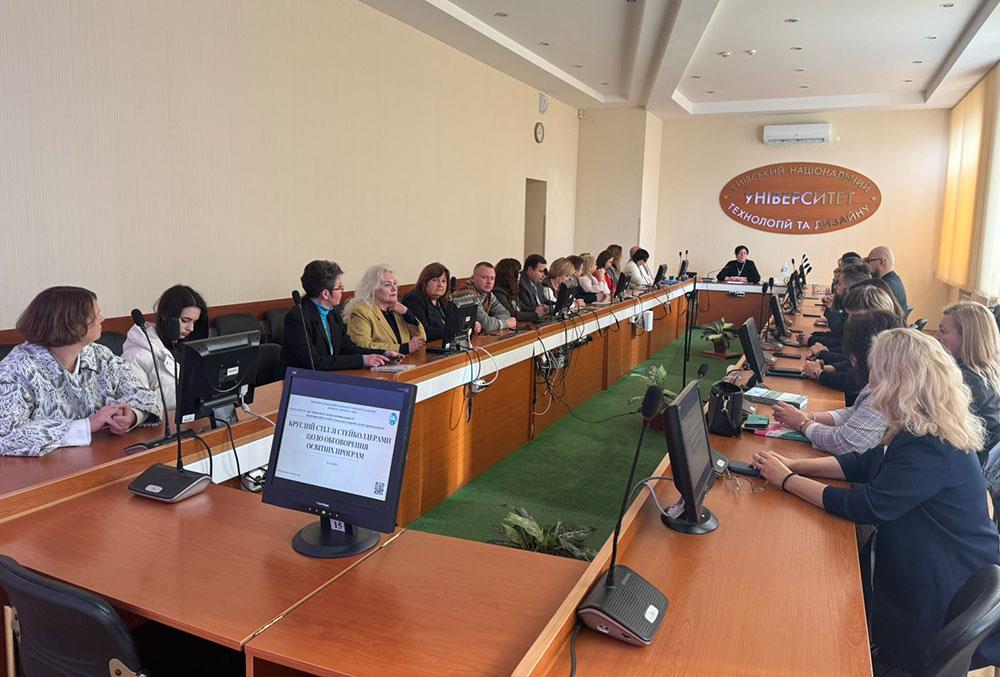
The discussion was attended by stakeholders, including Tetiana Izovit, President and Chairwoman of the Board of the Ukrainian Association of Light Industry Enterprises (Ukrlegprom), PhD in Economics; Golda Vinogradska, President of the National Industry Partnership in Light Industry of Ukraine “Fashion Globus Ukraine”, PhD in Education; Svitlana Titova-Tolstik, Director of the “TK-Style” garment factory; Tetiana Pushkareva, Manager of “Re:inventex”; Taras Prytula, Director of Corporate Social Responsibility at Softorg; Ivan Skorokhod, Marketing Director at Fialan and Prizzi Sewing Machines, Softorg; Dmytro Kalach, Corporate Social Responsibility Manager at Softorg; Liudmyla Ivanova, Director of Dana-Moda LLC, winner of the Boris Paton National Prize of Ukraine, member of the Educational Investment and Technology Cluster of Light Industry; Alexander Bondar, Director of Prime Shoes LLC, PhD; Mykhailo Kucherenko, Director of Surikat LLC; Natalia Aminova, Head of Human Resources at TK-Domashniy Tekstil LLC, member of the Educational Investment and Technology Cluster of Light Industry; Valery Rybas, Director of TK-Furnitura LLC, Barva LLC, member of the Educational Investment and Technology Cluster of Light Industry; Dmitry Lapshin, Deputy Director of the “Rosa” Factory; Denys Devoguts, Technologist at the “Rosa” Knitting Factory; Yulia Hilevych, PhD, Head of the Scientific and Technical Center for Conformity Assessment, Standardization, and Testing of Light Industry Products and Personal Protective Equipment, Ukmetrteststandard State Enterprise; Maksym Barabash, Head of the Department of Mesoscopic Systems Diagnostics at the Technical Center of the National Academy of Sciences of Ukraine, Doctor of Technical Sciences, Professor; Liudmyla Sazanska, Technologist at Reklamnyi Tekstil LLC; Anton Yevenko, Director of Yevenko Sole Proprietorship.
The academic community was also represented at the event by stakeholders, including Hanna Shchutska, Director of the Kyiv Professional College of Applied Sciences, Doctor of Technical Sciences; Tetiana Ivanishena, Dean of the Faculty of Technology and Design at Khmelnytsky National University (KNU), PhD, Associate Professor; Tetiana Nadopta, Head of the Department of Fashion Industry at KNU, PhD, Associate Professor; Svitlana Kuleshova, Head of the Department of Technology and Design of Garments at KNU, Doctor of Technical Sciences, Professor; Yulia Saribekova, Doctor of Technical Sciences, Professor at Kherson National Technical University (KNTU); Iryna Kulish, Head of Postgraduate Studies at KNTU.
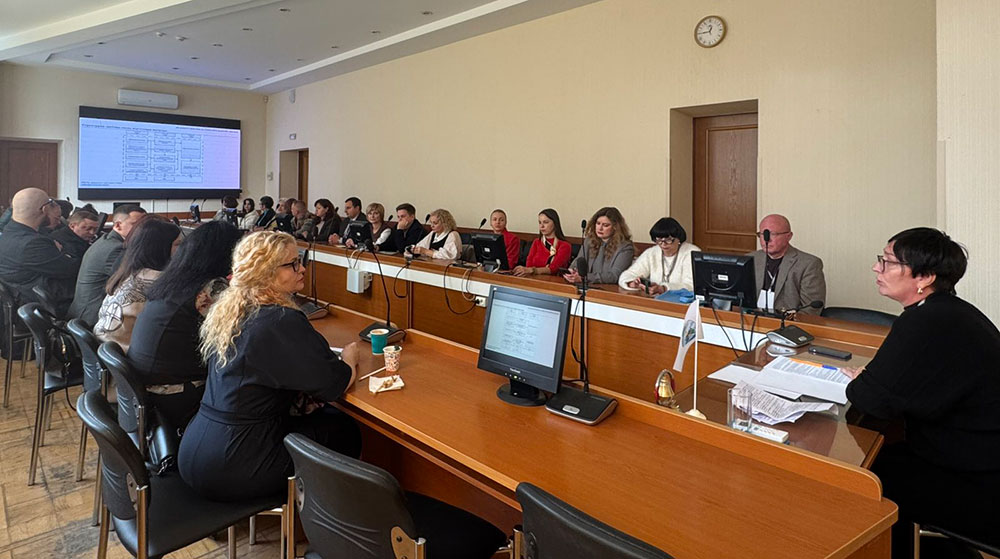
Educational partners shared their experiences in attracting applicants and expanding the student body. Tetiana Ivanishena, Dean of the Faculty of Technology and Design at Khmelnytsky National University, spoke about the institution’s effective cooperation with industrial enterprises in the Khmelnytsky region, in particular with the local Light Industry Cluster. Such interaction not only contributes to the modernization of the University’s material and technical base, but also activates career guidance activities. Business representatives conduct excursions for students and applicants, demonstrate technological processes, and introduce them to modern professions, which forms a realistic idea of their future specialty and increases their motivation to enroll.
Hanna Shchutska, Director of the Kyiv Professional College of Applied Sciences, presented an important social aspect of her work. She highlighted her experience working with internally displaced persons from the occupied territories and initiatives aimed at supporting the families of military personnel. In particular, the college offers special educational courses for family members of military personnel who have lost their hearing, which not only helps them adapt but also motivates them to continue their studies at the college.
Thus, the experience of Ukrainian educational institutions demonstrates that partnerships with industry, social responsibility, and openness to new forms of interaction with the community are effective tools for enhancing the prestige of educational programs and attracting applicants.
During the discussion, business partners emphasized the critical shortage of skilled workers in Ukraine’s light industry. Natalia Aminova (TK-Domashniy Tekstil) spoke about the training project “School of Seamstresses”, which combines practical training with academic knowledge thanks to the participation of KNUTD teachers. Svitlana Titova-Tovstyk (TK-Style) shared her experience of conducting industrial training at the factory and implementing an internal personnel policy to attract and retain employees. Overall, these examples demonstrate that partnerships between education and business are an effective mechanism for overcoming personnel shortages, developing modern competencies, and ensuring the sustainable development of Ukraine’s light industry.
Taras Prytula, Ivan Skorokhodov, and Dmytro Kalach (Softorg) proposed a business-oriented approach to increasing the number of applicants. It is based on conducting marketing research of the target audience to identify its needs, motivations, and pain points, on the basis of which it is possible to optimize the admission campaign and make it more targeted. Among the proposed tools are promoting the specialty by engaging influencers, active presence on social media, and other modern communication channels.
Golda Vinogradska (Fashion Globus Ukraine) emphasized the importance of developing public-private partnerships, which, according to her, should become a key mechanism for modernizing light industry and education. She noted that effective interaction between business, educational institutions, and government institutions allows for the creation of modern educational products, provides students with access to technology, and allows companies to obtain trained specialists focused on practice and innovation. Fashion Globus Ukraine is ready to deepen its cooperation with KNUTD in the form of joint projects, educational initiatives, and competitions that contribute to the formation of competitive personnel for the fashion industry.
Tetiana Izovit (Ukrlegprom Association) drew attention to the challenges facing Ukrainian light industry enterprises today and emphasized the role of universities in overcoming them. She noted that the industry needs a new generation of specialists – technologists, designers, and production managers who have practical skills in working with modern equipment, CAD/CAM systems, and digital platforms. Tetiana Izovit emphasized the need for students to immerse themselves in the real production environment through internships, dual programs, and cooperation with enterprises. She also stressed the importance of developing institutional cooperation between KNUTD and Ukrlegprom in the direction of modernizing educational standards and training competitive personnel.
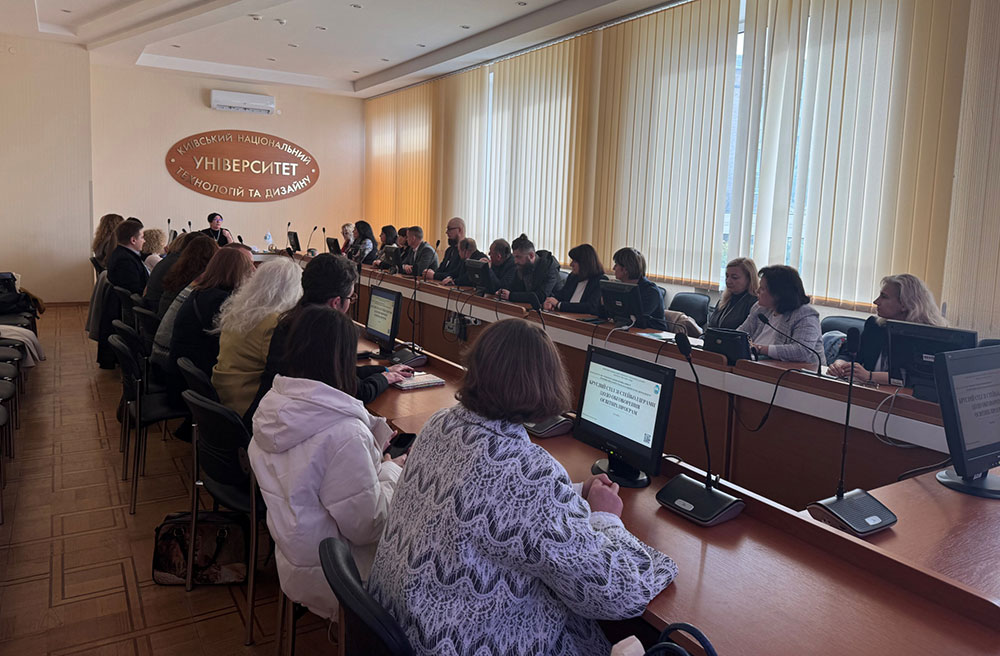
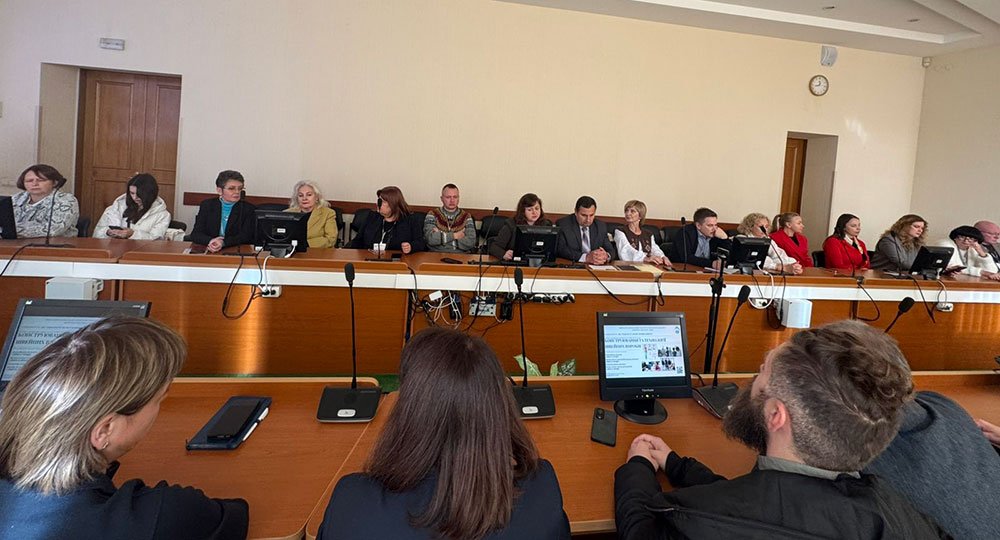
Acting Rector of KNUTD Oleksandra Olshanska joined the discussion, noting that the University, which is celebrating its 95th anniversary, is systematically working to update its educational programs in line with stakeholder expectations and the strategic development of Ukraine’s light industry. She emphasized that KNUTD is strengthening cooperation with business, creating modern laboratories, and introducing technological innovations into the educational process. Oleksandra Olshanska also stressed the importance of such meetings, because it is precisely through lively dialogue with industry representatives that it is possible to respond flexibly to the needs of the labor market, promptly update curricula, and provide practice-oriented training for students. She thanked all the partners for their constructive suggestions and confirmed the University’s readiness for further joint work.
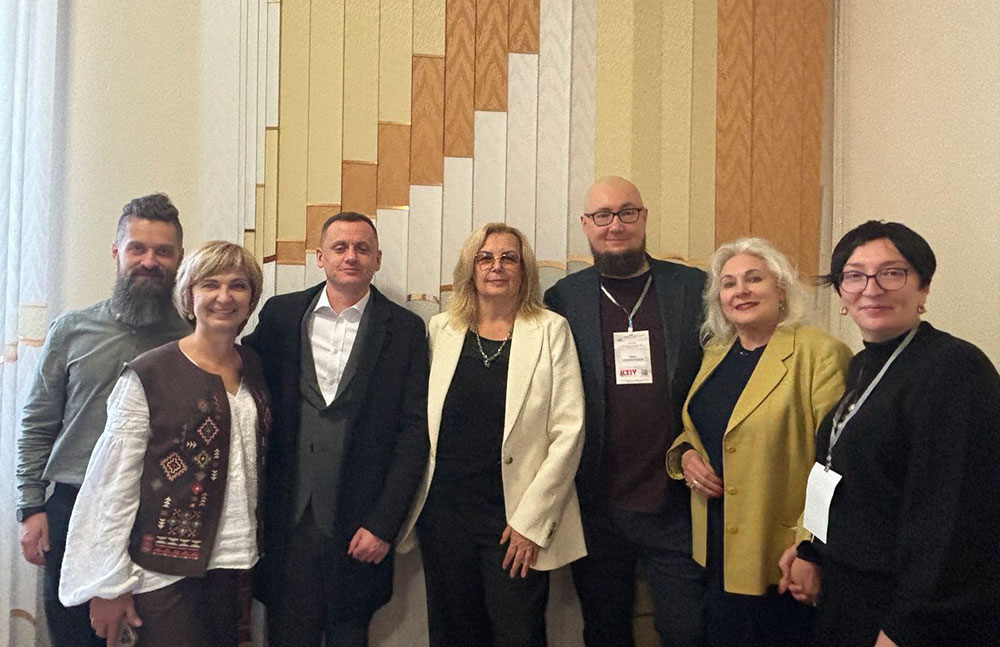
Overall, the event was productive, with discussions centered on the training of future specialists in light industry technologies. After reviewing the educational programs, the stakeholders gave a positive assessment and noted that their previous recommendations had been taken into account.
10.12.2025