At the Department of Philology and Translation, a meeting of 1st–4th year students with the participation of alumni was held, devoted to discussing current issues of the educational process and prospects for professional development.
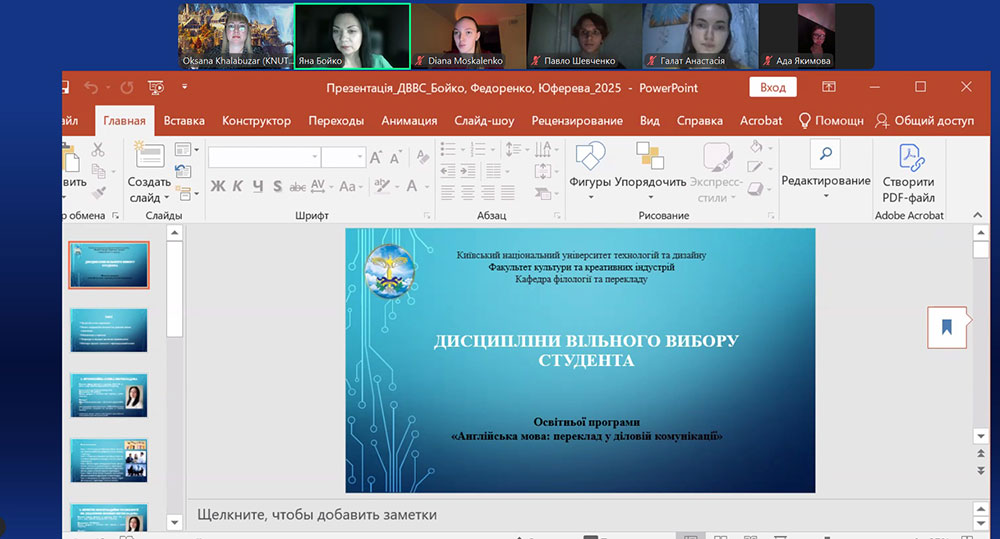
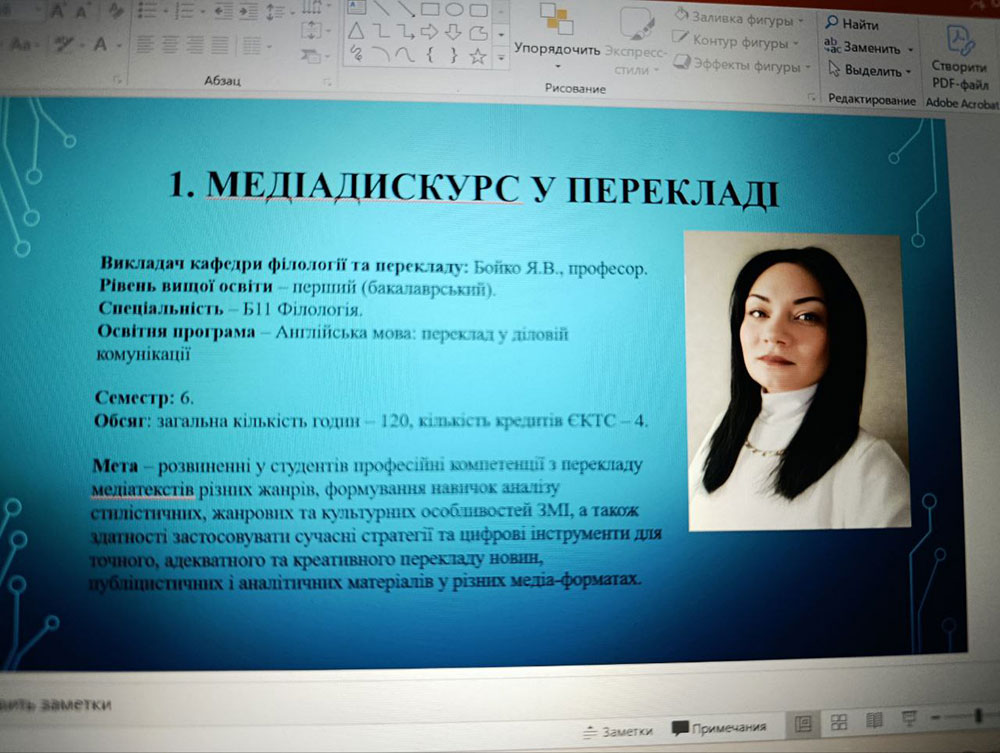
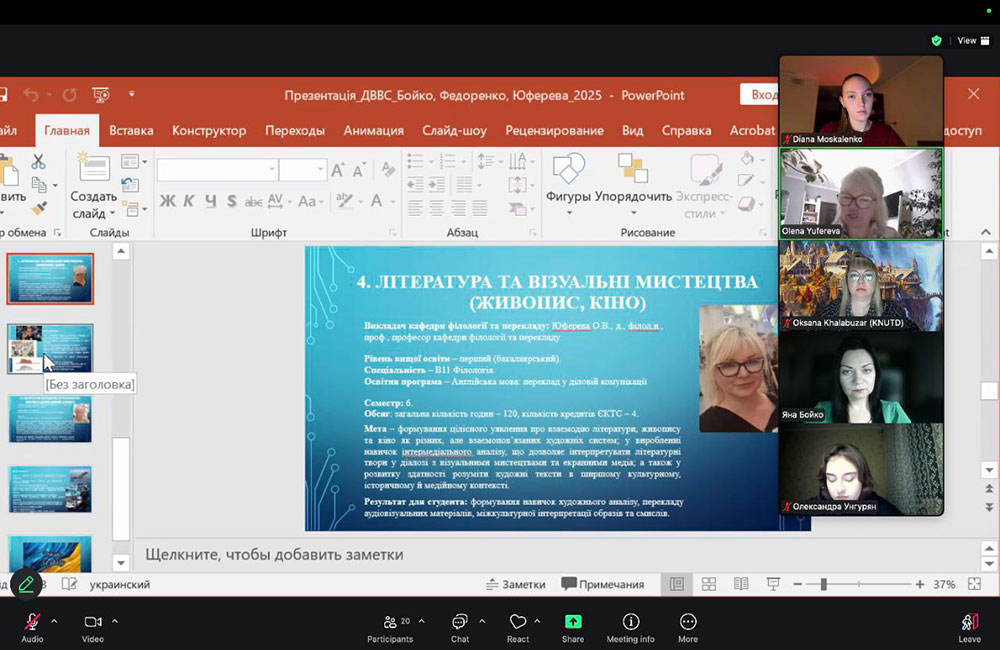
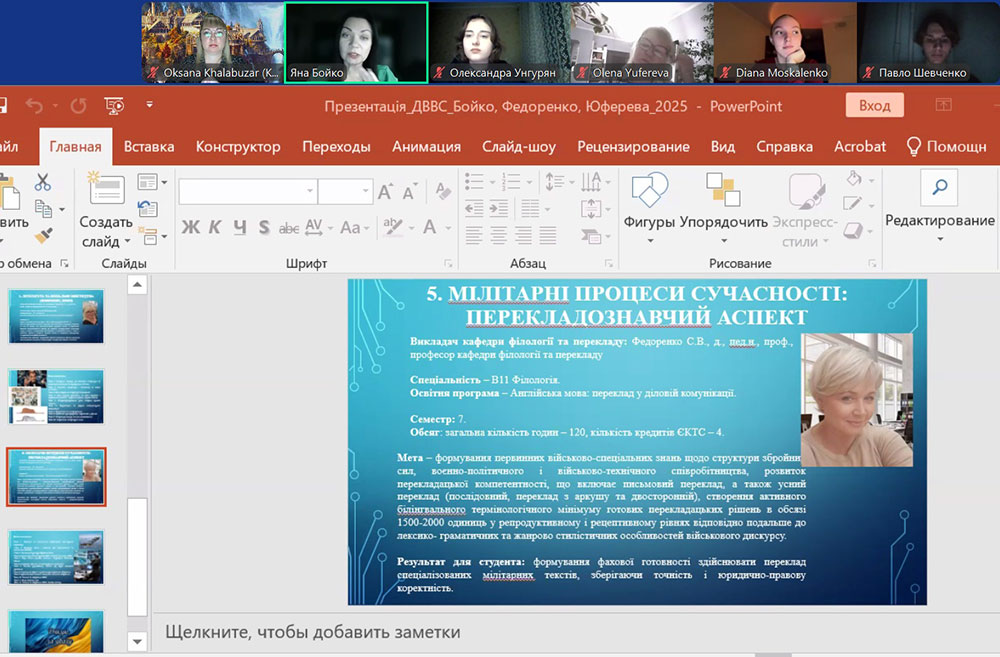
As part of the meeting, a presentation of the department’s elective courses took place, during which students were introduced to the course content, their practical orientation, and the opportunities they provide for developing additional professional and soft skills. Particular attention was paid to the role of elective components in shaping an individual educational trajectory for higher education students.
The following elective courses were presented:
Department alumni Pavlo Shevchenko, Taisiia Lunha, and Yelyzaveta Myroshnychenko shared their practical experience of applying the competencies acquired during their studies in professional contexts. In their presentations, they outlined key requirements of the contemporary labour market, including the need to combine strong linguistic training with proficiency in digital tools, intercultural communication skills, flexibility, and the ability to adapt quickly to professional challenges.
The alumni emphasised the importance of practice-oriented courses that foster the development of translation, communication, and analytical skills, as well as the ability to work with various types of texts and discourses.
During the discussion, promising directions for further improvement of educational components were identified, particularly with regard to a more flexible integration of theoretical content with practice-oriented learning formats, expanded use of applied case studies, project-based tasks, and modern digital tools that correspond to the current demands of the translation profession.
Special attention was drawn to the possibility of optimising the structure of certain educational components in order to more clearly differentiate their content and strengthen the logic of professional competence development, including the separation of the course paper as an independent educational component integrating learning outcomes from related comparative disciplines.
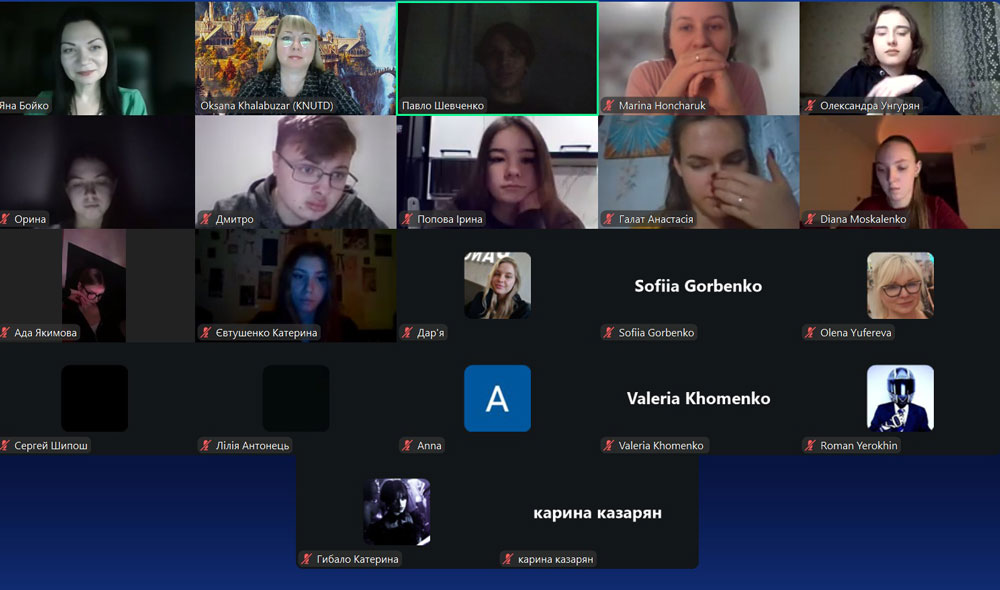
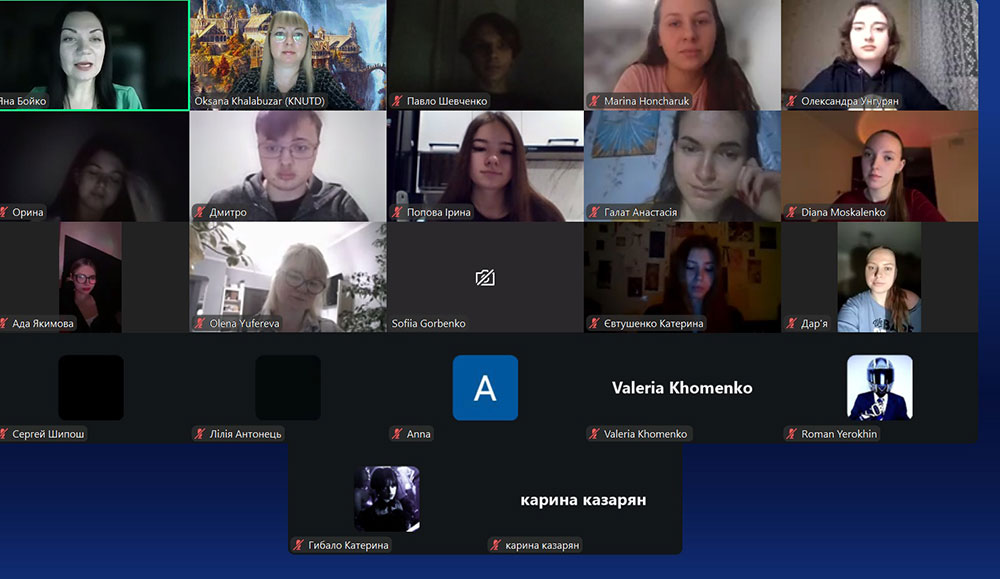
The final stage of the event involved a discussion among students of the strengths and challenges of the educational programme, as well as proposals for its further improvement. Students expressed considerations regarding the relevance of continued study of Latin, given the limited application of the acquired knowledge in contemporary professional translation practice.
Students also proposed considering the introduction, in the second year of study, of an elective course aimed at developing practical skills in working with academic texts, including writing abstracts, research articles, and course papers; processing academic sources; structuring scholarly work; and the ethical and responsible use of digital tools, including artificial intelligence, in the educational process.
Within the discussion, students highlighted the need for a more systematic development of theoretical knowledge of English grammar, particularly through the introduction of basic concepts and terminology in English prior to studying comparative and theoretically oriented courses. It was noted that such a foundation would facilitate a more conscious understanding of comparative grammar and reduce the academic workload in later years of study.
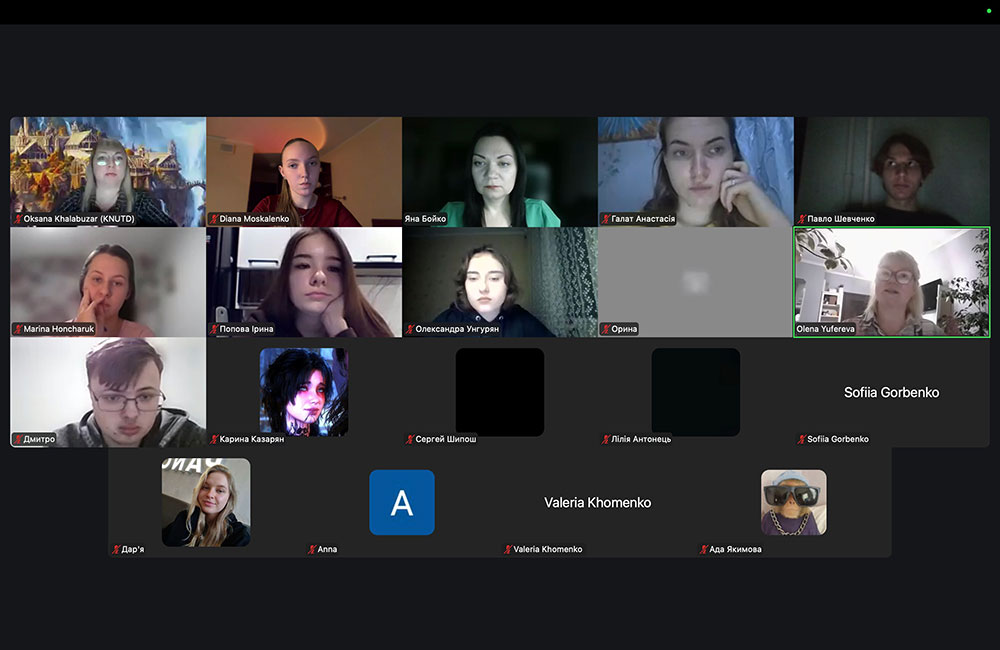
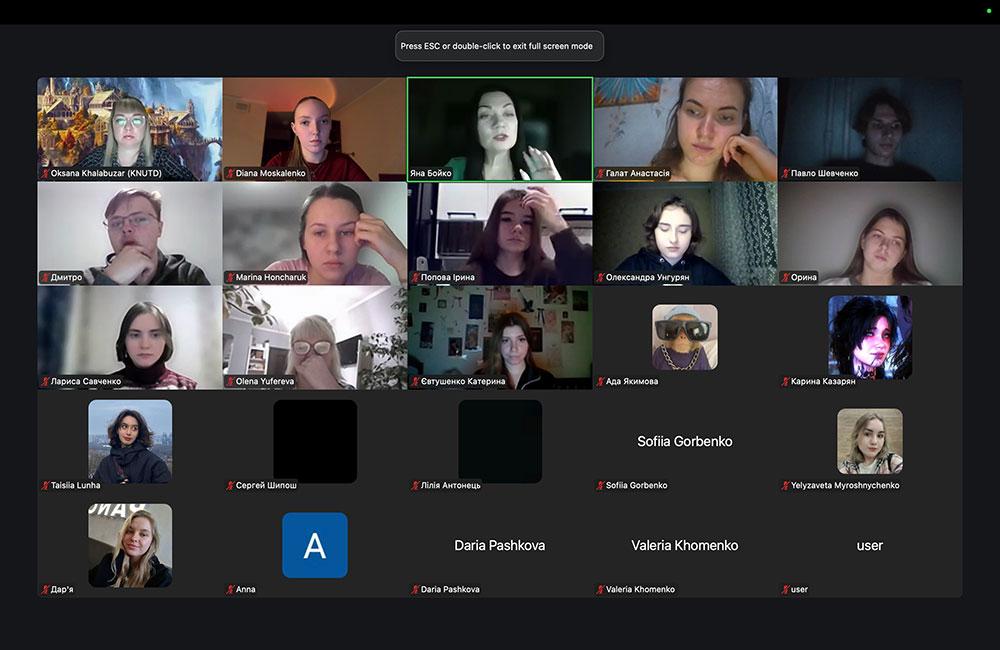
The feedback and recommendations received will be taken into account by the department in the process of further updating the educational programme. Such meetings contribute to establishing effective dialogue between students, alumni, and academic staff, and ensure the continuous enhancement of the quality of the educational process.
12.12.2025