The issue of psychological trauma at the current stage of social development is gaining particular importance. Working with the consequences of traumatic experiences – especially in the context of military operations, forced displacement, loss, and professional burnout – requires methodologically verified, ethically justified and scientifically validated approaches. The ECPF method (Ecological Psychological Facilitation) is an officially recognized method of psychological assistance and psychotherapy, based on the principles of ecological interaction, client subjectivity, procedural dynamics of change, and facilitation support of internal transformations.
On February 14, 2026, Pavlo Lushyn, Doctor of Psychological Sciences, Professor of the Department of Psychology at Montclair University (USA), author of the method “Ecological Psychological Facilitation (ECPF)”, a practicing psychologist with many years of experience, held a masterclass on the topic “Working with Trauma: the ECPF Method” for higher education students majoring in C4/053 “Psychology”.
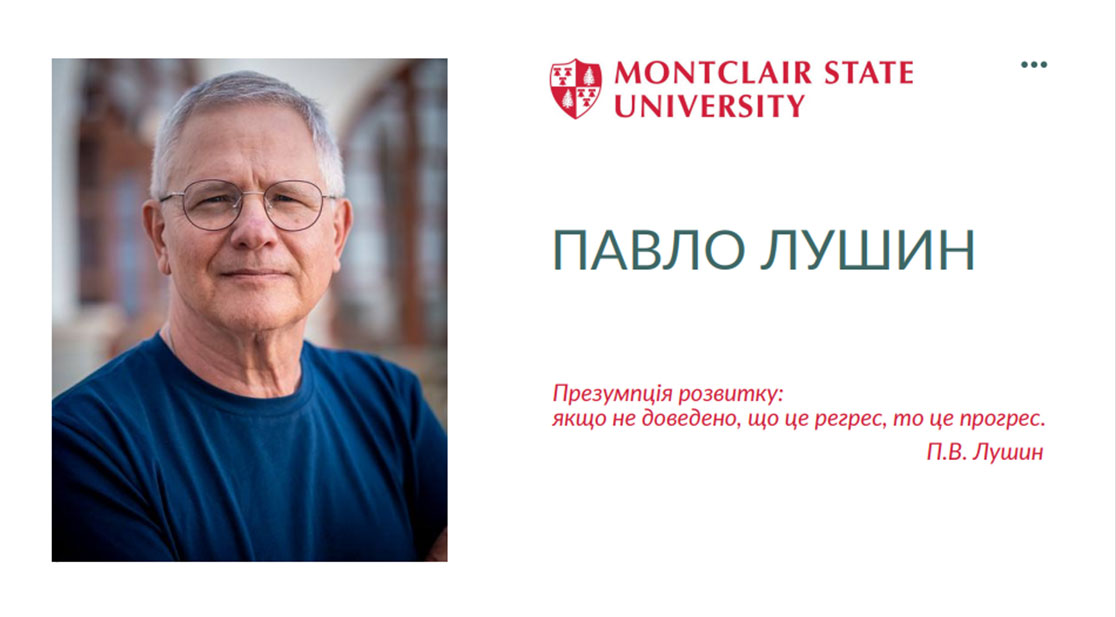
The moderator of the event, which took place in the format of an open consultation using the ECPF method with subsequent professional analysis, was Yana Sukhenko , PhD in Psychology, Associate Professor, Head of the Ukrainian School of Ecological Psychological Facilitation.
In his opening remarks, Professor Pavel Volodymyrovych spoke about ecological psychological facilitation as a living, attentive and deeply human practice of assistance. He emphasized that trauma is not only pain and destruction, but also a turning point from which a new stage of personal growth can begin. Work in the ECPF method takes place in the space of “here and now”, taking into account the entire life context of a person – their relationships, experiences, internal and external circumstances. The focus is not on pressure, not on imposing interpretations, but on a delicate presence nearby and supporting the natural processes of recovery.
The principle of environmentalism was particularly emphasized: moving at a pace that is safe for the client; not forcing experiences to avoid re-traumatization; relying on the person’s existing resources; helping the person gradually restore internal balance and the ability to self-regulate. This approach creates a space of trust in which changes occur naturally and consciously.
Within the framework of the meeting, two open consultations were held with clients who trusted the space of professional support and came with their difficult traumatic experiences. It was a lively, attentive work, without haste and formality. The participants had the opportunity to observe the direct process of consultation in the ECPF method, hear professional explanations and analysis of each stage, as well as ask questions and receive detailed answers.
During the work, the value of deep facilitative listening was especially felt – the kind that gives a person the opportunity to be heard without evaluation. Delicate interaction with the client’s internal contradictions was demonstrated, supporting the living of complex feelings without artificially accelerating the emotional explosion. The idea of “resolving uncertainty” became important – accepting temporary instability as a natural stage of change. The client’s language remained central: it was through it that ecological and safe support was built.
Professor P.V. Lushyn emphasized that in working with trauma, the main thing is not to mechanically get rid of the symptom, but to create conditions in which the human psyche can gradually and naturally rebuild itself, find a new balance and internal support.
After each consultation, there was an open and attentive discussion of the process seen. The analysis was not reduced to technical commenting – it was a joint professional reflection, in which the logic of facilitation interaction was revealed step by step. The participants considered how contact is built and the facilitation process unfolds, how a therapeutic alliance is formed and what signs can be seen that the client is ready for a deeper living of the experience. The criteria for the sustainability of interventions were discussed – what helps to support change, and what may be excessive or premature. Special attention was paid to the risks of interpretative pressure and the importance of professional restraint.
The open consultation format allowed us to see how ethical principles are implemented in live interaction, how theoretical provisions are transformed into specific professional actions. Observation of work with trauma in real time contributed to the formation of professional sensitivity and reflection – understanding not only “what to do”, but also “how to be” with a client in a difficult experience.
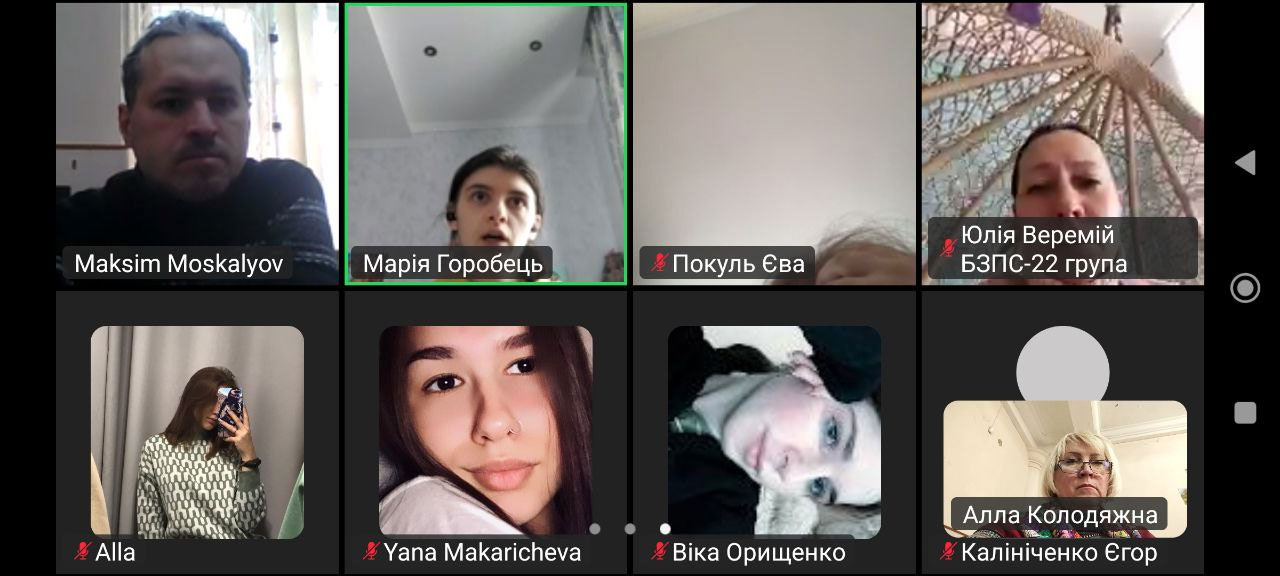
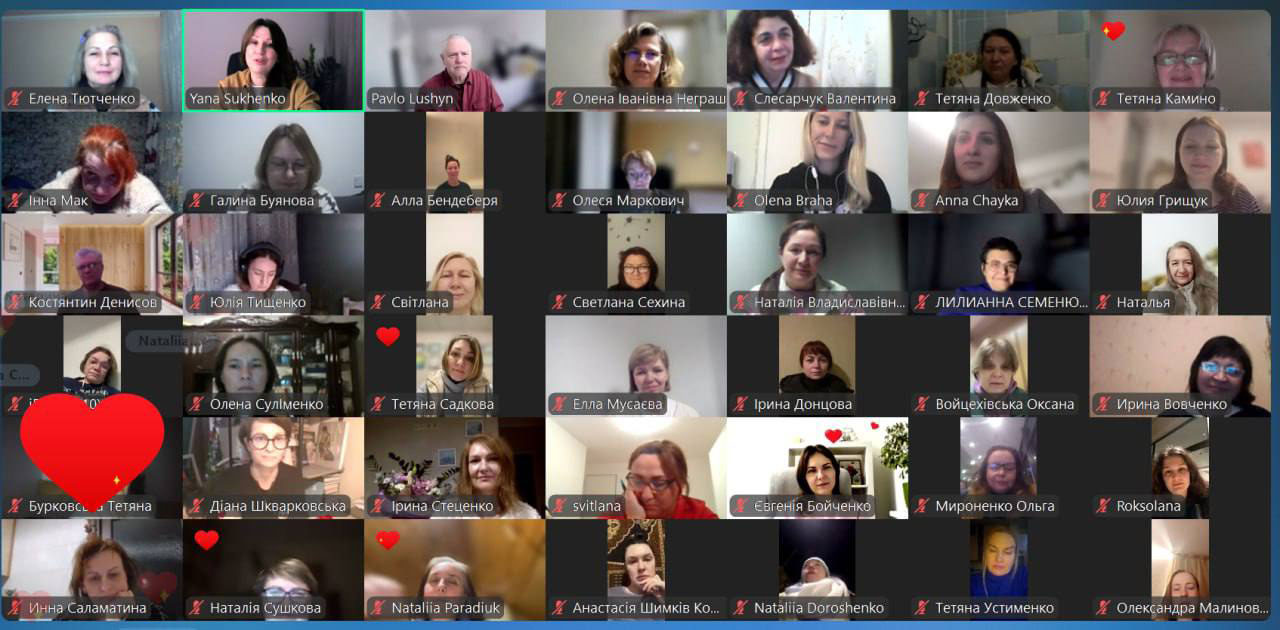
The masterclass confirmed the relevance of ecological approaches in working with traumatic experiences. The high level of student interest and active participation in discussions demonstrated the demand for practice-oriented training and a deep understanding of modern psychotherapeutic approaches.
The meeting was a significant event for the University’s academic community, strengthened the professional motivation of future psychologists, and broadened their vision of trauma-informed care as a process of supporting development, not just overcoming symptoms.
We express our sincere appreciation to Professor Pavlo Volodymyrovych Lushyn for his openness to professional dialogue, depth of scientific thought, mastery of practical work, and willingness to share his extensive experience!
19.02.2026