In late February, theory officially gave way to hands-on practice for third-year students of the "Cultural Studies" educational program. Over several days, under the professional guidance of Kateryna Oleksandrivna DANNIK, Candidate of Cultural Studies and Associate Professor of the Department of Performing Arts and Culture, students immersed themselves in real-world workflows, gaining a true sense of their future profession through the lens of archival work and modern ecological strategies.
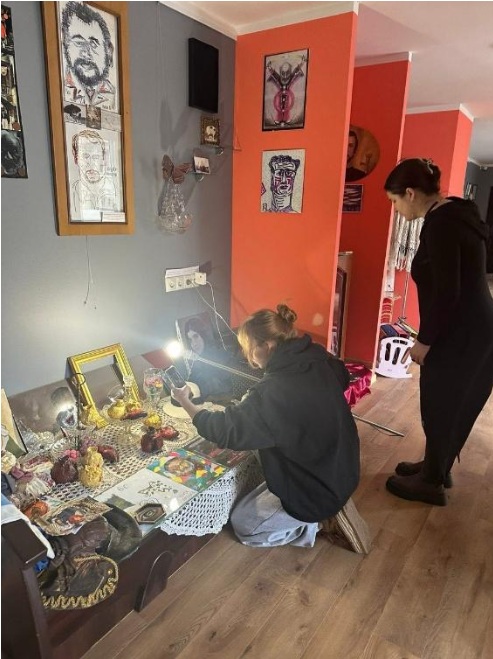
The first stage of this professional immersion was an off-site session held on February 25th at the Sergei Parajanov Museum. This offered a unique opportunity to peek behind the scenes of museum life and understand how collective memory is constructed. Moving beyond simple observation, students directly studied primary registration procedures, worked with inventory books, and mastered the nuances of artifact attribution. By analyzing the preservation state and execution techniques of various objects, these future specialists realized a fundamental truth: behind every line of documentation lies personal responsibility for the authenticity and protection of cultural heritage. This format seamlessly integrated "Museum Studies" theory with real cases, transforming abstract regulations into a clear, actionable algorithm.
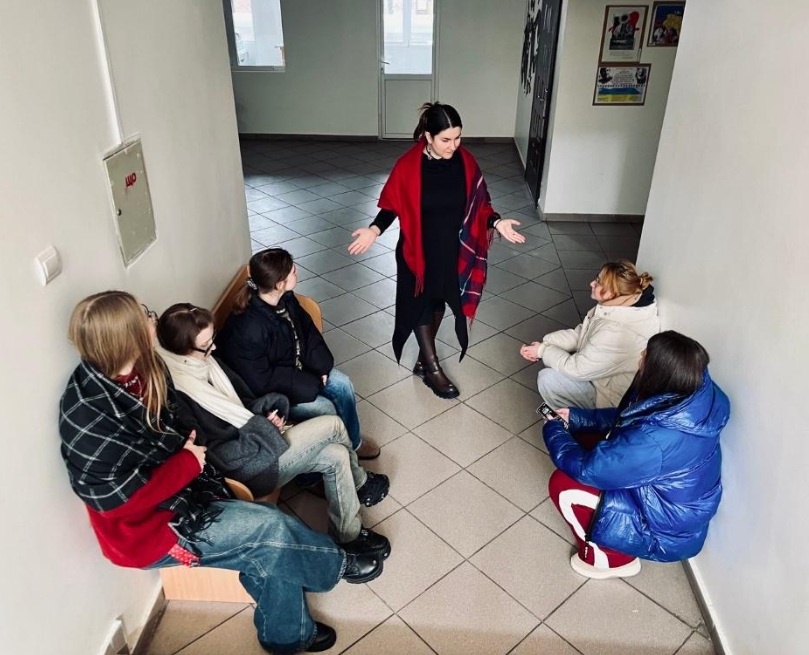
The week continued with a creative transformation as the focus shifted from guarding the past to designing the future. On February 27th, students participated in an upcycle sculpture workshop, which opened with a conceptual lecture on the UN Sustainable Development Goals for 2030. After discussing the role of culture in shaping ecological consciousness and the principles of responsible consumption, the group transitioned to creative practice.
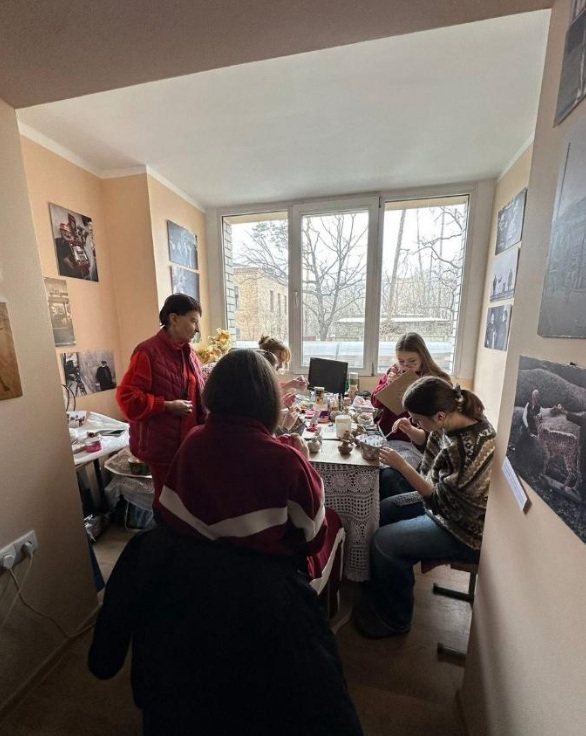
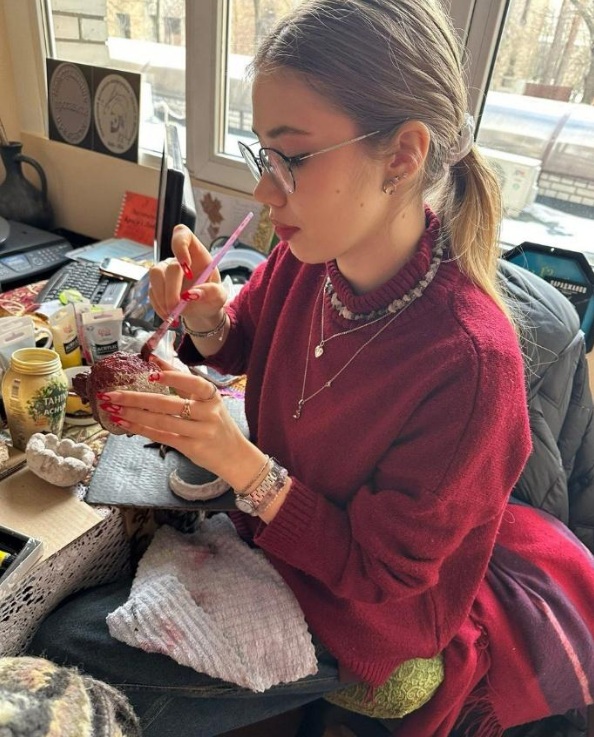
Using secondary raw materials – such as waste paper, cardboard, and various household trinkets – the students crafted artistic objects using the papier-mâché technique. A symbolic highlight of the work was the creation of decorative pomegranates, embodying the idea of transforming a destructive act into a creative one. The process of decorating and composing these sculptures served as more than just artistic reflection; it provided students with practical experience in implementing upcycling principles into a tangible cultural product.
These practical days demonstrated that a modern cultural studies expert is a specialist who can navigate archival folios and global environmental challenges with equal confidence, successfully turning academic knowledge into a tool for social change.
12.03.2026