
NEUROMARKETING AND CONSUMER DECISIONS: AN INTERDISCIPLINARY APPROACH TO UNDERSTANDING CONSUMER BEHAVIOR. WEBINAR FOR STUDENTS MAJORING IN D5 MARKETING
On April 28, 2026, within the framework of Marketing Week, a webinar was held for students majoring in D5 Marketing on the topic “The Attention Economy and Neuromarketing: How Brands Work with Our Cognitive Biases.” The speaker of the event was Maksym Halstian, Data Analyst at TechUklon LLC.
During the webinar, participants learned how modern brands attract and retain consumers’ attention, what psychological mechanisms are used in marketing communications, and how cognitive biases influence the decision-making process. In today’s reality, users encounter thousands of advertising messages every day, most of which are simply ignored by the brain. That is why traditional methods of audience engagement are giving way to a deeper study of human behavior and neurobiology.
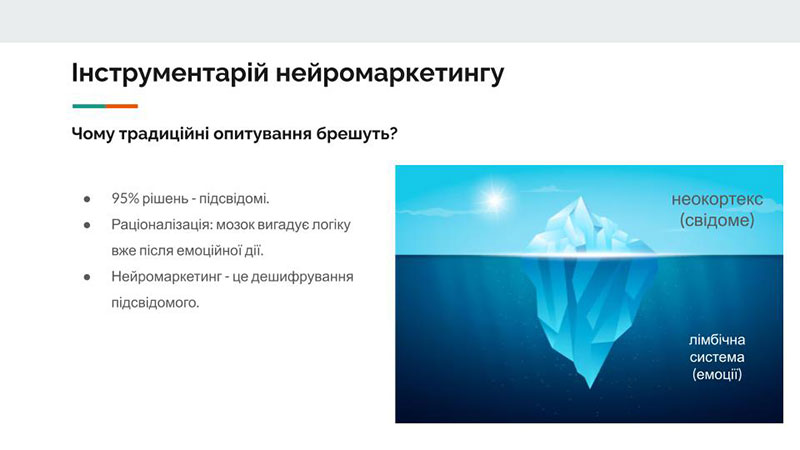
Special attention was paid to the concept of the attention economy, which is highly relevant in today’s digital environment. Since a significant share of decisions is made at the subconscious level, traditional survey methods often prove to be insufficiently effective, giving way to neuromarketing. Maksym Halstian explained why user attention has become one of the most valuable resources for business, and how data, behavioral patterns, and neuromarketing tools help companies better understand audience needs.



Webinar participants had the opportunity to consider practical examples from the field of marketing, ask the speaker questions, and discuss ethical aspects of using neuromarketing technologies. Students were visually introduced to the phenomenon of selective attention through the well-known “Invisible Gorilla” experiment, which demonstrates that consumers often ignore obvious things when their brain is focused on another task.
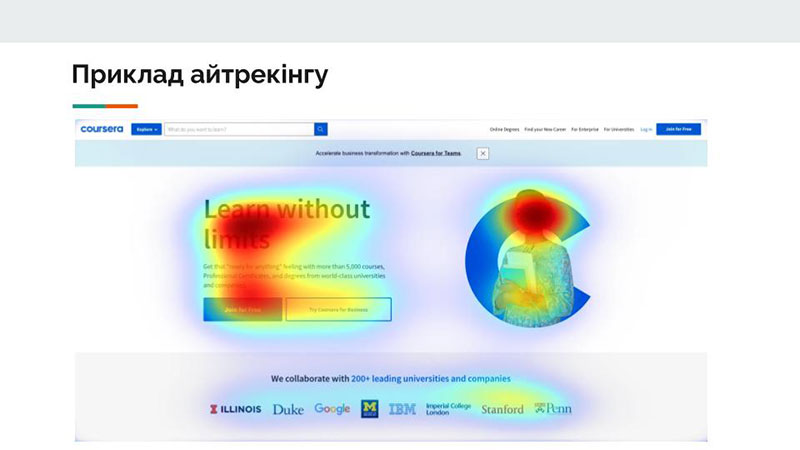
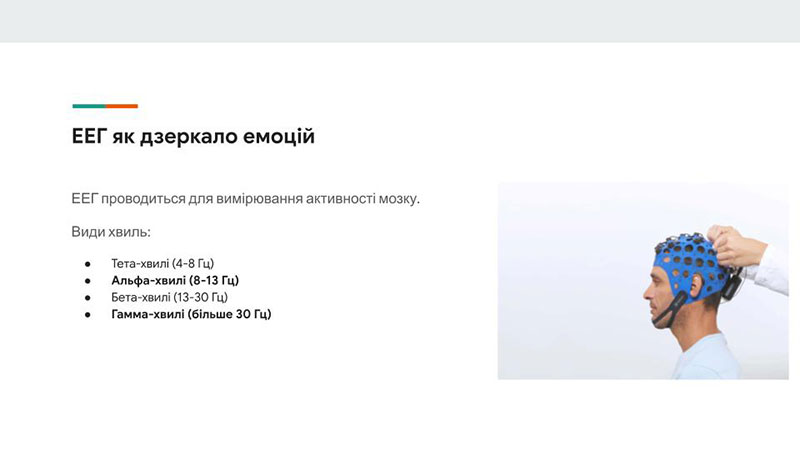
The webinar also examined in detail how marketers use cognitive biases, including social proof, fear of loss, the sunk cost effect, and others. The potential of neuromarketing tools was also presented: students learned how eye-tracking technology, that is, tracking eye movements, and EEG — the measurement of the brain’s electrical activity — help brands test packaging and advertising design without the distortions typical of human responses in traditional methods of researching consumer preferences.
The webinar held within the framework of Marketing Week became an important component of students’ professional development and contributed to deepening their knowledge in the fields of marketing, data analytics, consumer behavior psychology, and modern digital communications. Particular attention was paid to the role of neuromarketing in studying consumer behavior and developing effective, innovative, and ethical promotion strategies in a competitive market.


Participation in the webinar enabled students to understand the importance of an interdisciplinary approach in marketing activities, combining economic, psychological, technological, and communication aspects. The knowledge gained will serve as a foundation for the further development of professional competencies necessary for analyzing consumer behavior, developing effective marketing decisions, and responsibly applying neuromarketing tools in their future professional activities.
29.04.2026