INTERNATIONAL SCIENTIFIC SEMINAR ‘DNA Day 2026’ AT KYIV NATIONAL UNIVERSITY OF TECHNOLOGIES AND DESIGN
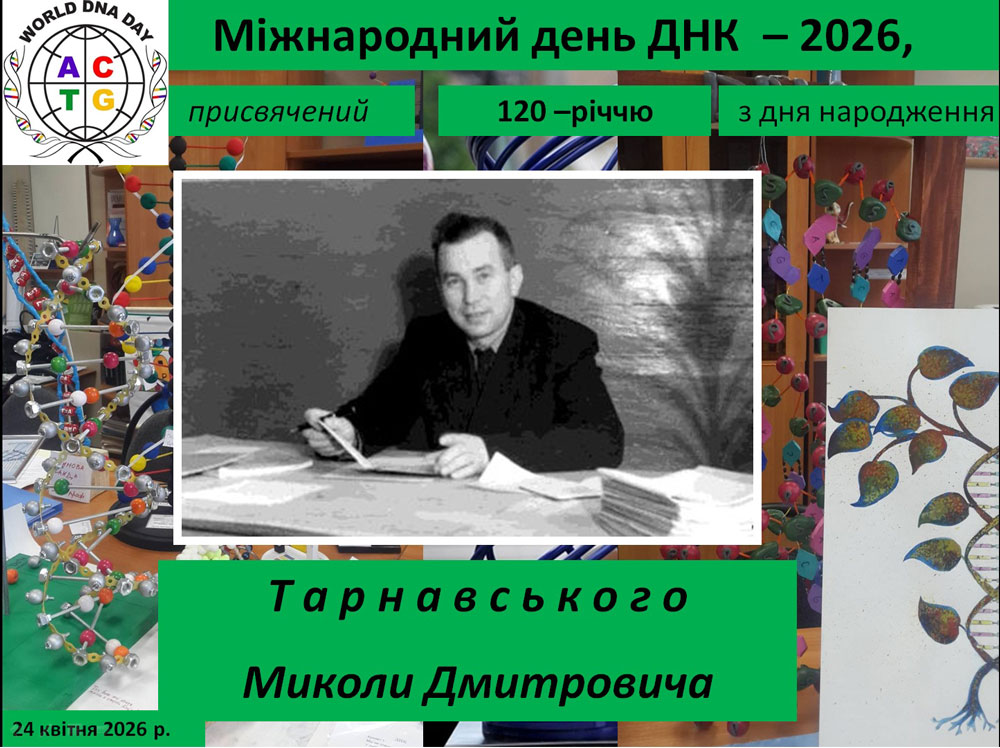
On 24 April 2026, Kyiv National University of Technologies and Design hosted an international scientific seminar for the third consecutive year as part of the celebrations for International DNA Day.
The event was organised to mark the anniversary of Mykola Tarnavsky (1906–1953), the discoverer of the mutagenic effects of exogenous DNA, an original scientist, a brilliant Ukrainian geneticist and an honest citizen.
The seminar was attended by 109 participants, including representatives from the following higher education institutions: the National Scientific Centre ‘Institute of Biology and Medicine’ at Taras Shevchenko National University of Kyiv; Bogomolets National Medical University, National University of Food Technologies, National University “Kyiv-Mohyla Academy”, University of Cambridge, Cambridge, UK; Queen Mary University of London, UK, as well as Ontario Genomics, a non-profit organisation, Ontario, Canada.
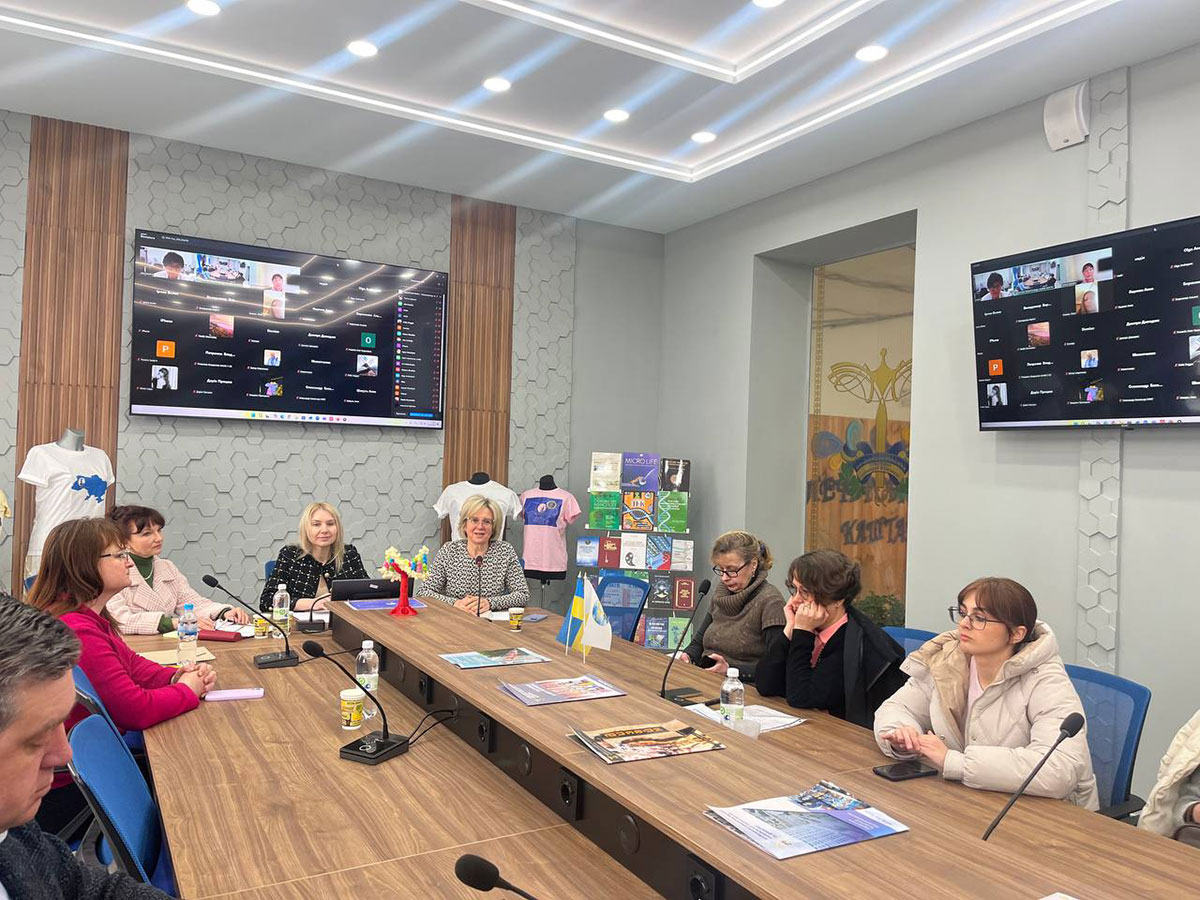
The conference was opened by Olena Mokrousova, Head of the Department of Leather and Fur Biotechnology at KNUTD, Doctor of Technical Sciences and Professor, who outlined the aims of the scientific seminar — not only to commemorate the history of the discovery of DNA and highlight the role of Ukrainian scientists in the development of genetics, but also to showcase contemporary achievements in biotechnology and interdisciplinary research.
Lyudmyla Hanushchak-Yefimenko, Vice-Rector for Research and International Affairs at KNUTD, Doctor of Economics, Professor, who emphasised the resilience of science at the university, which stands the test of time and harsh circumstances with dignity and demonstrates significant achievements in research and international projects, as well as in new initiatives such as ‘Scientific Spring’, where International DNA Day becomes a highlight. The rector wished the participants and distinguished guests fruitful work, interesting discussions and the further development of a systematic approach to the study, teaching and implementation of advances in molecular genetics, as well as the expansion of event formats.
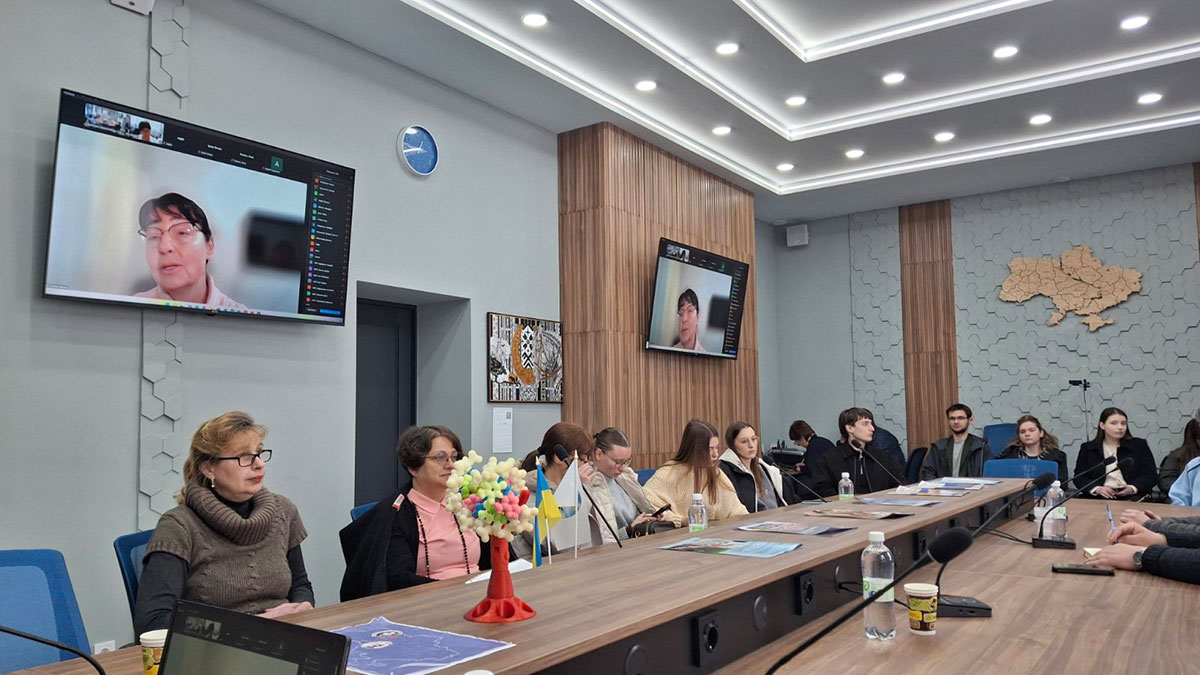
Tetyana Derkach, Dean of the Faculty of Chemical and Biopharmaceutical Technologies at KNUTD, Doctor of Pedagogical Sciences and Professor, welcomed the participants of the scientific seminar and emphasised that in today’s scientific landscape, it is of the utmost importance not only to move forward, and open up new horizons, but also to preserve continuity with scientific traditions. In her account of the main achievements and tragic stages in the life of the hero of DNA Day 2026, the Dean described Mykola Tarnavskyi as a symbol of devotion to scientific convictions, honesty and professional responsibility.
The scientific seminar was chaired by Tetiana Shcherbatyuk, the initiator of the event and chair of the organising committee, Professor in the Department of Biotechnology, Leather and Fur at KNUTD, Doctor of Biological Sciences.
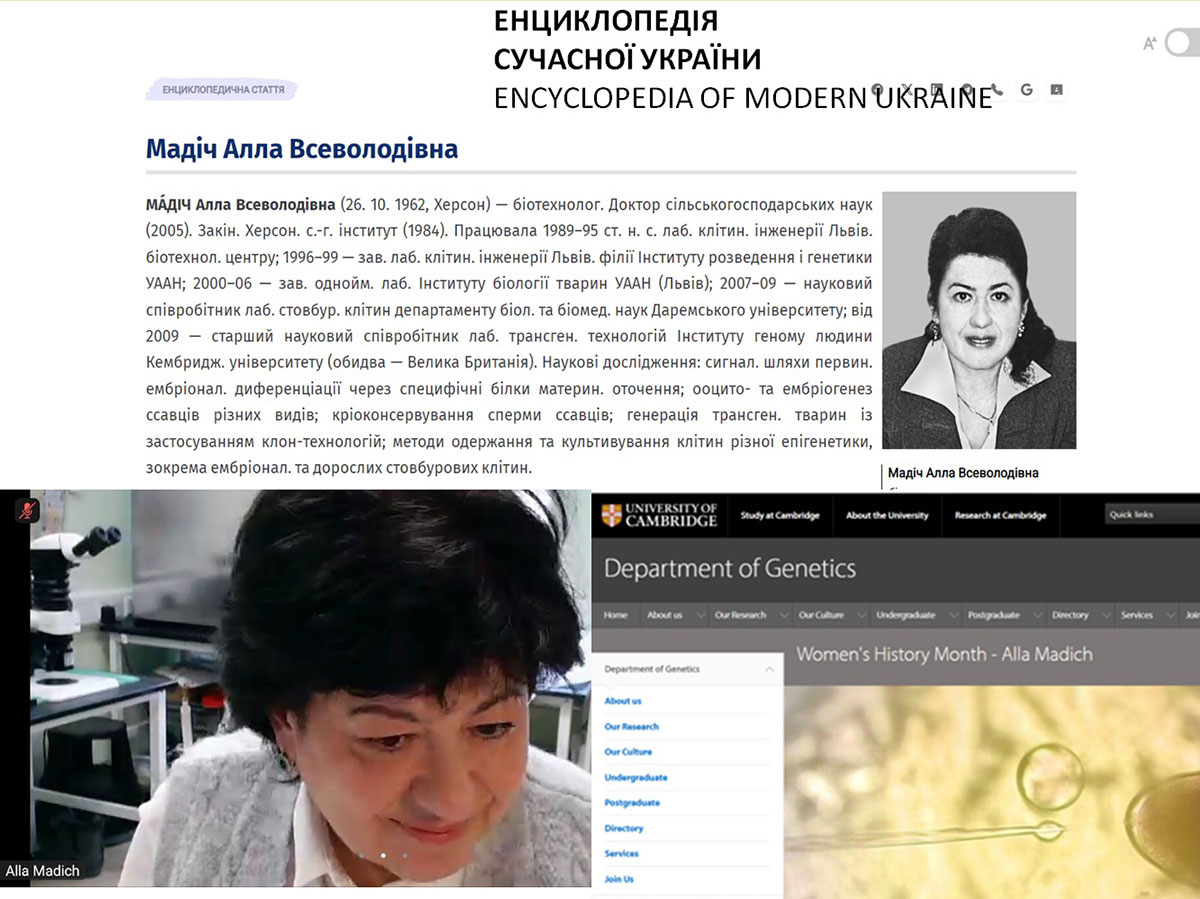
Alla Madich, DSc, PhD, Prof. Assistant, Transgenic Technologist, Department of Genetics, University of Cambridge, United Kingdom, a biotechnologist specialising in cell technologies, whose prolific work in Ukraine is featured in the Encyclopaedia of Modern Ukraine, opened the International Seminar with a lively and engaging lecture entitled ‘A Scientific Portrait of Ukrainian Geneticist Mykola Tarnavsky. How a jellyfish brought about revolutionary changes in cell biology. Controlling the genetic code – Gene Drive Engineering”.
The participants showed keen interest in the practical application of Gene Drive Engineering—a technology that forces the rapid inheritance of a specific trait within a population, which, by circumventing traditional Mendelian laws, enables the rapid dissemination of new traits with the aim of modifying or suppressing entire populations—and also took note of the traditions of the University of Cambridge.
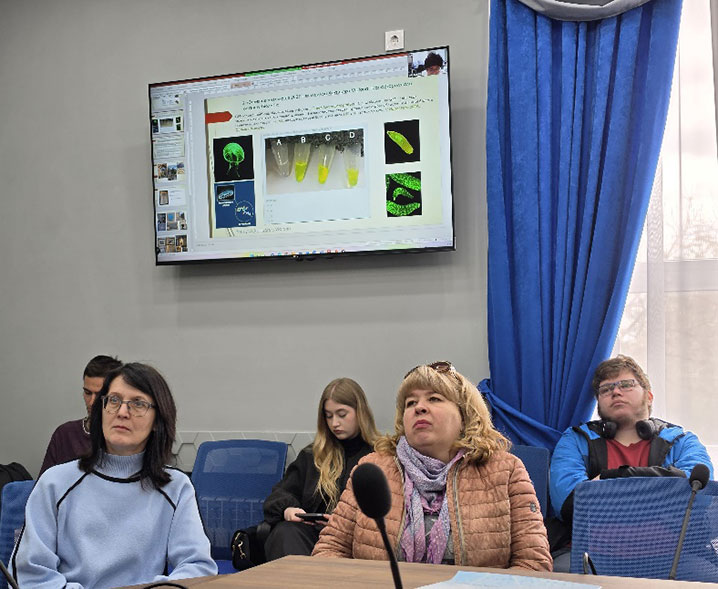
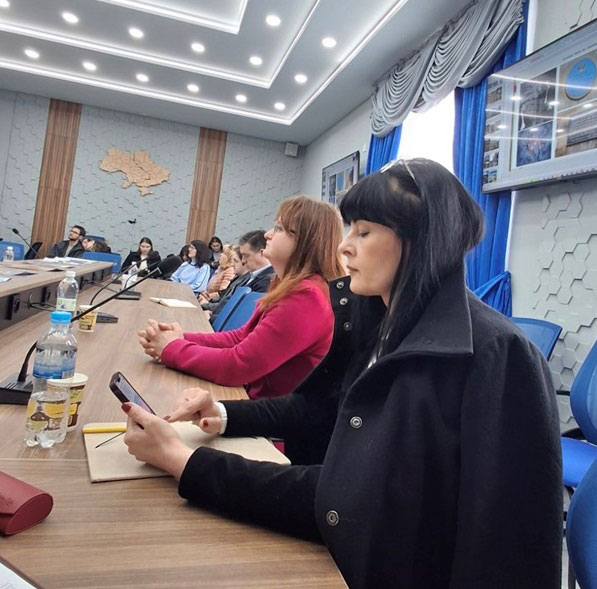
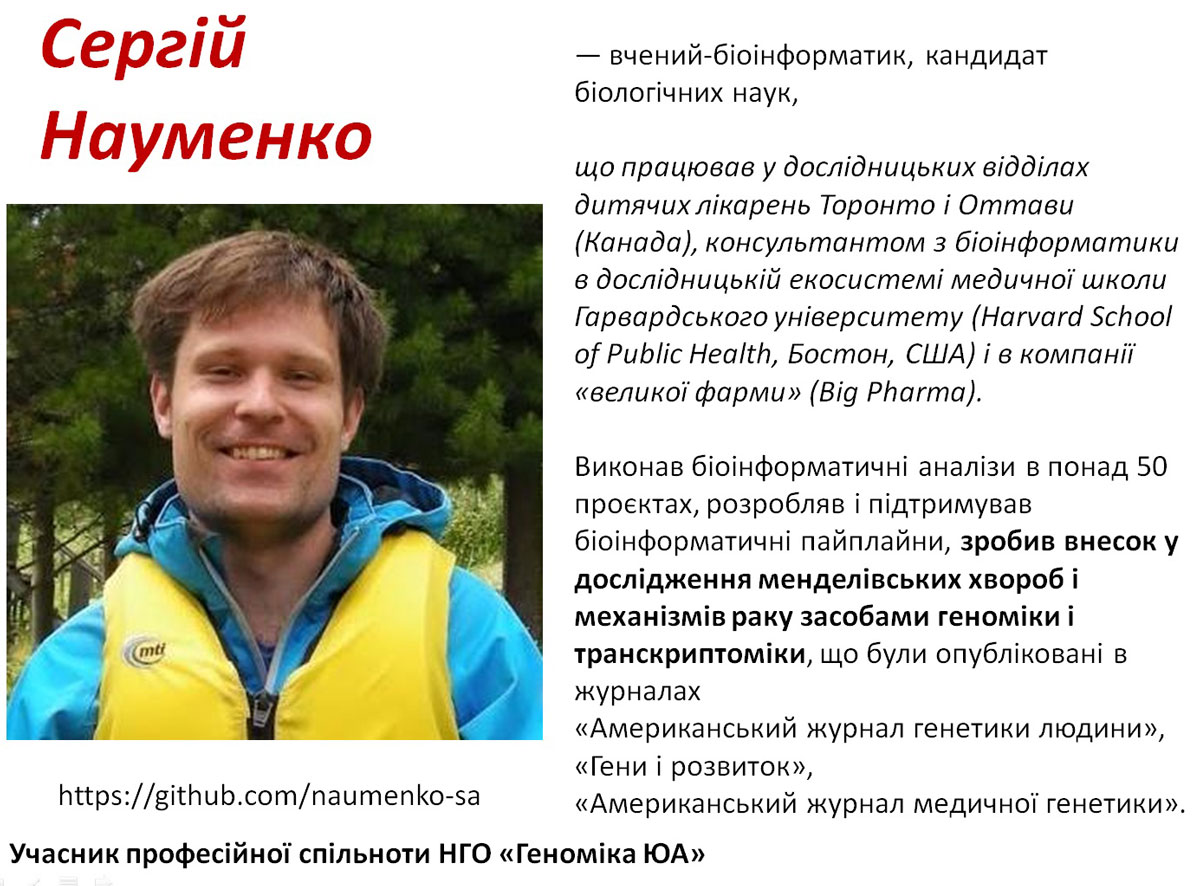
Serhii Naumenko, a specialist in genomic bioinformatics with the Ontario Newborn Screening Programme, Canada, PhD in Biology, summarised in his presentation ‘Genomic Screening of Newborns’ the main contemporary approaches and projects aimed at diagnosing monogenic disorders associated with a mutation in a single gene, which lead to serious metabolic disorders.
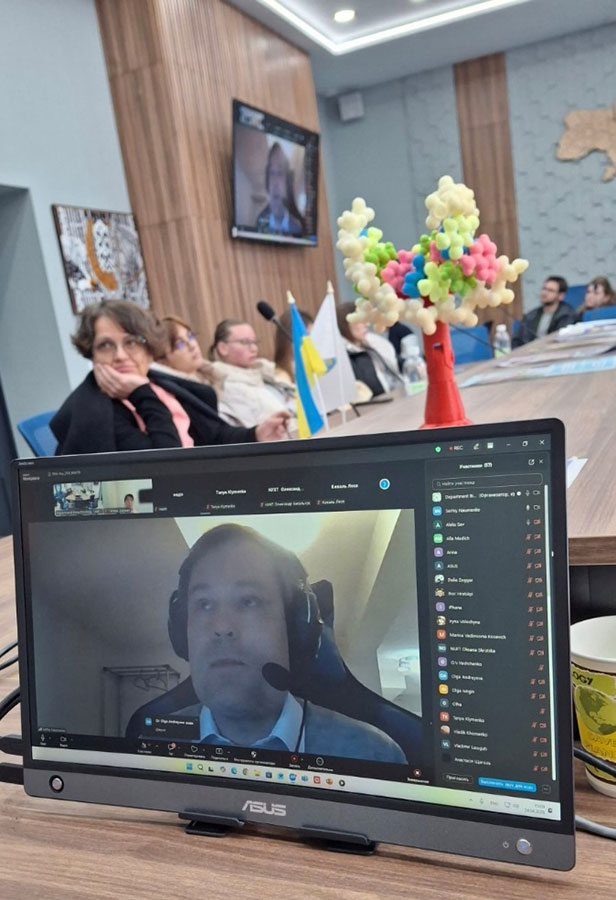
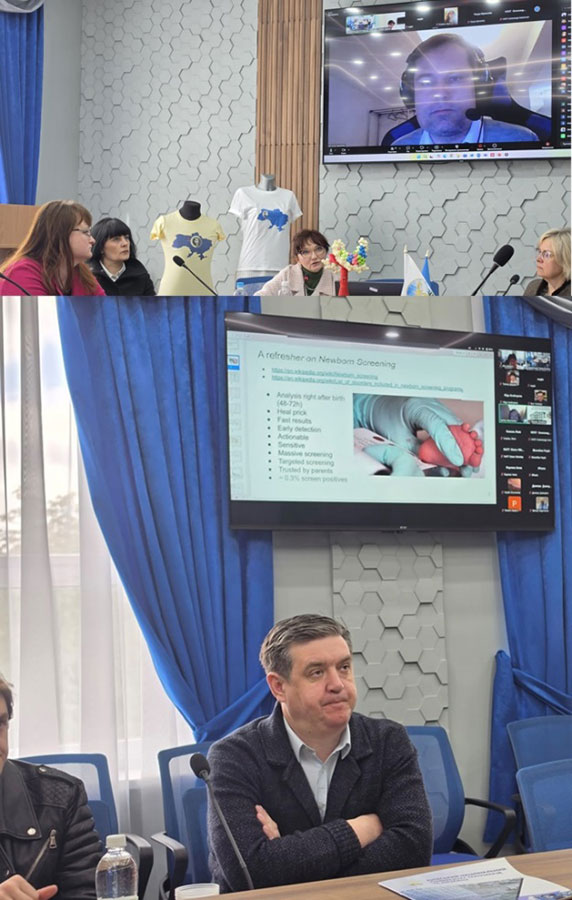
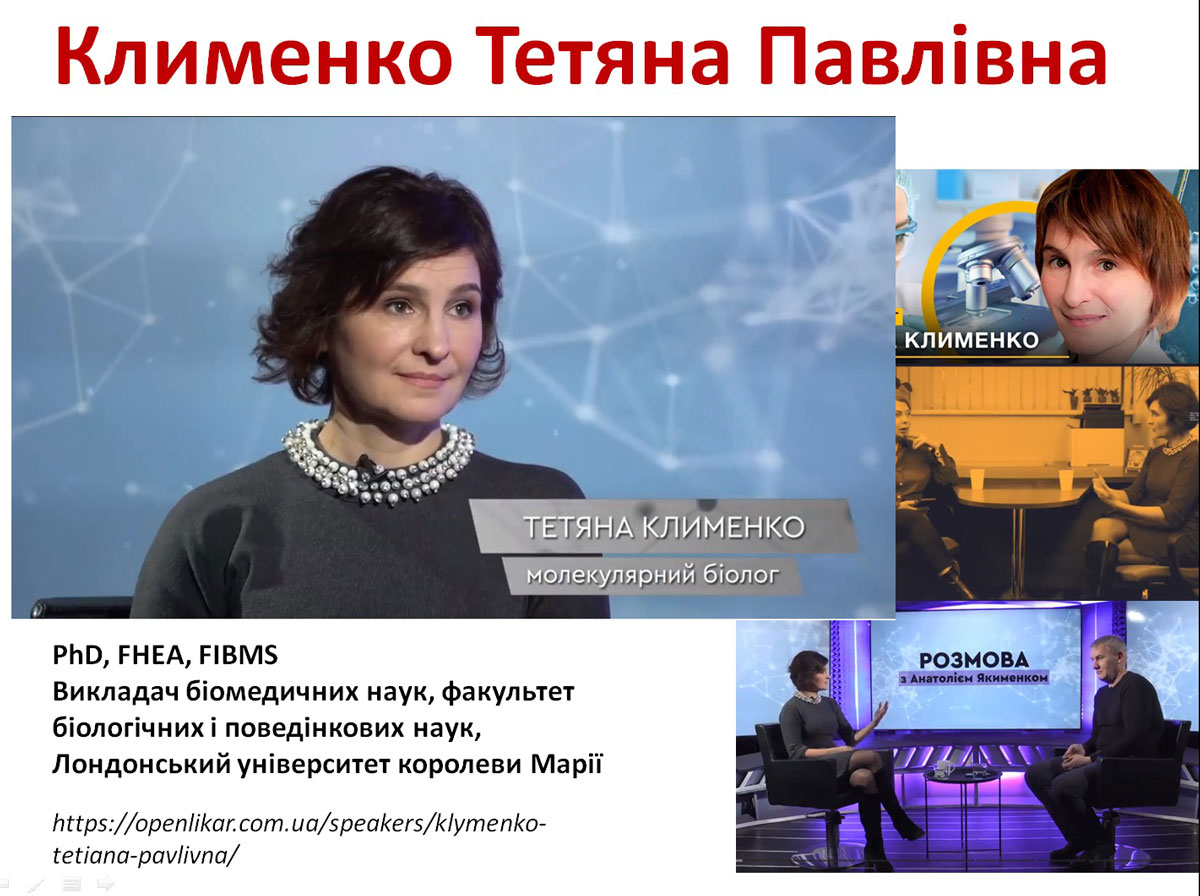
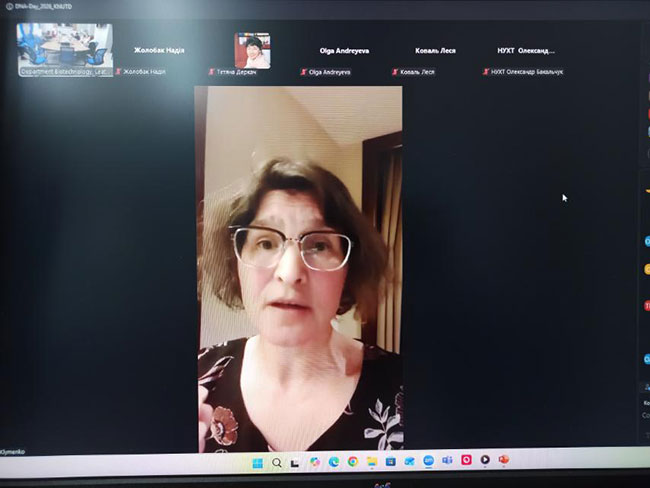
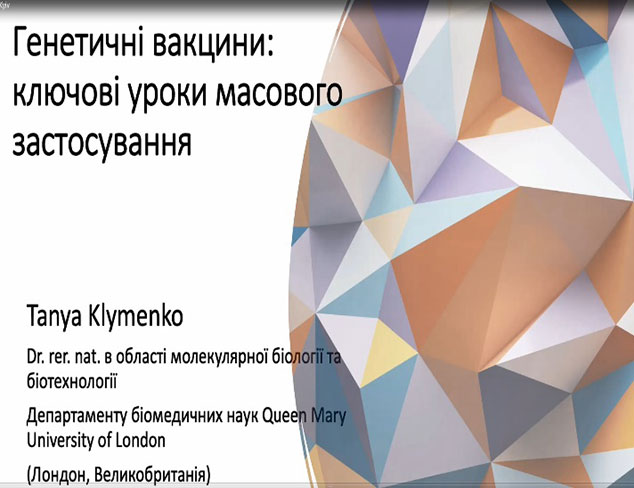
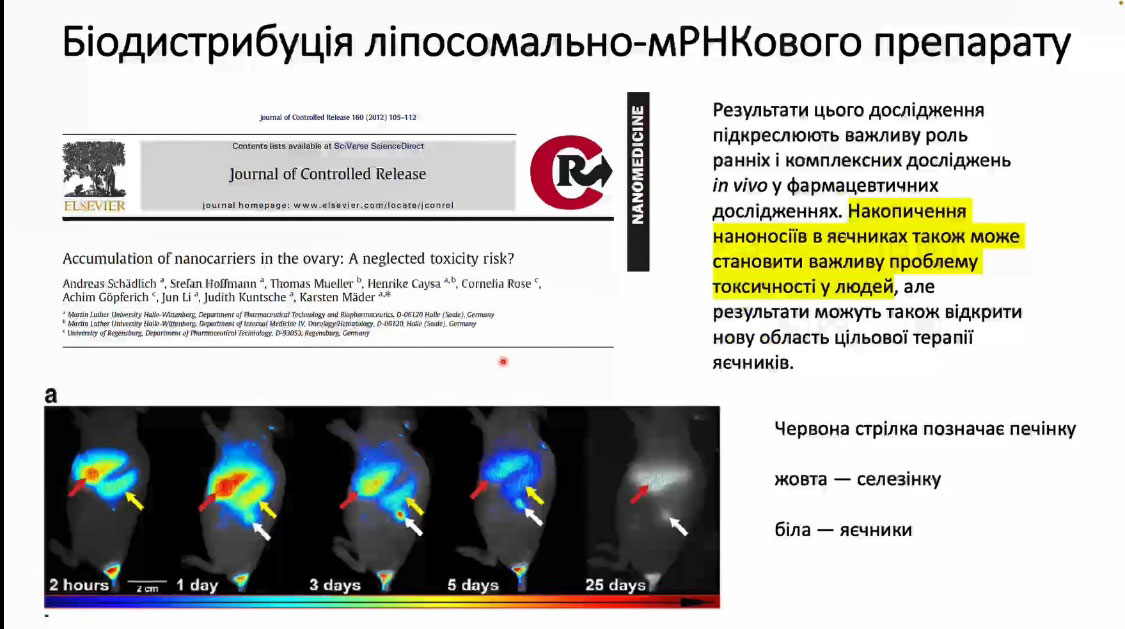
Tetyana Klymenko, a lecturer at the Faculty of Biological and Behavioural Sciences at Queen Mary University of London (UK), PhD, FHEA, FIBMS, a leading researcher, lecturer and populariser of biomedical advances, in her lecture ‘Genetic Vaccines: Key Lessons for Mass Application’, provided a coherent, well-founded and unbiased analysis of modern post-genomic technologies aimed at the creation and production of molecular-genetic vaccines.
The seminar participants engaged in a lively and in-depth discussion with the speaker regarding the lessons learned from post-vaccination effects in the context of the COVID-19 pandemic. The call for an open dialogue between the scientific and business communities, as advocated by Tetiana Klymenko, served as a kind of parting message for the future biotechnologists, who made up the vast majority of the seminar participants.
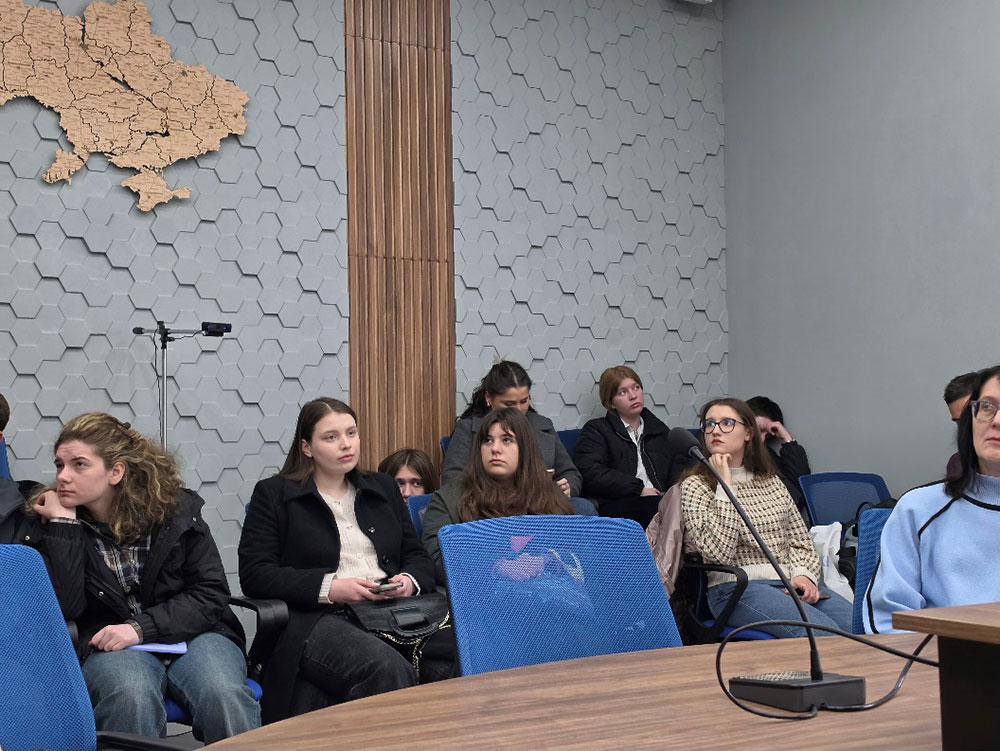
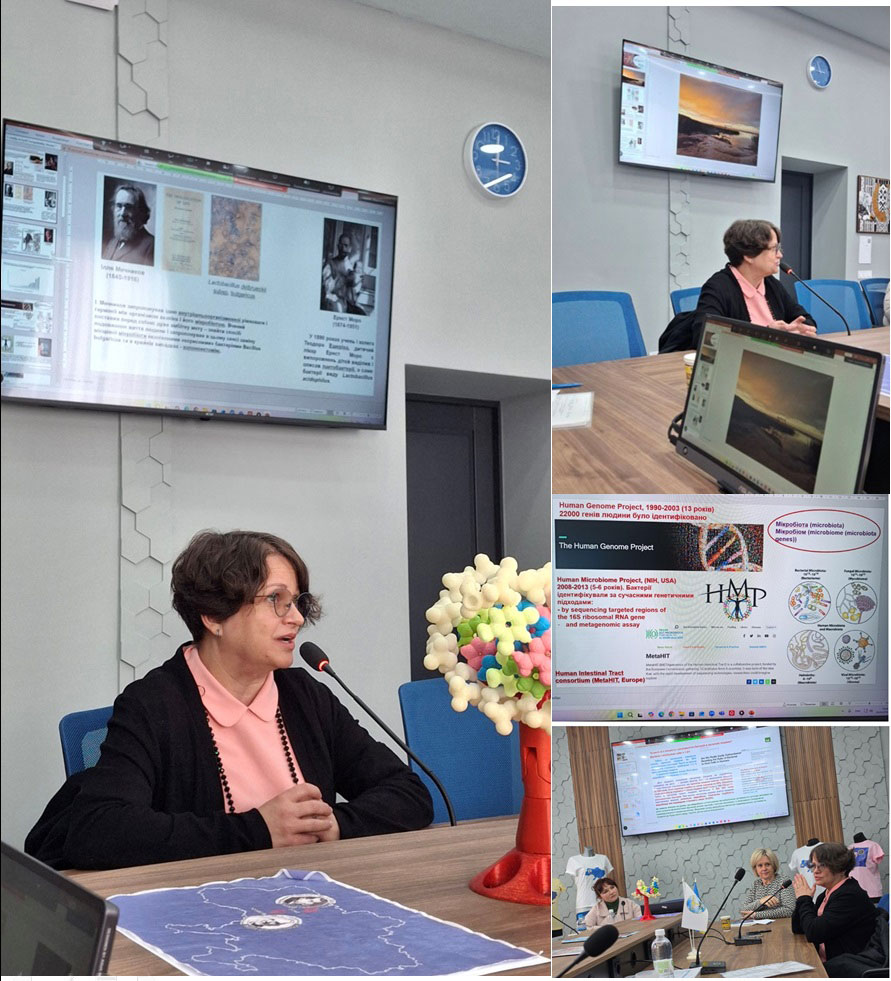
Yulia Shvets, Associate Professor at the Department of Biomedicine, Educational and Scientific Centre ‘Institute of Biology and Medicine’, Taras Shevchenko National University of Kyiv; scientific consultant for Lilo, PhD in Biology, Associate Professor, author of the book *Biological Foundations of Infectious Processes of Bacterial Aetiology*, and the first developer of the syllabus for the course “Immunology and Immunobiotechnology”, which is taught to students of the Faculty of Chemical and Biopharmaceutical Technologies, visited KNUTD in an offline format. Yulia Shvets’ lecture, ‘The Interaction of the Microbiome and the Human Genome’, enriched the seminar participants with theoretical knowledge and practical recommendations on organising a healthy diet, which aroused keen interest despite it being the third hour of intense intellectual work.
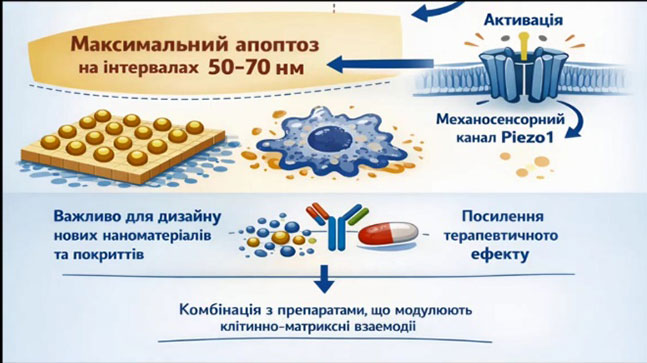
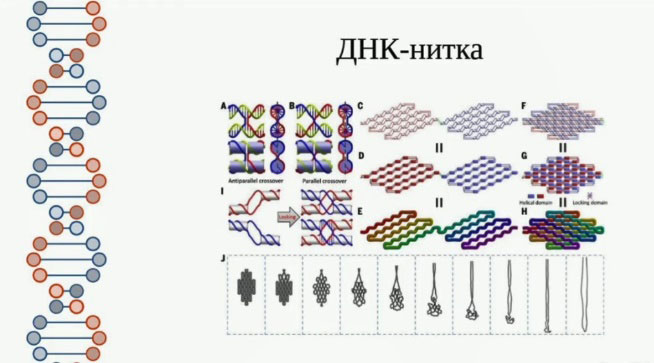
For the second time, students from the Bogomolets National Medical University took part in the seminar remotely. Under the academic supervision of Anatolii Yegorenkov, Associate Professor at the Department of Medical and Biological Physics and Informatics at the Bogomolets National Medical University, they produced a series of educational videos: ‘Nanomachines for Cancer Therapy’ (by Alina Soldatenko, a student at the Second Faculty of Medicine, Bogomolets National Medical University) and ‘DNA Origami’ (by Bohdana Obodzinska, a first-year student at the Faculty of Paediatrics, Bogomolets National Medical University).
Tetyana Shcherbatyuk, the moderator of the academic seminar, summarising the comments made by seminar participants regarding Mykola Dmytrovych Tarnavskyi, noted with regret that the V. I. Vernadsky National Library of Ukraine and the National Scientific Agricultural Library do not hold any of the scholar’s works in the field of genetics; only a single item has survived – a brochure, the methodological guide ‘Charles Darwin’s Theory of Evolution’, 1946. However, Mykola Dmytrovych’s scientific legacy has not been lost; it was rescued and preserved by the staff of the library at the Bila Tserkva State Agrarian University, and so we have the opportunity to further explore the scientific achievements of the talented Ukrainian geneticist M. D. Tarnavsky.
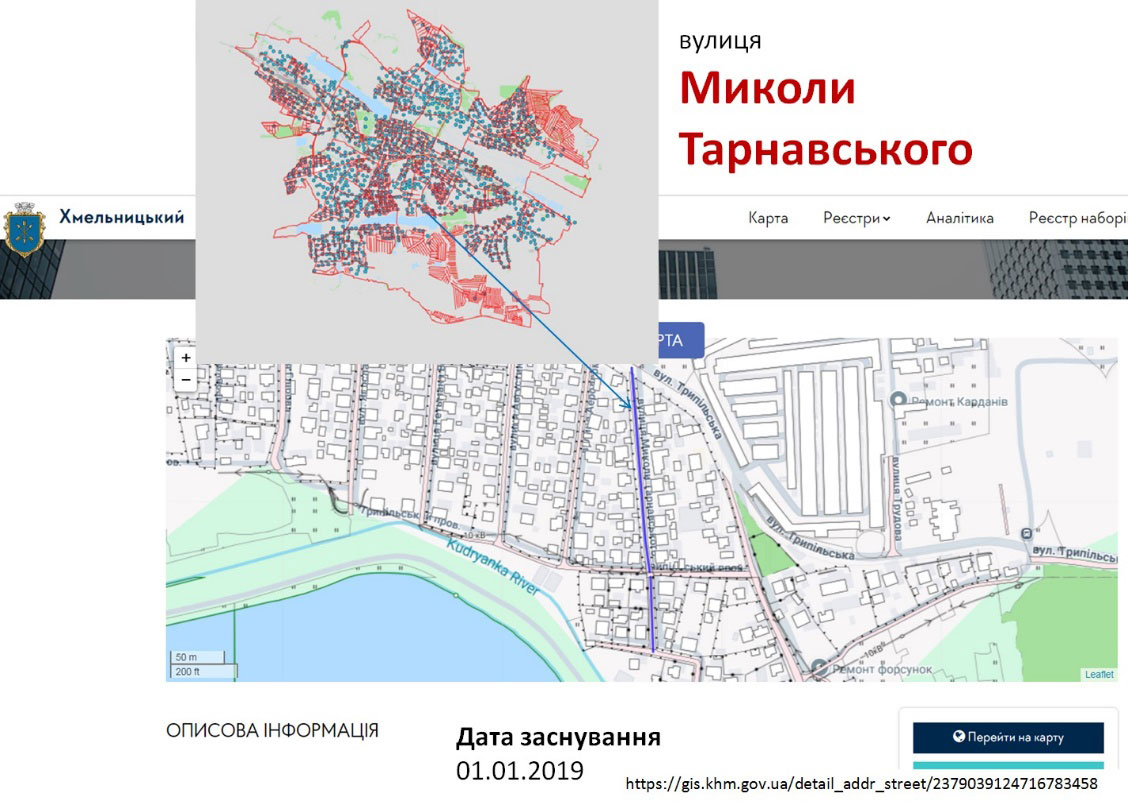
In 2019, the Toponymic Commission, which operates under the Khmelnytskyi City Council, supported an initiative by the Khmelnytskyi regional branch of the All-Ukrainian Ecological League (headed by Dr Natalia Mironova, Doctor of Agricultural Sciences and, at the time, Head of the Department of Ecology at Khmelnytskyi National University), and approved the renaming of Michurin Street to Mykola Tarnavskyi Street.
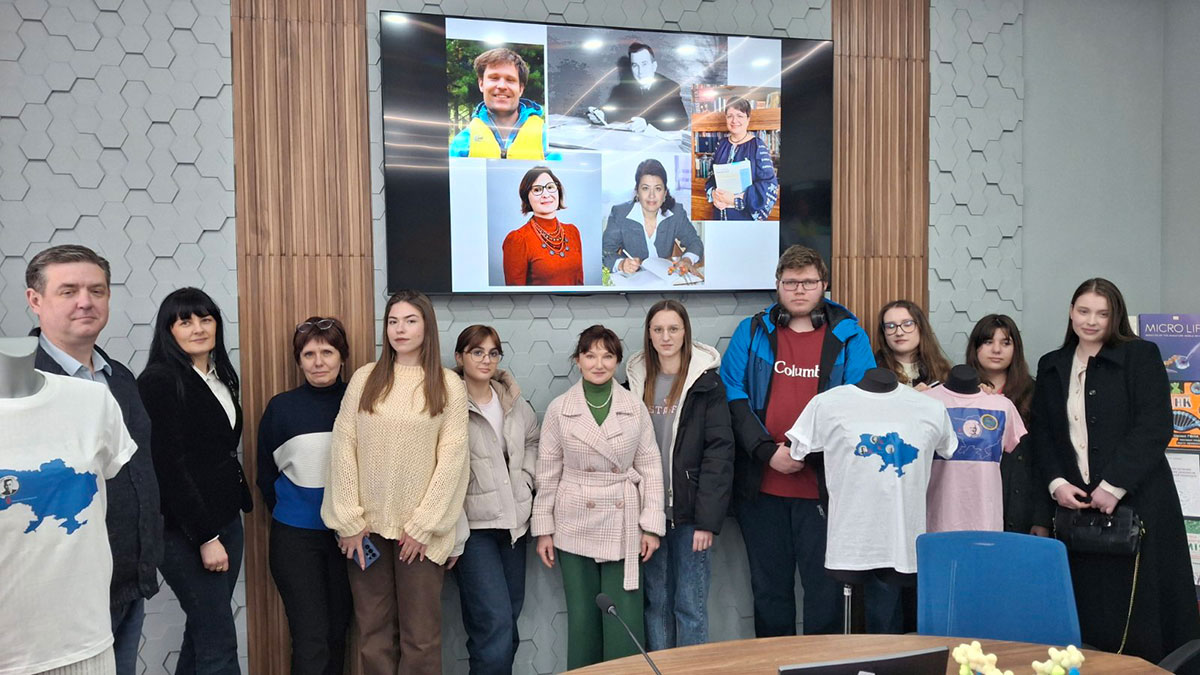
Students and lecturers from the Faculty of Chemical and Biopharmaceutical Technologies, the Institute of Culture and Creative Industries, the Faculty of Design, the Faculty of Engineering and Information Technologies at KNUTD, and the Scientific and Technical Library took an active part in the international scientific seminar ‘DNA Day 2026’; In particular, Olena Kotvytska, Head of the Information Technology and Computer Support Department at the Scientific and Technical Library and author of the ‘Scientific Map of Ukraine’ print, presented T-shirts featuring the logo of the project ‘In the Footsteps of Outstanding Local Scientists’.
Tetyana Bukoros, Director of the Scientific and Technical Library at Kyiv National University of Technologies and Design, PhD in Political Science, Associate Professor, in her closing remarks emphasised that a significant step in the development of the project, which was launched three years ago, was the creation of the ‘DNA Day’ page on the library’s website, featuring a chronicle of the educational, scientific and cultural project ‘In the Footsteps of Outstanding Local Scientists’. This allows for the systematisation of knowledge, the preservation of scientific memory, and making it accessible to a wider audience.
Therefore, the international scientific seminar ‘DNA Day 2026’ is not merely a scientific event, but part of a wider process of popularising science, integrating knowledge and developing society’s intellectual potential.
The Organising Committee would like to express its sincere gratitude to all the speakers and participants of the seminar and invites you to take part in 2027!
05.05.2026