
ROUND TABLE DEDICATED TO THE ANNIVERSARY OF THE CHERNOBYL DISASTER HELD AT THE DEPARTMENT OF FASHION TECHNOLOGY
On April 24, 2026, a round table discussion entitled “Human, Safety, and Responsibility” was held for students of the Fashion Industry educational program. The event was dedicated to exploring the role of science, technology, and human responsibility in the contemporary world. The discussion was moderated by Olha Haranina, Head of the Department of Fashion Technology.
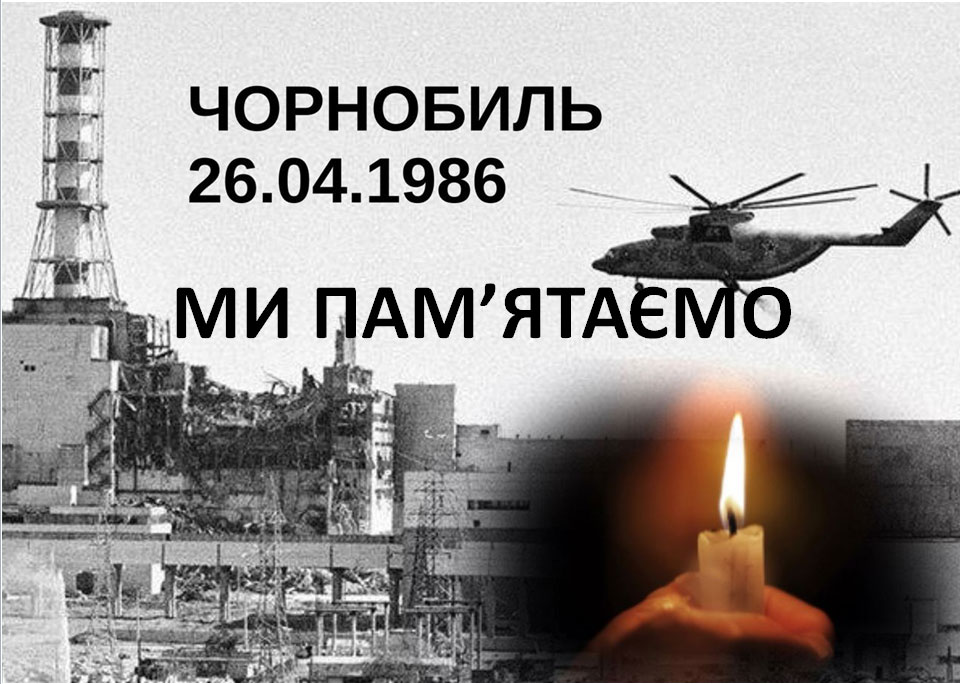
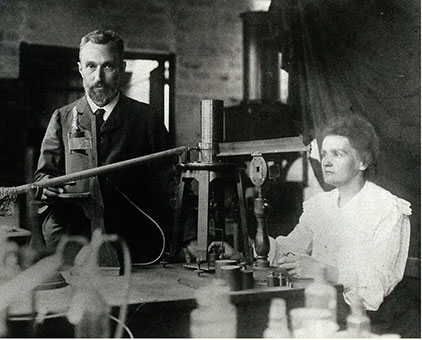
The discussion focused on historical events that reshaped global perceptions of scientific progress, the cost of human error, and the importance of fostering a strong safety culture. During the event, students had the opportunity to trace the path from the discoveries of Marie Curie and Pierre Curie to the global lessons of the Chernobyl disaster and the Fukushima Daiichi nuclear disaster.
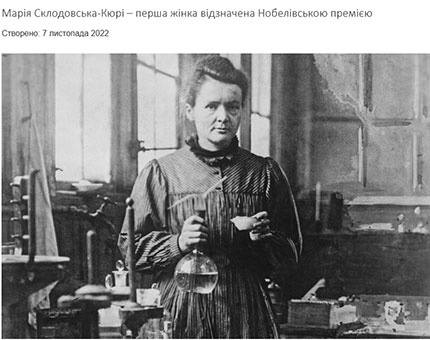
Particular attention was devoted to the figure of Marie Curie, the outstanding scientist who, together with Pierre Curie, discovered polonium and radium, laying the foundations for the study of radioactivity. Her life story served as an example of dedication to science and a reminder that great discoveries often come at a high price.
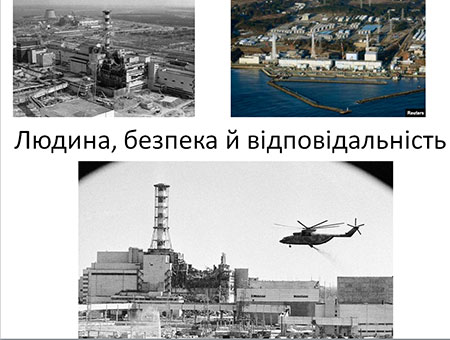
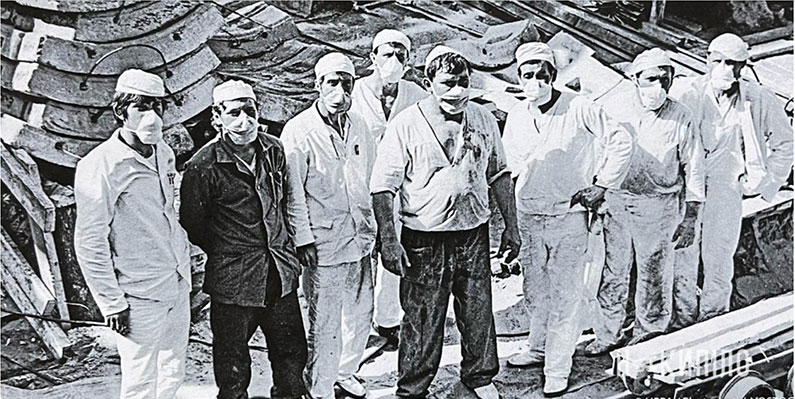
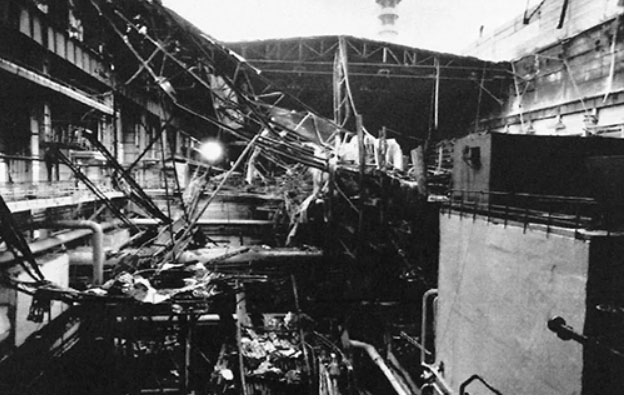
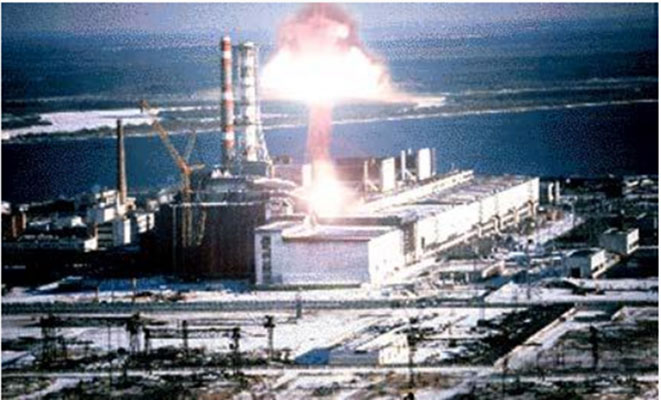
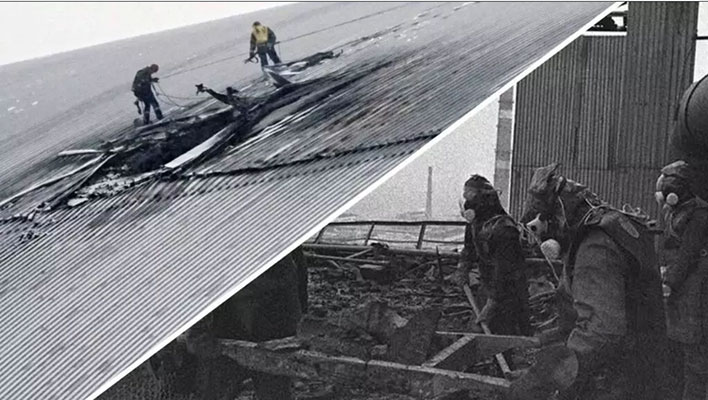
During the round table discussion, students examined the events of the Chernobyl disaster — an accident that became one of the largest technological disasters in human history. Participants analyzed the physical causes of the reactor explosion, the design flaws of the RBMK-1000 system, the absence of a protective containment structure, and the consequences of the catastrophe for both people and the environment. Particular emphasis was placed on the courage of the liquidators, who, at the cost of their own health and lives, prevented an even greater disaster.
An equally important part of the discussion was devoted to the study of the Fukushima Daiichi nuclear disaster in Japan in 2011. Students learned how natural disasters — an earthquake and tsunami — caused the failure of the cooling systems, as well as about modern safety technologies that helped minimize the scale of the tragedy.
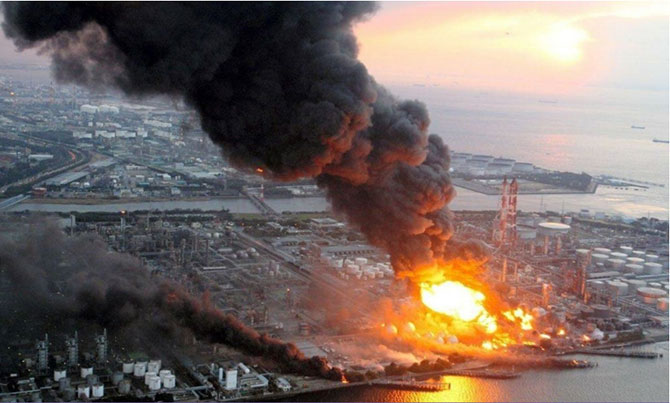
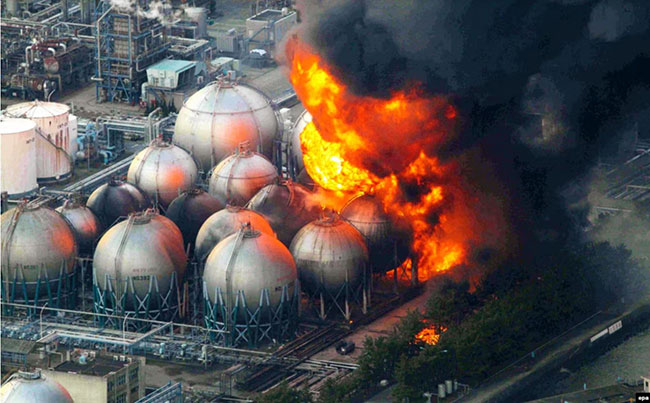
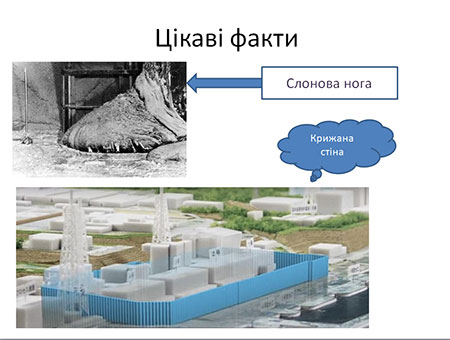
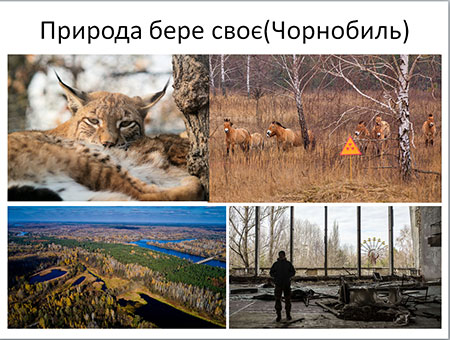
Considerable interest was also sparked by fascinating facts related to the consequences of nuclear accidents, including the phenomenon of the “Elephant’s Foot” in Chernobyl disaster, the construction of the ice wall at the Fukushima Daiichi nuclear disaster site, and the remarkable recovery of nature within the exclusion zone. These examples became the basis for an in-depth discussion on the interaction between humans, technology, and the environment.
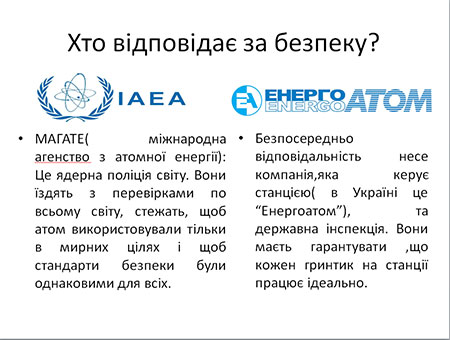
Participants of the round table also addressed issues of international and governmental responsibility in the field of nuclear safety, as well as the role of the International Atomic Energy Agency, state institutions, and scientists in ensuring control over the use of nuclear energy. Significant attention was devoted to ethical questions: whether humanity has the right to shift responsibility for hazardous waste onto future generations, and how to find a balance between the need for clean energy and the safety of humankind.
In conclusion, the participants agreed that the modern world requires not only advanced technologies but also a high culture of responsibility. Nuclear energy can serve as a source of development and stability; however, this is possible only under the condition of unconditional respect for the laws of science, safety, and human life.
Such events contribute to the development of critical thinking, environmental awareness, and an understanding among students that responsibility for the future begins with each individual.
14.05.2026