The first semester of the 2025/2026 academic year has ended and proved to be extremely productive for the participants of the student scientific club “Coloring of Polymer and Fibrous Materials”. Meetings were held monthly in accordance with the approved plan, bringing together future specialists to study the complex processes of dye interaction with materials of various nature.
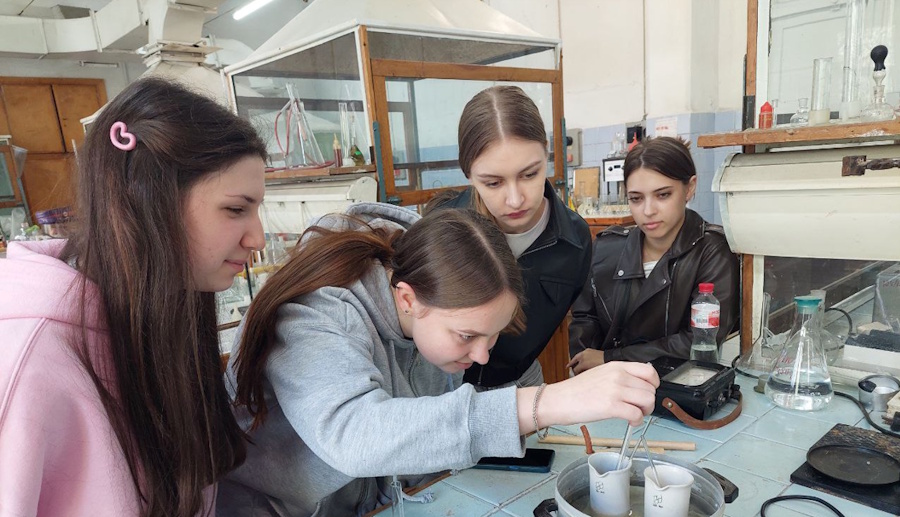
During the semester, students engaged in experimental work, exploring the features of coloring synthetic polymer materials as well as natural and blended fibers using dyes of different classes.
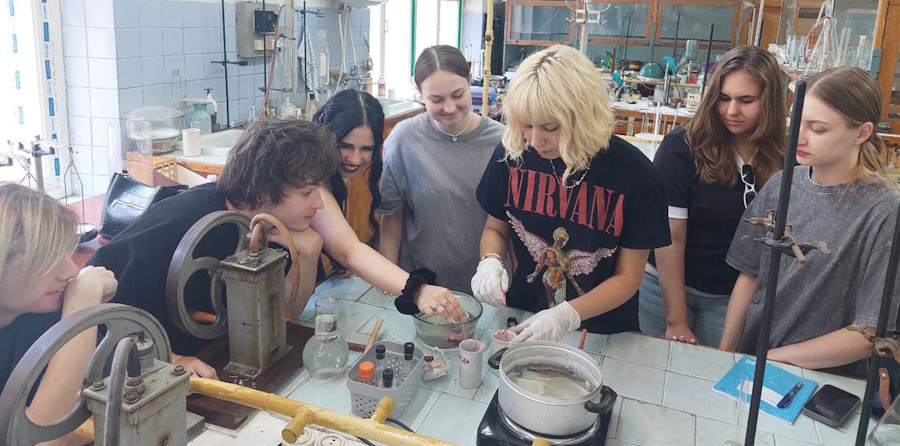
Each club meeting became a platform for practical experimentation – from adjusting technological parameters to testing dye fastness and analyzing the impact of chemical composition on the quality of the finished product.
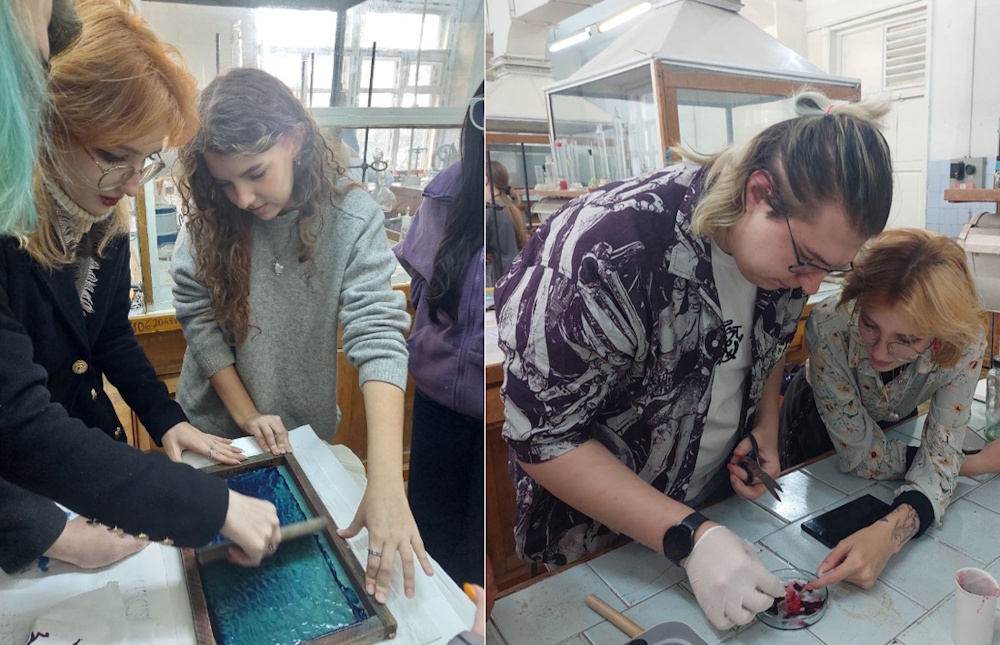
A real highlight of the semester was a practical lesson on ecological dyeing. In line with the global trend toward sustainable development and “green” technologies, the students conducted a series of experiments using marigold extract as a natural dye.
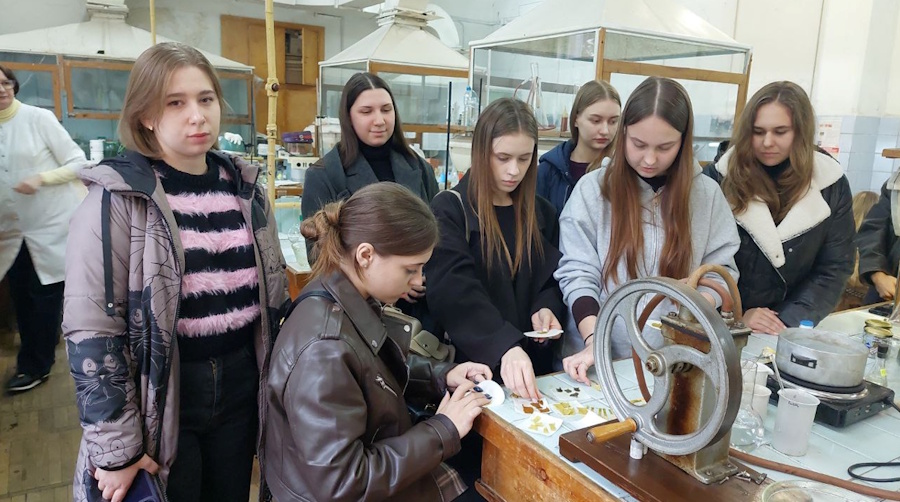
Using wool fibers, the students achieved a wide palette of colors, ranging from soft gold to deep olive and bronze. The diversity of shades was achieved through the use of different mordants, which not only fixed the dye but also significantly altered the resulting hues.
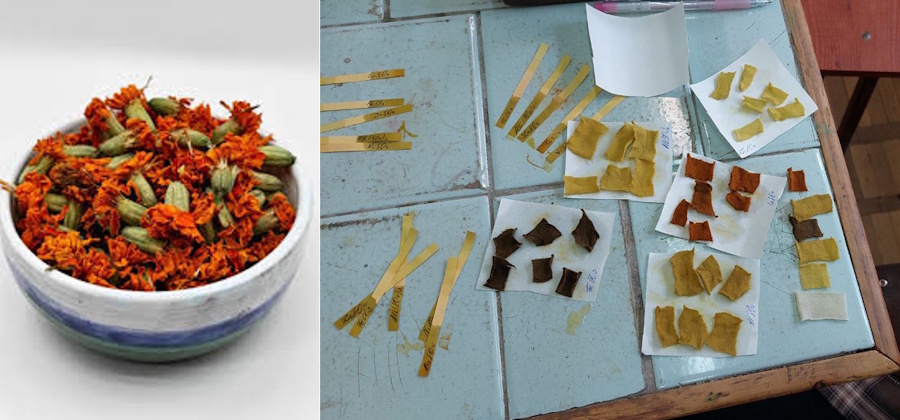
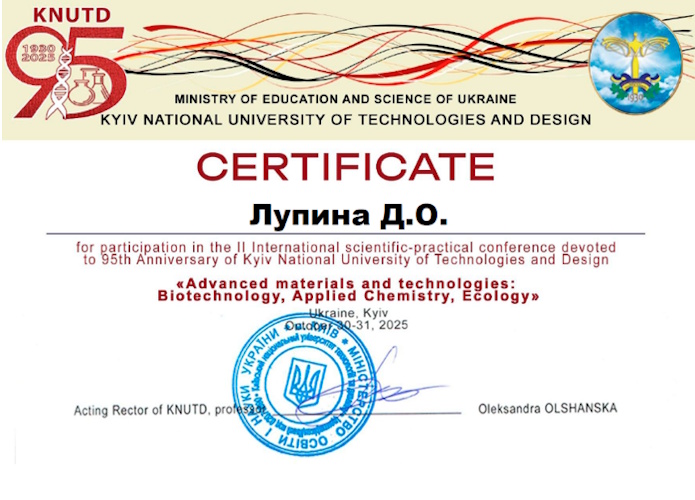
Students demonstrated a high level of interest in the field of eco-dyeing. For a modern specialist, the ability to combine traditional knowledge with contemporary environmental trends is essential. In addition to laboratory research, the club participants actively presented their achievements at international scientific venues, including the IX International Scientific and Practical Conference on Textile and Fashion Technologies (October 16, 2025) and the II International Scientific and Practical Conference “Advanced Materials and Technologies: Biotechnology, Applied Chemistry, Ecology”, dedicated to the 95th anniversary of KNUTD (October 30-31, 2025).
Even more exciting research lies ahead in the second semester! We wish our young researchers inspiration and many new, bright discoveries!
02.02.2026