
STUDENT SCIENCE IN ACTION: FROM RESEARCH INQUIRY TO THESIS FORMATION
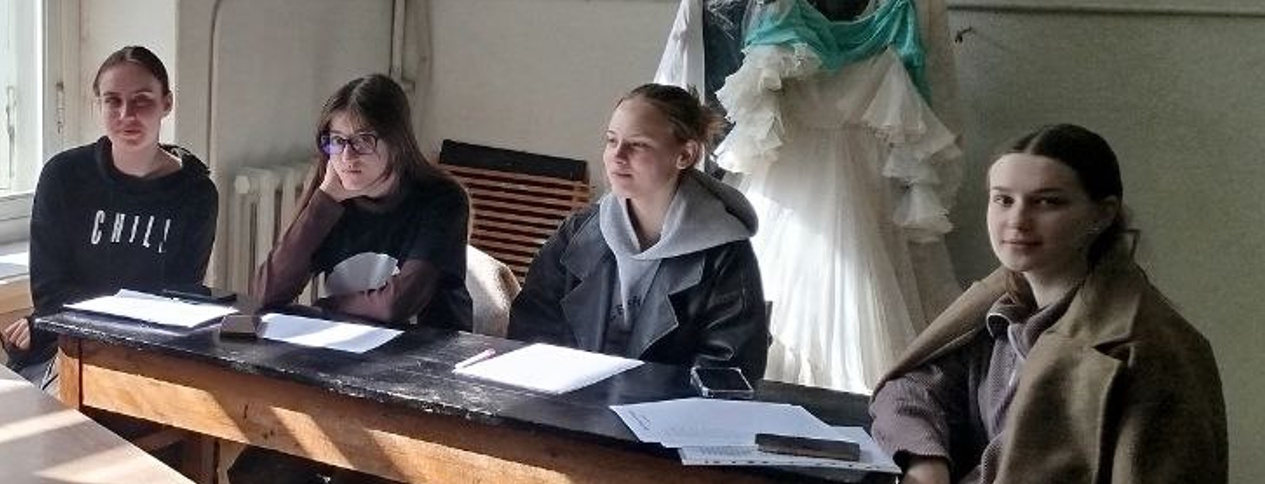
March became a period of concentrated analytical work and refinement of research materials for the student scientific circle of the Department of Performing Arts and Culture, "Scenic Dialogue." The meeting, held on March 4, was entirely dedicated to the practical stage of preparation for the upcoming International Scientific and Practical Conference. The main focus of the meeting was the transformation of creative ideas outlined in February into professional scientific theses, which required students to pay special attention to terminological precision and the substantiation of their own conclusions.
Under the professional guidance of the faculty administration and leading department instructors, the circle participants progressed from preliminary drafts to structured scientific texts. During the meeting, a detailed discussion of each work took place, with a particular emphasis on the alignment of the theses with international standards and their substantive value for the development of modern creative industries. Students learned not only to present facts but also to conduct deep analyses of the transformation of classical drama for modern smartphone screens and streaming services, as well as to research the evolution of musical-theatrical forms from classical opera to the musical.
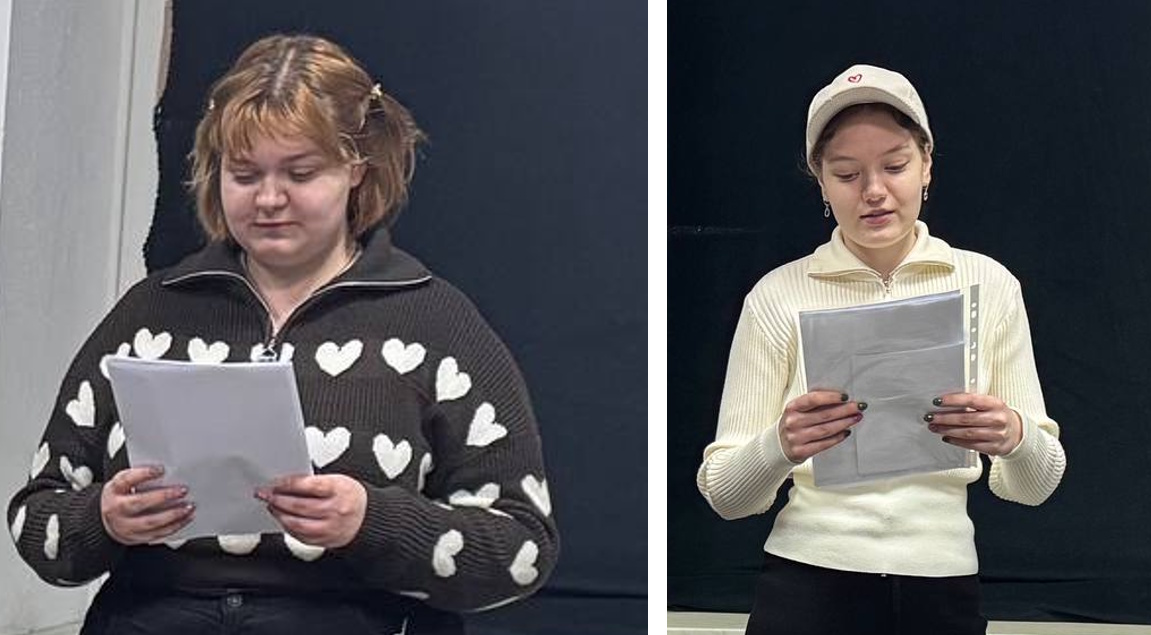
An important component of the March meeting was the refinement of the research methodological framework, which allowed the circle participants to clearly formulate the object and purpose of their work. Collaborative work between instructors and students facilitated the identification of promising scientific findings in the field of professional training, specifically the role of classical dance as a component of actor education and theatrical pedagogy as a powerful tool for personal transformation. Special attention was paid to contemporary socio-cultural phenomena: analyzing the activities of leading national theaters under wartime conditions, studying art in times of crisis as a means of rehabilitation, and the role of stage projects in forming national identity.
The moderators of the circle emphasized that working on theses is a vital element in forming the professional mindset of a future artist. The March meeting confirmed that combining practical stage experience with the scientific analysis of such phenomena as eco-performance, the commercial dominance of Broadway and West End models in the entertainment industry, or the influence of acting techniques on real life in creative industries, allows for the creation of unique research. This stage served as a logical continuation of the efforts initiated in February and provided a reliable basis for the final representation of results at the international level, where each student had the opportunity to prepare for professional dialogue with experienced experts.
Ahead of the "Scenic Dialogue" participants lies the most responsible moment—direct participation in the conference and the publication of their results in the proceedings. March concluded with a clear understanding that the scientific voice of our department’s young artists sounds professional, modern, and convincing.
27.03.2026