
ACTIVITIES OF THE ‘ELECTROCHEMISTRY AND ECOLOGY’ RESEARCH CLUB OF THE DEPARTMENT OF CHEMICAL TECHNOLOGIES AND RESOURCE SAVING IN THE SECOND SEMESTER OF THE 2025/2026 ACADEMIC YEAR
The society’s research activities focus on the development of innovative composite materials and specialised protective coatings for the effective shielding of electromagnetic radiation. Students have the opportunity to carry out the full development cycle — from theoretical justification to the creation of a working prototype. The practical component includes the laboratory synthesis of electrically conductive polymers, analysis of their microstructure, and experimental verification of signal absorption efficiency. Such materials can be used both in devices for protection against electromagnetic radiation and for the creation of chemical current sources.
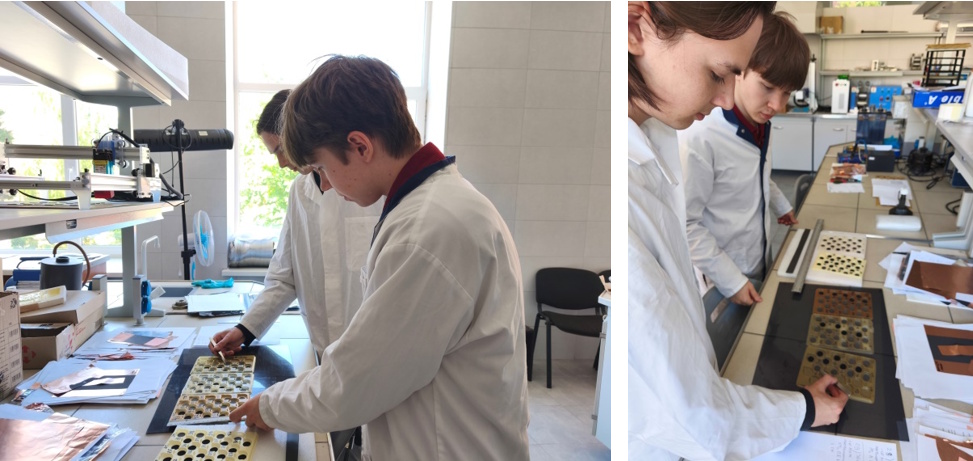
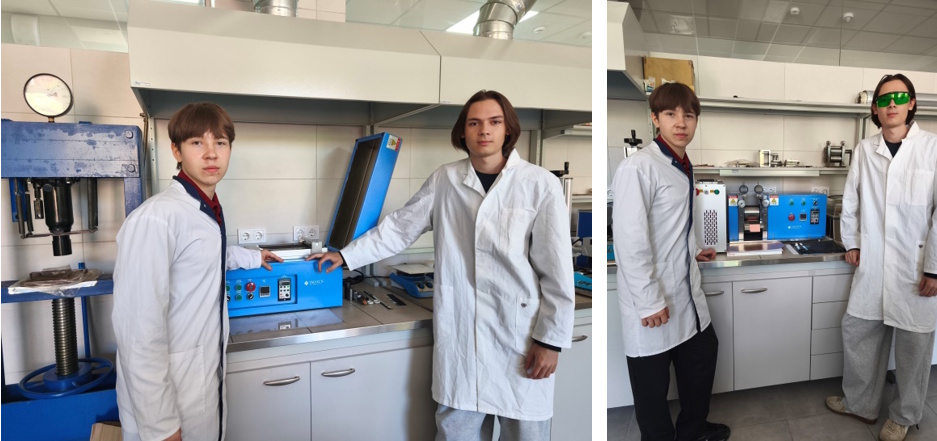
During the sessions of the ‘Electrochemistry and Ecology’ research club at the Department of Chemical Technologies and Resource Saving, students design the materials of the future. Club members are participating in the international project under the ‘Horizon Europe’ programme (101103752-GR4FITE3) entitled ‘Sustainable supply of graphite for lithium-ion battery anodes through the sustainable development of the European supply chain’, for which the club leader, Oksana Butenko, is the principal investigator. An article based on the results of this work has been published in a specialist journal.
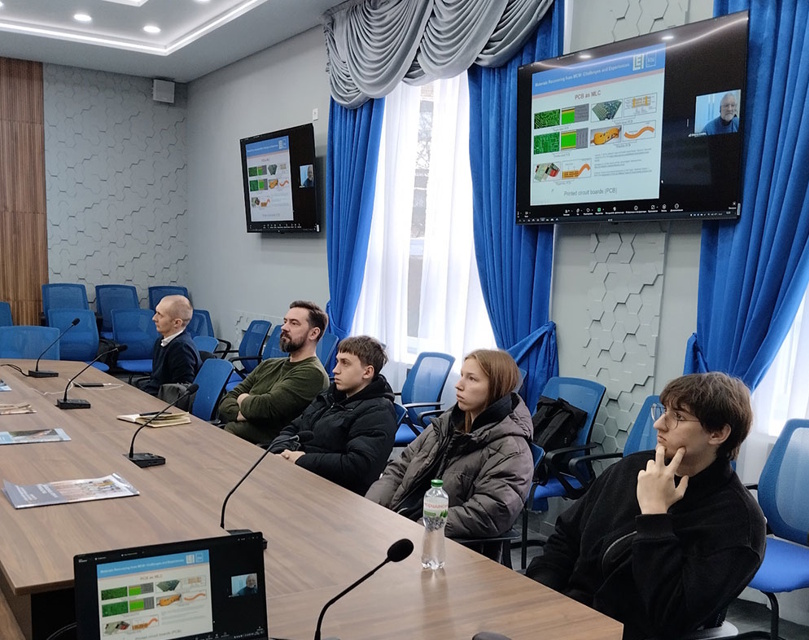
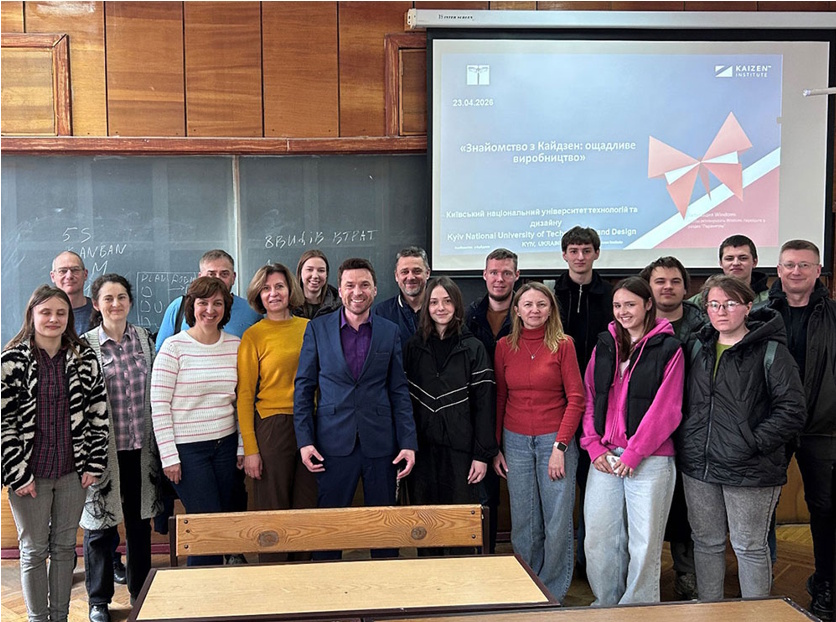
Club members regularly attend lectures on environmental topics, delivered by practising specialists and guest lecturers from abroad. In particular, club members attended an open lecture on ‘Challenges and experiences in the field of material recovery from multilayer composite waste’ by lecturer Gintaras Denafas, a professor at Kaunas University of Technology (Lithuania), and a lecture by industry expert Kostyantyn Glazkov, a business consultant at the international company ‘Kaizen Institute’, on the topic ‘Lean manufacturing: current challenges and practical solutions’.
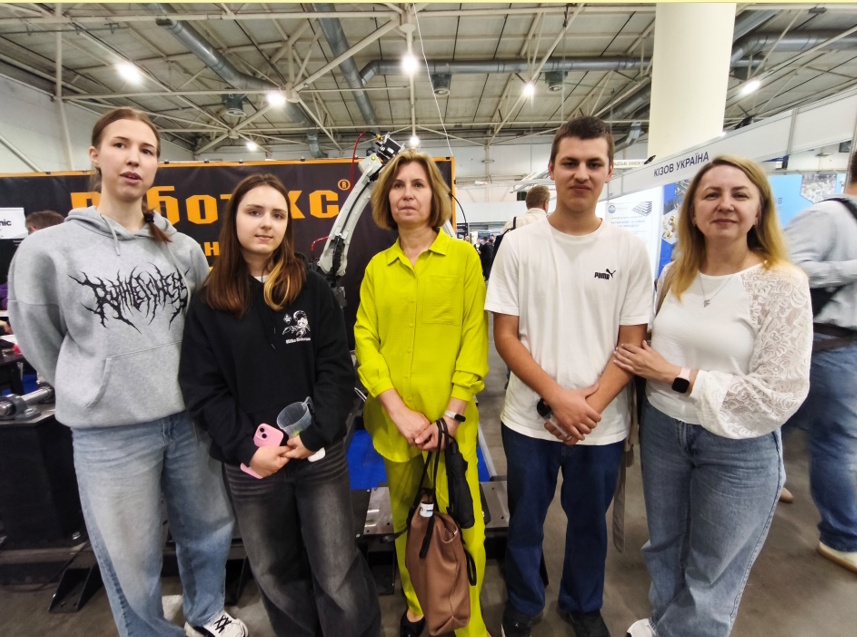
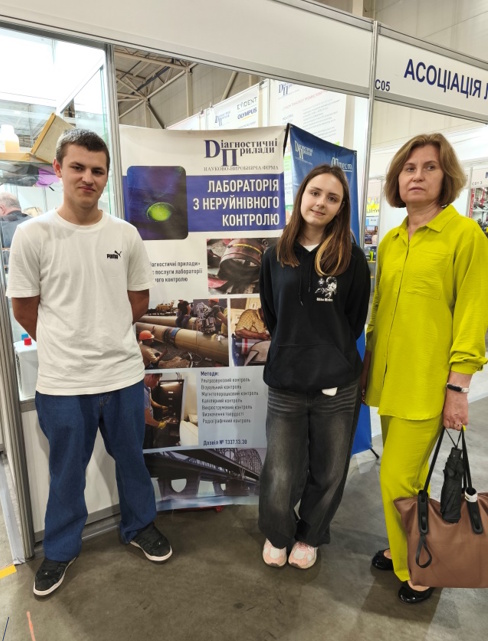
On 27 May 2026, members of the club, led by their academic supervisor, visited the international exhibitions PLAST EXPO UA '2026, ADDIT EXPO 3D '2026, and GREEN ENERTECH '2026 with the aim of studying best practice and innovative technologies in the field of chemical production. This enabled the students to see the practical application of modern scientific developments in industry and to draw inspiration for their own research.
Thus, the second semester of the 2025/2026 academic year proved to be a period of active professional development and integration into the scientific community for the ‘Electrochemistry and Ecology’ research group. Conducting fundamental laboratory research, attending open lectures and participating in specialist international exhibitions ensure a high standard of training for future specialists.
The experience gained not only broadens the scientific outlook of students at the Department of Chemical Technologies and Resource Saving, but also lays a solid foundation for the creation of environmentally friendly and high-tech materials of the future.
03.07.2026